The Story
Why it exists.
The beginning
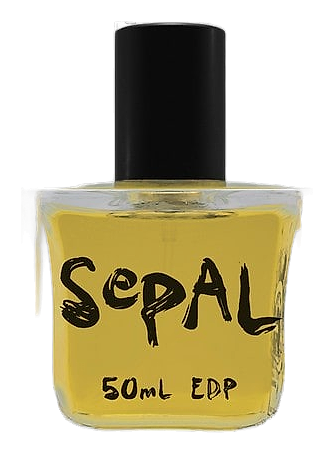
Sepal takes its name from the sepal, the green leaf-like casing that protects a flower bud before it opens. Corey Newcombe built this fragrance around that idea: something encased, waiting, then released. 2015 marked the brand's first public offerings, and Sepal arrived alongside Hearth as an early statement of intent. The inspiration points were explicit, Christopher Sheldrake's Fleurs d'Oranger and Francis Kurkdjian's Absolue Pour Le Soir, fragrances known for their enveloping, almost confrontational warmth. Newcombe wanted Sepal to feel like those: bold enough to demand a room's attention, warm enough to make people lean in closer.
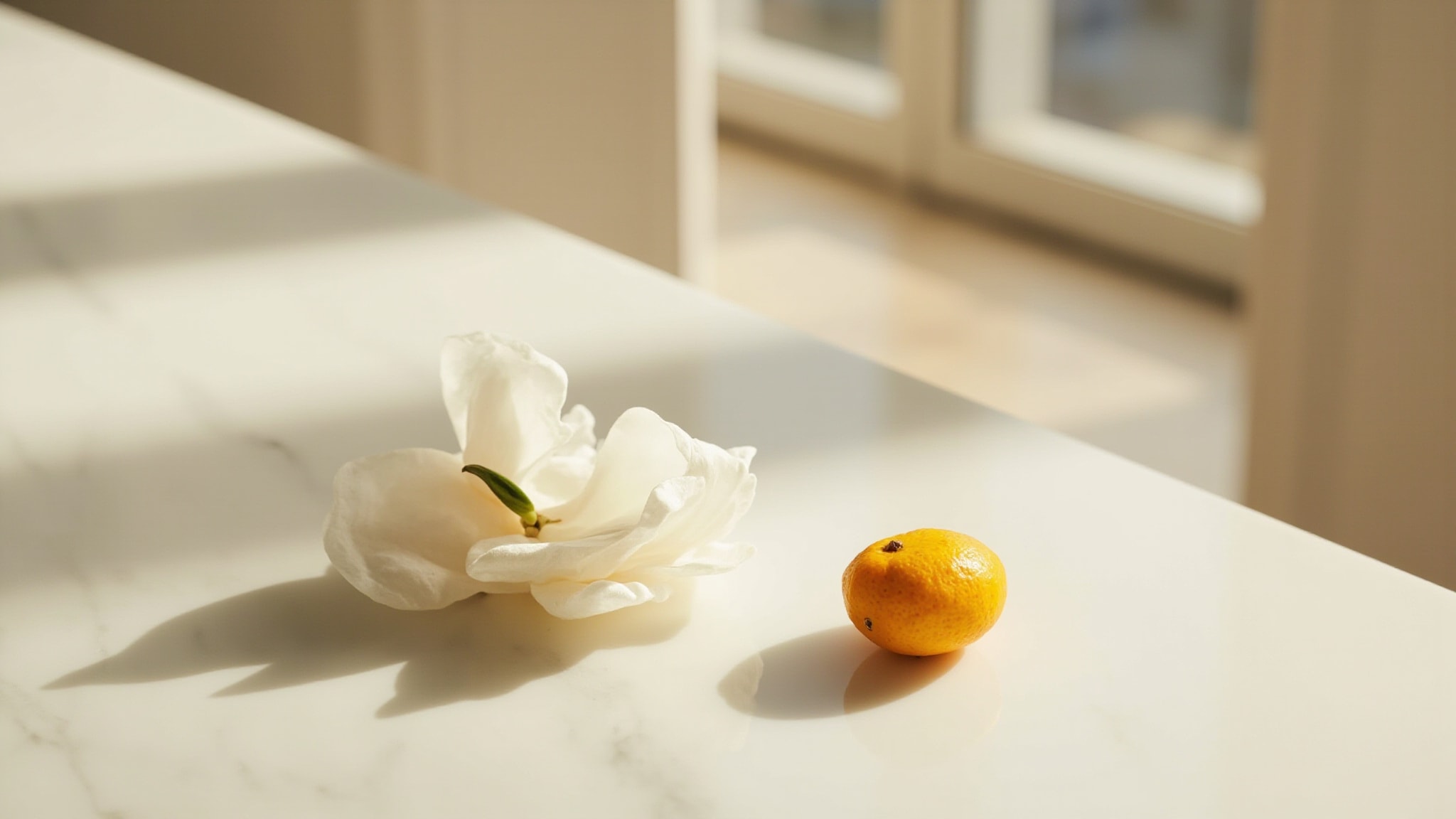
What makes Sepal unusual is its refusal to negotiate. The white florals, orange blossom, mimosa, magnolia, aren't presented as delicate or subtle. They're layered thick, with a powdery density that reads almost vintage. The clementine in the top notes keeps it from becoming heavy at the opening, a brief brightness before the flowers take over. But it's the ambergris and musk that give Sepal its actual character, an animalic warmth that sits under the powder like skin under cashmere. This is not a fragrance that asks permission to be noticed. It's a fragrance that already knows the answer will be yes.
The evolution
The opening arrives bright, orange blossom and clementine hitting together, a quick citrus flash before the flowers settle. That transition takes about ten minutes. Then mimosa and magnolia move in, and the character shifts from bright to warm, powdery, almost old-fashioned. The heart dominates for two to three hours. Then the hand-off: musk and ambergris arrive quietly, grounding everything. The drydown isn't sweet, it's warm skin, salt, and that faint animalic edge that ambergris carries. What lingers on fabric the next morning is musk and the ghost of flowers. On skin, Sepal performs for four to six hours depending on your chemistry. Moderate sillage, present in the room, not filling it.
Cultural impact
Sepal arrived in 2015 as part of Criminal Elements' debut alongside Hearth, establishing the house's preference for clean, elemental compositions. The fragrance occupies an interesting position: it's explicitly nostalgic, inspired by the powdery powerhouse frags of earlier decades, while using modern musks that keep it from feeling dated. In the context of Australian indie perfumery, it's been a quiet reference point for how to do bold white florals without reaching for the usual suspects.