    Brand Profile

    Criminal Elements is an Australian indie perfume house that crafts small‑batch scents from a modest studio in South Australia. Founded by pe…More

    Australia·Site

    4.0

    Rating

    21
    Masquerade by Criminal Elements
    4.0

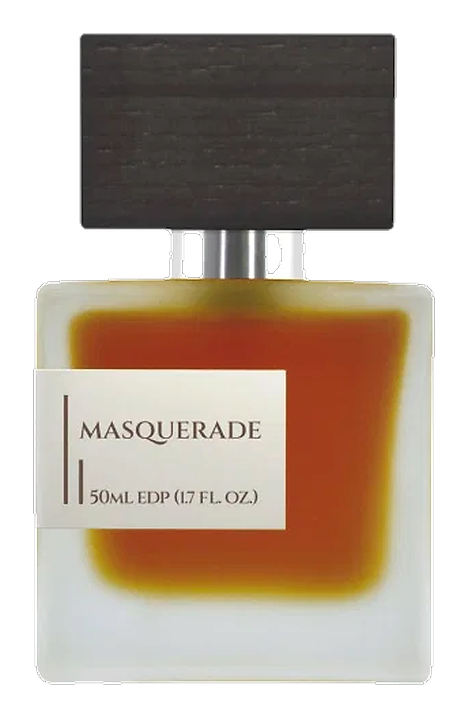
    Masquerade

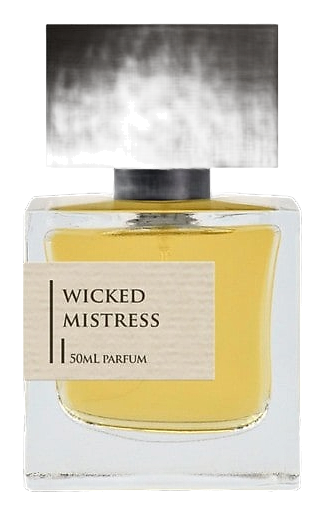
    Wicked Mistress by Criminal Elements
    Best Seller
    4.6

    Wicked Mistress

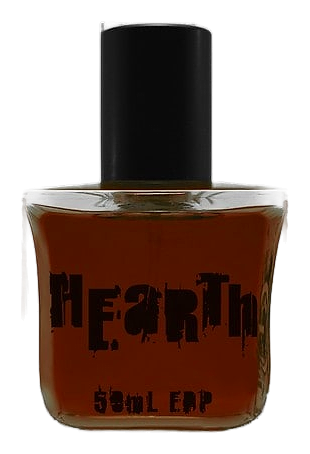
    Hearth by Criminal Elements
    Best Seller
    4.3

    Hearth

    Vigour by Criminal Elements
    Best Seller
    4.2

    Vigour

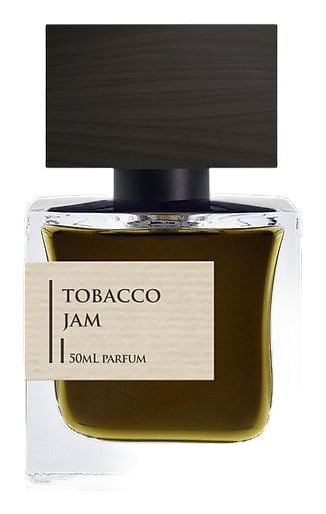
    Tobacco Jam by Criminal Elements
    4.1

    Tobacco Jam

    Verge by Criminal Elements
    4.0

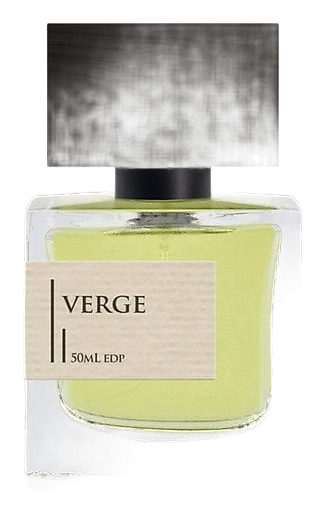
    Verge

    Neon by Criminal Elements
    4.0

    Neon

    Ruben by Criminal Elements
    4.0

    Ruben

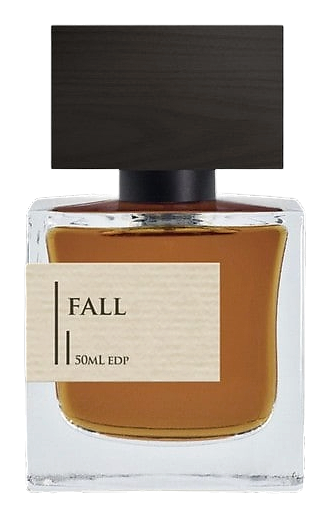
    Fall by Criminal Elements
    4.0

    Fall

    Sepal by Criminal Elements
    4.0

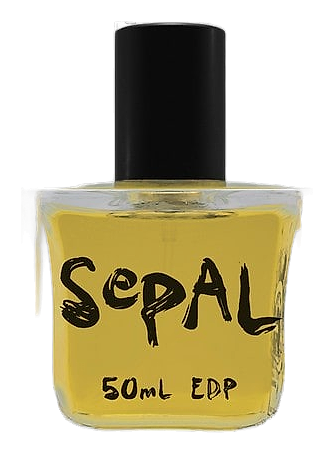
    Sepal

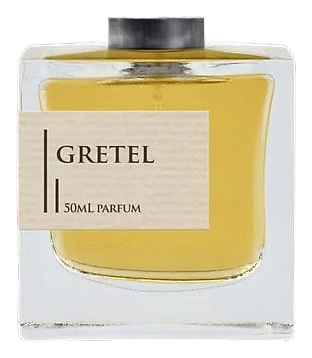
    Gretel by Criminal Elements
    4.0

    Gretel

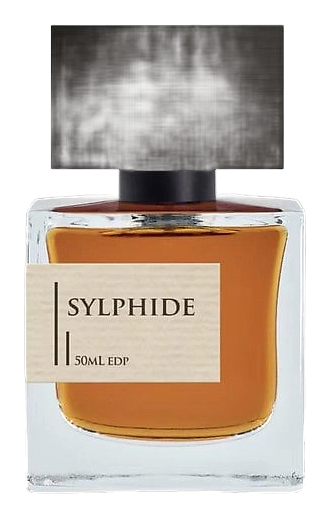
    Sylphide by Criminal Elements
    4.0

    Sylphide

    1 of 2

    The Heritage

    The Story of Criminal Elements

    Criminal Elements is an Australian indie perfume house that crafts small‑batch scents from a modest studio in South Australia. Founded by perfumer Corey Newcombe, the brand blends unconventional raw materials with a laboratory‑like precision, delivering fragrances that feel more like experiments than marketing slogans. Their catalogue ranges from the smoky jam of Tobacco Jam (2016) to the bright, neon‑hued Neon (2020), each bottle promising a distinct olfactory story.

    Heritage

    Corey Newcombe launched Criminal Elements after years of experimenting with home‑grown blends and a growing collection of vintage perfume bottles – a hobby he jokingly described as “collecting enough doors”. The name emerged as a tongue‑in‑cheek jab at the skeptical locals who questioned his unconventional path. In 2015 the brand released its first public offerings, Hearth and Sepal, establishing a reputation for clean, elemental compositions. The following year, Tobacco Jam arrived, pairing a dry tobacco base with a jammy heart, a combination that quickly became a reference point for the house’s willingness to juxtapose disparate notes. 2019 marked a prolific period: Vigour, a herbaceous, vetiver‑centered scent, and the duo Ruben and Fall expanded the line into both masculine and autumnal territories. Neon (2020) introduced a brighter, more synthetic‑leaning palette while still respecting the brand’s minimalist ethos. Verge (2022) and Wicked Mistress (2023) continued the narrative, each exploring new thematic concepts without abandoning the laboratory‑inspired approach that defines the house. Throughout its evolution, Criminal Elements has remained a solo‑run operation, avoiding large‑scale distribution in favor of direct‑to‑consumer sales via its website and a modest social‑media presence. The brand’s growth has been steady, driven by word‑of‑mouth among niche‑fragrance enthusiasts rather than aggressive advertising, allowing it to retain an intimate, experimental spirit that reflects its founder’s original vision.

    Craftsmanship

    Every Criminal Elements fragrance begins with a handwritten sketch that lists the target note hierarchy and the emotional tone the creator wishes to capture. Corey then selects raw materials – often natural absolutes, essential oils, and a curated selection of synthetics that serve a functional purpose, such as stabilising volatile top notes. The blending takes place in a modest, climate‑controlled studio in South Australia, where temperature and humidity are monitored to ensure consistency across batches. Because production runs are intentionally limited, each batch is hand‑filled into glass bottles, a step that allows the perfumer to check for any visual imperfections before sealing. Quality control includes a short resting period, during which the perfume is stored in dark, temperature‑stable conditions to allow the components to marry fully. After this maturation, the scent is evaluated by the founder and, on occasion, by a small circle of trusted peers who provide feedback on balance and longevity. Ingredients are sourced from both local Australian farms – for example, native sandalwood and eucalyptus – and reputable international suppliers for specialty synthetics. The brand avoids mass‑production additives, opting instead for simple alcohol bases that let the core composition shine. This hands‑on approach ensures that each bottle reflects the original laboratory intent, offering a consistent experience despite the small‑batch nature of the operation.

    Design Language

    Criminal Elements presents its fragrances in stark, utilitarian bottles that echo laboratory glassware more than traditional perfume flacons. The containers are clear, cylindrical, and capped with matte black metal lids, reinforcing the brand’s chemistry motif. Labels are minimalist, featuring a simple sans‑serif typeface and a small emblem that resembles a stylised molecular structure, hinting at the scientific inspiration behind each scent. The colour palette across the line is subdued – muted greys, deep blacks, and occasional accent hues that correspond to the fragrance’s character, such as a soft amber for Hearth or a vivid teal for Neon. Packaging is deliberately unembellished; there are no ornate ribbons or gold foiling, allowing the focus to remain on the scent itself. Marketing imagery follows the same clean line, often showing the bottles against concrete or metal backdrops, with soft lighting that highlights the glass’s clarity. This visual restraint mirrors the brand’s philosophy of letting the perfume speak for itself, while still offering a cohesive, recognizable identity that appeals to collectors who appreciate design that feels both modern and industrial.

    Philosophy

    The house treats perfume as a laboratory experiment rather than a commercial product. Corey Newcombe often says the studio is a place where art meets chemistry, and that credo shapes every decision. Ingredients are chosen for their intrinsic character, not for trend compliance, and each formula is built around a single, striking idea. The brand values transparency, so scent descriptions avoid vague superlatives and instead reference concrete notes – a dry tobacco base, a jammy heart, a clean vetiver core. Sustainability plays a quiet role; sourcing favors local Australian suppliers when possible, and the small‑batch model reduces waste by producing only what is ordered. Rather than chasing awards, Criminal Elements focuses on creating scents that invite curiosity and personal interpretation. The philosophy encourages wearers to view fragrance as a personal laboratory, a way to test how different notes interact with their own chemistry over time.

    Key Milestones

    2015

    Launch of the first public fragrances, Hearth and Sepal, establishing the brand’s elemental approach.

    2016

    Release of Tobacco Jam, a dry tobacco base with a jammy heart, gaining attention for its bold contrast.

    2019

    Three new scents debut – Vigour (herbal vetiver), Ruben, and Fall – expanding the house’s range into both masculine and autumnal themes.

    2020

    Neon arrives, introducing brighter, synthetic‑leaning notes while maintaining the brand’s laboratory aesthetic.

    2022

    Verge is released, exploring new thematic concepts within the small‑batch framework.

    2023

    Wicked Mistress debuts, marking the latest evolution of the Rare Elements line.

    At a Glance

    Brand profile snapshot

    Origin

    Australia

    Collection

    1

    Fragrances released

    Avg Rating

    4.0

    Community sentiment

    Release Rhythm

    2024
    2
    2023
    1
    2022
    1
    2021
    1
    2020
    1
    2019
    6
    2016
    3
    2015
    5
    criminalelements.net

    Did You Know?

    Interesting Facts

    Distinctive details and defining moments that shape the house personality.

    01

    The brand’s name, Criminal Elements, is a tongue‑in‑cheek reference to local skeptics who called Newcombe’s experimental approach “criminal”.

    02

    All fragrances are hand‑filled in a South Australian studio that doubles as a functional chemistry lab.

    03

    Criminal Elements sources native Australian botanicals such as sandalwood and eucalyptus for several of its compositions.

    04

    The Rare Elements line, which includes Wicked Mistress and Gretel, focuses on limited‑edition releases that experiment with unconventional note pairings.

    The Artisans

    The Perfumers