
The Story
Why it exists.
The beginning
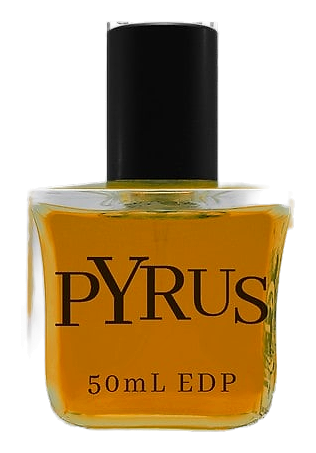
Pyrus was Corey Newcombe's second release in 2015, born from what he calls a brief romance with Josh Lobb's Pear and Olive from Slumberhouse. That simple combination set him chasing a pear accord he'd been tinkering with at his studio in Adelaide, following it somewhere unexpected: a joyful seaside rather than a kitchen. The Latin name, Pyrus, came later. Clean, botanical, almost scientific. Named for the pear the way a chemist might name a compound. Newcombe built the formula around a single bright idea. White woods and apple blossom for the shore-day fantasy, musk to root it in skin, and then the curveballs: lavender and a trace of cinnamon for warmth, anise and a medicinal oud accord to cut the sweetness. It took twenty-two versions before he called it done. The kind of obsessive iteration that defines a house built more like a workshop than a brand.
The unusual move here is the juxtaposition. Pyrus pairs the fruit with salt and lavender, two materials that have no business being in the same sentence. The result reads marine and aromatic simultaneously, smelling like a woody aquatic that captures something of a coastline. The lavender isn't decorative. It grounds the pear's brightness and gives the composition its herbal spine, pushing the fruit away from anything candied or sweet.
The evolution
The first thirty minutes are almost disorienting. Lavender arrives first, sharper and more herbal than expected, followed quickly by apple and pear that read almost candied before the salt pulls them back to reality. There's a moment, around the forty-minute mark, where the composition seems to belong to two different fragrances at once. The marine driftwood note rises underneath the fruit, creating a dry, almost breezy texture that softens everything. The lavender keeps its aromatic edge through this opening phase, refusing to flatten into a generic herbal wash, and the salt keeps pulsing underneath, giving the fruit a sheen that prevents it from ever tipping into syrup. By hour two, the pear has mellowed into something rounder, losing the candied quality it carried at the start.
Cultural impact
Pyrus occupies a specific place in the broader indie fragrance conversation because of how it handles its central materials. It pushes a single natural concept, here, pear and a sense of coast, through unconventional combinations to create something that doesn't fit neatly into any category. The composition's marine-aromatic character, the pairing of fruit with salt and lavender, has made it a reference point for what an unconventional indie fruit fragrance can be.
The House
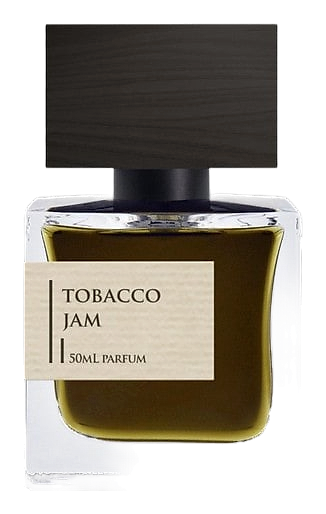
Criminal ElementsCriminal Elements is an Australian indie perfume house that crafts small‑batch scents from a modest studio in South Australia. Founded by perfumer Corey Newcombe, the brand blends unconventional raw materials with a laboratory‑like precision, delivering fragrances that feel more like experiments than marketing slogans. Their catalogue ranges from the smoky jam of Tobacco Jam (2016) to the bright, neon‑hued Neon (2020), each bottle promising a distinct olfactory story.
The Creator
Corey NewcombeCorey favors a high‑contrast palette: bright metallics, sharp aldehydes, and dense, resinous woods. He often begins with a synthetic anchor—copper, zinc, or a metallic ion—and builds outward with natural notes like smoked pine, dried herbs, or fermented fruit.