The Story
Why it exists.
The beginning
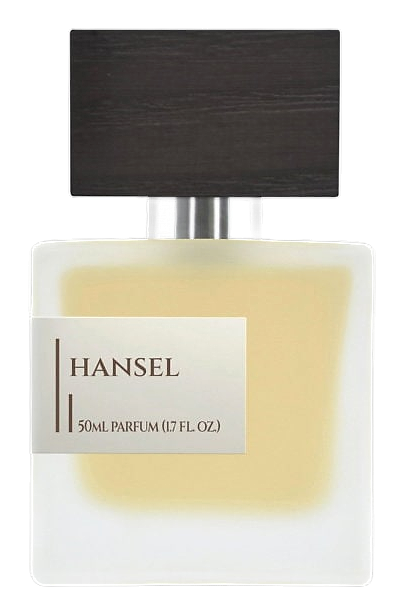
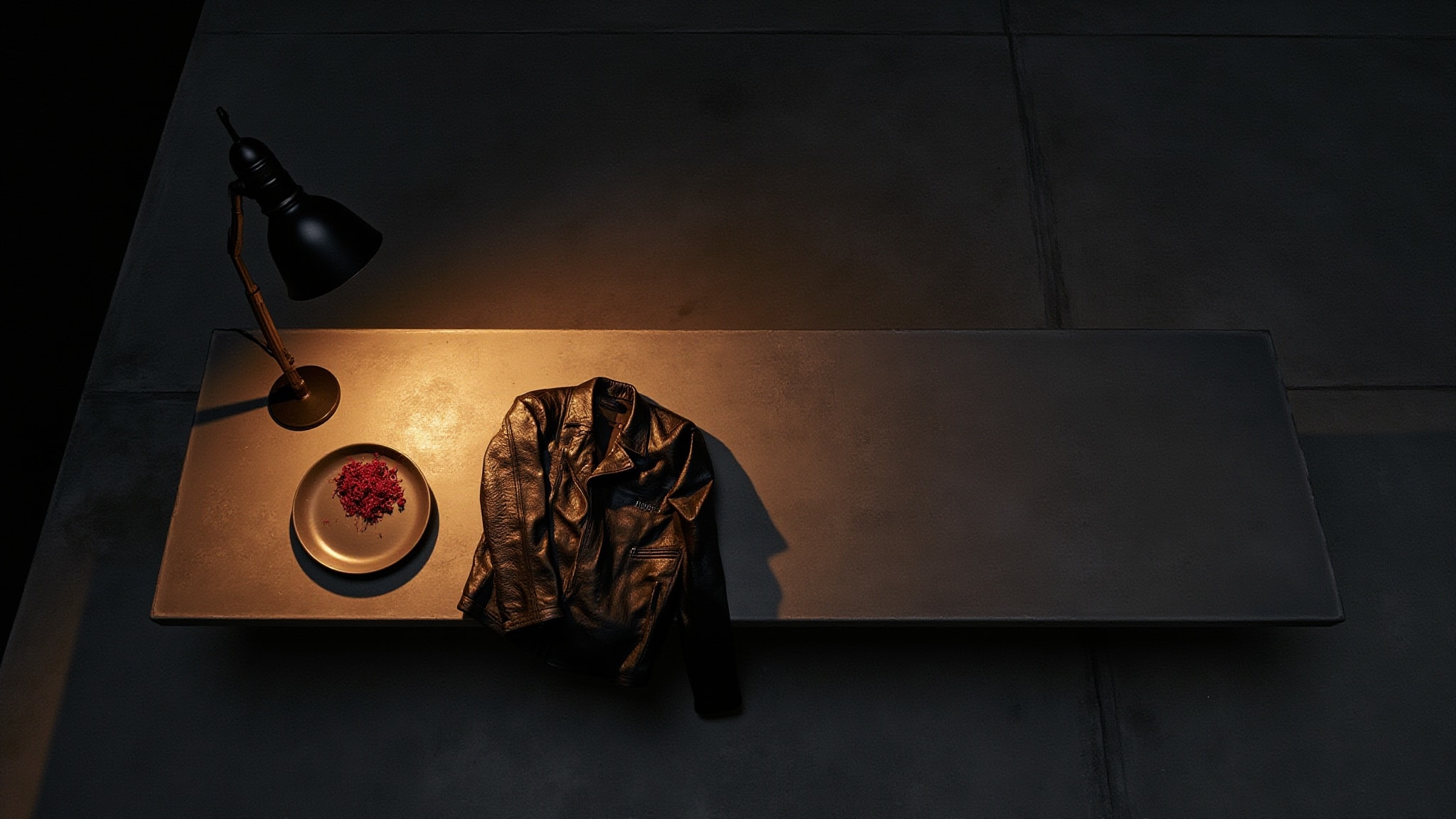
Hansel arrived in 2024 from Corey Newcombe's modest studio in South Australia. It reads as a leather composition, but the framing is more architectural than rustic, structured with a clarity that suggests every note has been placed on purpose. There's a tightness to the opening, a sharpness that feels deliberate, almost like something pulled taut. The saffron cuts first, dry and faintly metallic, then the leather steps in early, treated, stiff, carrying the memory of saddle and smoke rather than anything soft or lived-in. Underneath it all, oud hums in the dark, low and unobtrusive. The whole thing is precise, dry, and spare in a way that lets the materials speak for themselves. It doesn't decorate, it builds, and the result holds its shape from the first spray to the drydown.
What's interesting here is the restraint. A leather-oud-saffron combination could easily slide into syrupy territory, especially with ambergris anchoring the base. Newcombe keeps the saffron metallic rather than sweet, lets the leather stay dry instead of suede-soft, and treats the oud as a shadow rather than a statement. The result is a composition that smells more like a workshop than a boudoir, more like chemistry on the page than marketing copy.
The evolution
The first 15 minutes are the brightest the fragrance gets. Saffron leads, sharp and almost metallic, with a thread of spice that reads more like black pepper warmth than cinnamon sweetness. Leather arrives early, not as a soft suede but as something tighter, treated, almost like a belt or a saddle. The oud sits underneath as a dark hum, never announcing itself. By the second hour, the saffron has burned off and the leather takes over, warmer now, slightly smoky. Ambergris surfaces in the base as a clean saltiness that keeps the whole composition from collapsing into heaviness. At hour four, you're left with dry leather and that quiet mineral ambergris, close to skin. It doesn't morph dramatically, just tightens. The leather softens as the hours pass, losing its initial stiffness and settling into something warmer, almost lived-in, like material that's finally relaxed.
Cultural impact
Hansel sits in an interesting pocket for Australian indie perfumery. It wears comfortably in cooler weather, on leather and wool, and tends to draw attention from people who notice restraint and structure more than they notice sweetness. Several reviewers have mentioned reaching for it specifically when riding, noting that the dry, smoky character holds up well against wind and open air without losing its shape. It's been picked up by fragrance communities that track independent Australian releases, and the conversation around it tends to focus on its tight construction and the way it wears close to skin rather than projecting loudly.