The Story
Why it exists.
The beginning
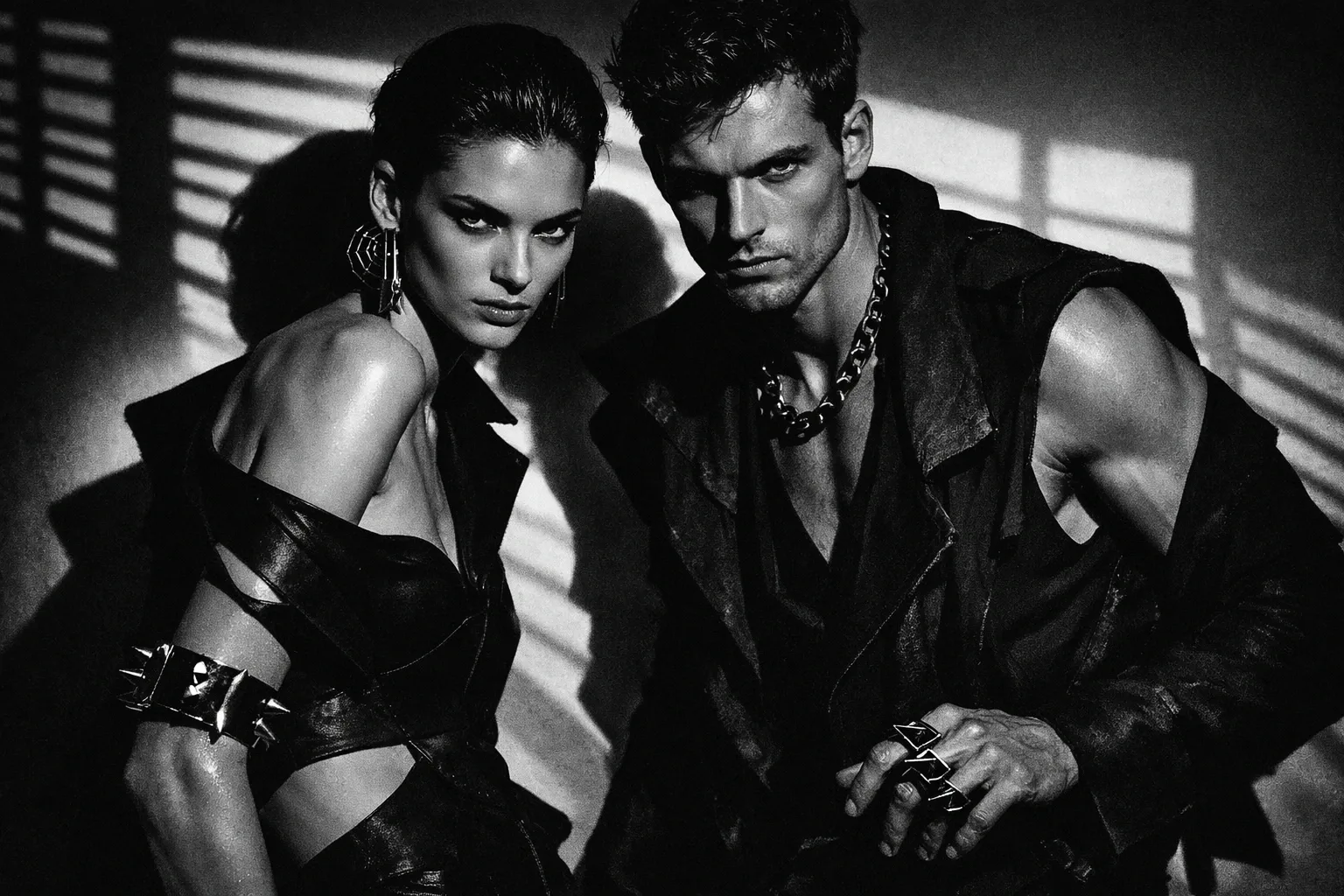
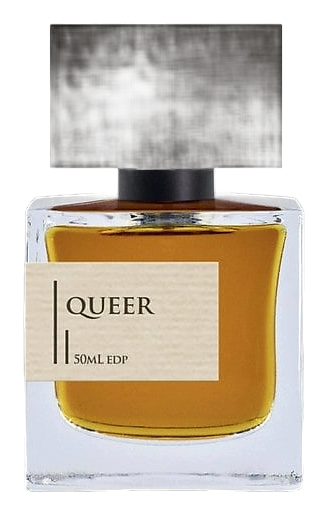
Queer arrived in 2016 from the modest South Australian studio of Corey Newcombe, and the name came with intent. Newcombe has described it as an of-the-wall play on the French word for leather, cuir, pronounced the same way. It was born during a wave of gender awareness sweeping Australia, a bold, jarring commentary on queer identity and the BDSM stereotype that clings to it. The idea was simple and confrontational: take the leather trope, make it just a little fruity, and let the contrasting interplay of synthetic and natural do the rest. The result was, by Newcombe's own admission, one of the most challenging and least liked fragrances in the Criminal Elements catalogue. Which is exactly why he went back to the drawing board years later and rebuilt it from the ground up, softening the leather accord with precious woods, tobacco, and amber, and sweetening the fruit with jasmine and apple. Same major notes. Different emphasis.
The interesting move here is structural. Newcombe anchored the leather to osmanthus, a flower that carries its own fruity, apricot-leaning leather quality naturally, and let that connection carry the accord all the way down into the base. That kind of threading between heart and base notes creates a sense of continuity that holds the composition together as a single thought rather than a series of announcements. Here, the leather operates as a thread running through the composition, softened by what surrounds it.
The evolution
On skin, Queer opens loud. The blackcurrant and dragon fruit arrive together, sharp and slightly exotic, cutting through the first few minutes with a candied intensity that feels almost playful. Plum softens the edges early on, and the osmanthus starts threading underneath, giving the fruit a creamy, almost suede-like undertone. As the composition settles, the leather accord comes into focus. This is where the fragrance reveals its true weight. The fruit recedes but doesn't vanish entirely; it leaves a residual sweetness that makes the leather smell less like a jacket and more like skin, warm and lived-in. The musk builds gradually underneath, giving the drydown an animalic warmth that sits close to the body. Eventually the composition transforms completely. The opening's tropical brightness becomes a memory.
Cultural impact
Queer's original 2016 release generated enough conversation that Newcombe felt compelled to revisit and rebuild it years later. The redesign, softer and more wearable while retaining its confrontational name, reflects Newcombe's willingness to rework a fragrance that clearly mattered to him. The original formulation and its successor each represent a different approach to the same provocation, with the later version demonstrating how a polarizing concept can be refined without losing its edge.
The House
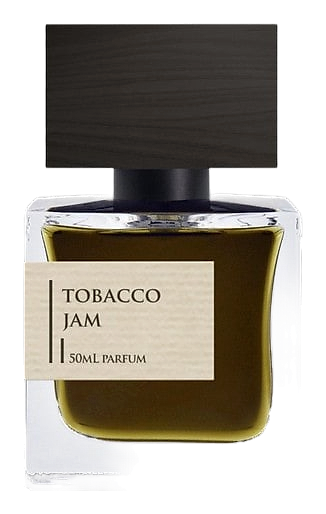
Criminal ElementsCriminal Elements is an Australian indie perfume house that crafts small‑batch scents from a modest studio in South Australia. Founded by perfumer Corey Newcombe, the brand blends unconventional raw materials with a laboratory‑like precision, delivering fragrances that feel more like experiments than marketing slogans. Their catalogue ranges from the smoky jam of Tobacco Jam (2016) to the bright, neon‑hued Neon (2020), each bottle promising a distinct olfactory story.
The Creator
Corey NewcombeCorey favors a high‑contrast palette: bright metallics, sharp aldehydes, and dense, resinous woods. He often begins with a synthetic anchor—copper, zinc, or a metallic ion—and builds outward with natural notes like smoked pine, dried herbs, or fermented fruit.