The Story
Why it exists.
The beginning
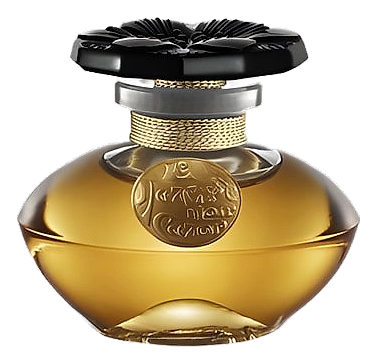
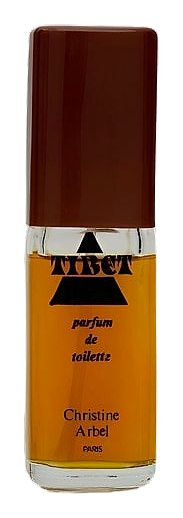
Tibet Parfum de Toilette was launched by Christine Arbel in 1978. The composition pairs Mandarin Orange and Bergamot with Pine, then develops through a floral heart of Lily of the Valley, Jasmine, Rose, White Carnation, Orris Root, and Geranium. Its structure moves from citrus and aromatic freshness into a polished base of Sandalwood, Vanilla, Musk, and Oak. No specific perfumer is identified in the available research, so the notes themselves tell the story. Mandarin Orange and Bergamot lend the opening a bright citrus character, while Pine adds a crisp aromatic quality. Lily of the Valley and Jasmine contribute a light floral presence, balanced by the deeper tones of Rose and White Carnation. Orris Root brings a soft powdery accent, and Geranium adds a restrained herbal character.
The unusual interest lies in the balance between brightness and restraint. Citrus gives the opening an easy lift, while Pine contributes a fresh, aromatic layer. The heart brings powdery and romantic texture through Orris Root, Rose, Jasmine, Lily of the Valley, White Carnation, and Geranium. Together, these florals create a layered center, moving between delicate, romantic, powdery, and herbal notes. Sandalwood and Oak lend a woody spine to the composition, while Vanilla and Musk add rounded softness to the base.
The evolution
Tibet begins with a clean, sparkling impression where Mandarin Orange and Bergamot meet the green snap of Pine. That brightness softens into a layered floral center, where Lily of the Valley and Jasmine bring air, Rose and White Carnation add romance, and Orris Root leaves a powdery trace. Geranium gives the heart a more herbal edge, creating a counterpoint to the floral notes and adding definition to the composition. As the scent settles, Sandalwood and Oak establish a steady woody base, while Vanilla and Musk round it into a warm floral woody musk. The progression moves from bright citrus and aromatic freshness into a richer floral center, then toward a softer, warmer foundation. Its character is defined by the changing interaction of crisp opening notes, layered blossoms, powdery and herbal accents, and a composed woody finish.
Cultural impact
Tibet was launched by Christine Arbel in 1978. Its composition begins with Mandarin Orange, Bergamot, and Pine before opening into Lily of the Valley, Jasmine, Rose, White Carnation, Orris Root, and Geranium. Sandalwood, Vanilla, Musk, and Oak form the base. The fragrance is notable for the range it brings together: citrus brightness, green aromatic notes, layered florals, powdery and herbal accents, and warm woods. Its appeal rests in the way these different note families develop from the opening through the heart and into the base.