The Story
Why it exists.
The beginning
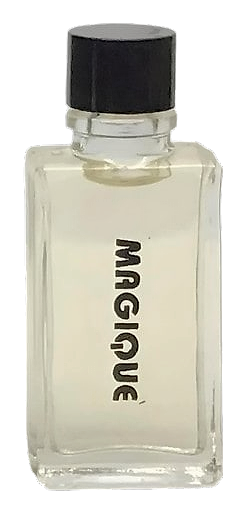
Magique arrived in 1987 as a floral aldehyde fragrance for women, when Christine Arbel already carried a distinctly French sensibility into accessible perfumery. Its composition starts with a cool, green opening and citrus brightness, then turns toward a polished floral heart. The name suggests a little mystery, but the scent itself is less concealed than that. It lays out its character clearly: bright at first, powdery in the middle, and softly grounded by wood and musk. Nothing here needs to shout for attention. Magique is built around contrast, moving from fresh air to close, finished skin.
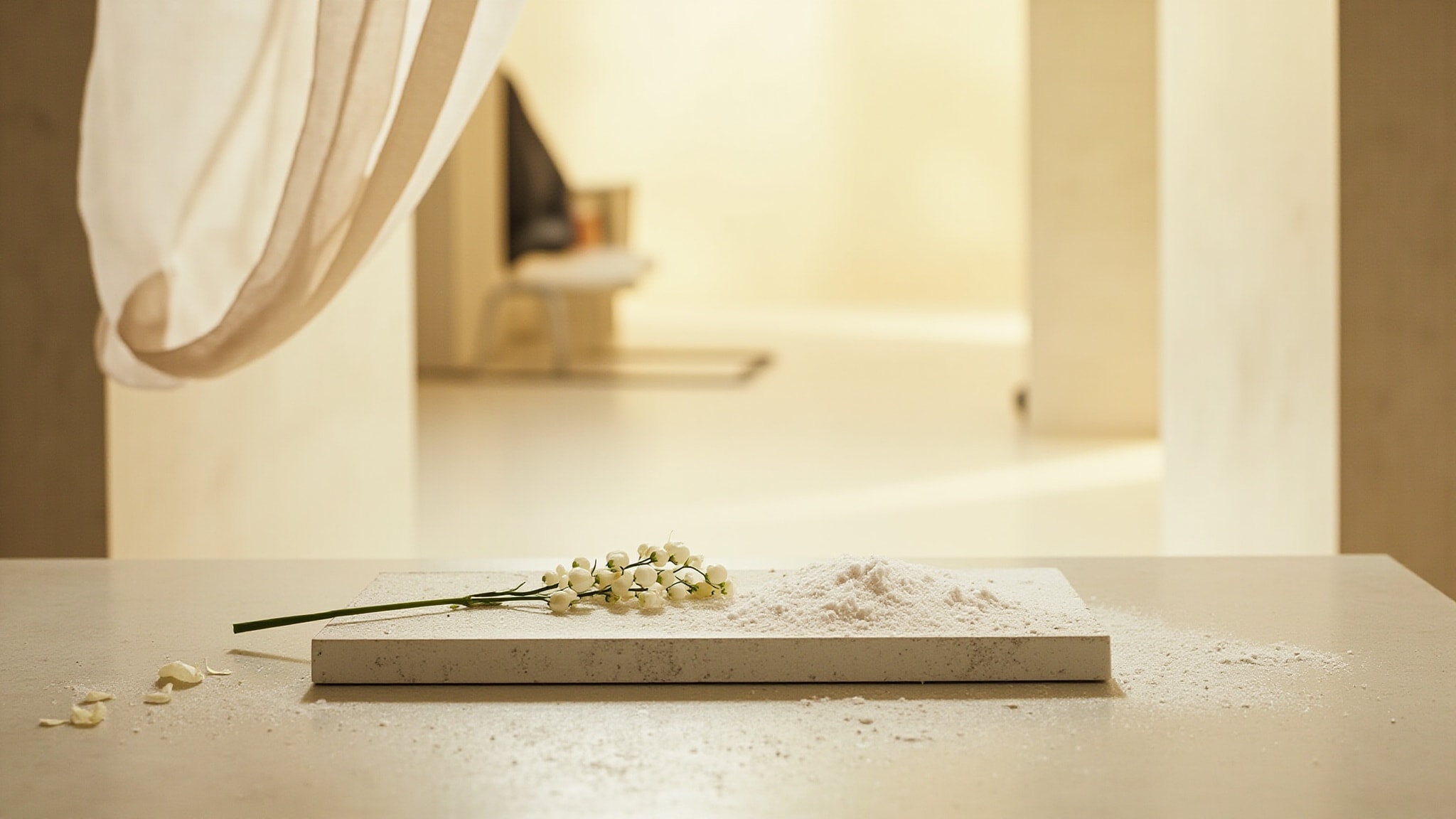
The unusual part is how neatly its textures connect. Green notes, aldehydes, bergamot, galbanum, and lemon create a crisp, almost airy opening. Lily of the valley and powdery notes bring a cool talc-like softness into the center, while jasmine, freesia, and rose keep the florals bright rather than dense. Sandalwood, vanilla, cedar, and musk then give the composition a calm wooden floor. It’s a familiar powdery floral language, but the green-citrus opening keeps it from feeling too predictable.
The evolution
The first impression is clean and lifted, with green notes sharpened by bergamot, galbanum, lemon, and the lifted sheen of aldehydes. That brightness soon hands the fragrance to lily of the valley and powdery notes, which soften the edges without removing the floral clarity. Jasmine, freesia, and rose make the middle feel polished and airy. As the scent settles, the powder gives way to sandalwood, cedar, vanilla, and musk. Those base notes leave a quieter trail, warm and woody but still lightly floral. Magique develops moderate projection and a loyal following among wearers who appreciate its classic floral-aldehyde character.
Cultural impact
Magique sits within Christine Arbel’s tradition of considered, accessible French fragrance: polished rather than loud, floral but not one-dimensional. Its appeal is strongest for wearers who enjoy a clear green-citrus opening followed by powdery florals and a close, woody finish. The name and composition suggest a classic 1980s floral aldehyde register, though its appeal is less about nostalgia than the polished contrast it delivers.