
The Story
Why it exists.
The beginning
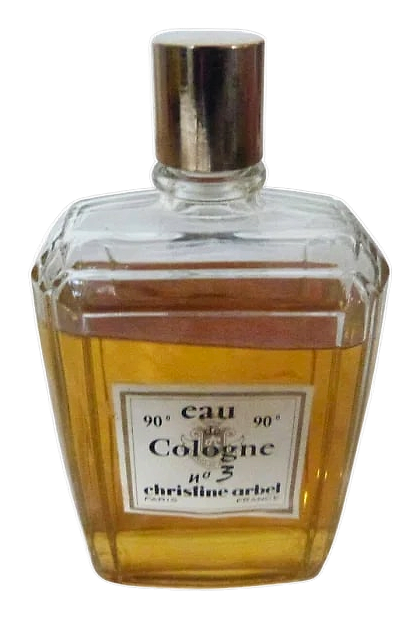
N° 3 (Eau de Cologne) launched in 1975, carrying a numbered title that reads as plain catalog work rather than marketing flourish. The simplicity of the naming, just a digit and a concentration type, says something about priorities: the bottle points you toward the juice inside rather than selling you on the wrapper. Cologne as a format carried its own logic in this period, built around lighter concentrations designed to sit close to the skin rather than fill a room. You wore it on top of soap and clean cotton, and it became part of the ritual of getting dressed rather than an announcement made across a dinner table. Production on this particular concentration was apparently discontinued, which shifts the math entirely.
The heart is built around carnation, iris, jasmine, sandalwood, and vetiver. Carnation as the lead voice is a choice with teeth. The note reads spicy, clove-adjacent, almost peppery, with an edge that keeps it from tipping into the confectionery territory dianthuses sometimes drift toward. Iris grounds it with its powdery, rooty weight, a material that gives florals their gravity without weighing them down. Jasmine adds lift without sweetness, threading brightness through the composition without ever announcing itself.
The evolution
The opening hits with carnation immediately, spiced and slightly sharp, almost clove-like. The iris takes its time surfacing, softening the spice into something powdery and grounded as the composition settles. By the end of the first stretch of wear, the jasmine has blended in almost invisibly, doing its work in the background while the carnation-iris axis holds firm. The shift into drydown comes gradually, where sandalwood and vetiver rise as the spices begin to recede. The carnation fades slowly but never fully disappears. What remains in the later hours is a close-to-skin blend of iris, vetiver, and a ghost of carnation warmth, the composition drawing itself inward rather than expanding outward. On fabric, the fragrance tends to linger, holding onto textiles in a way skin alone does not.
Cultural impact
N° 3 holds its character as a carnation-led cologne from 1975, a composition that favors texture and nuance over louder projection. The carnation-driven heart places it in conversation with traditional floral work, the kind that assumes the wearer already knows what good perfume smells like. As a discontinued cologne concentration, it carries the particular weight of scarcity, though the fragrance itself remains grounded in wearability rather than spectacle. Surviving bottles shift the question away from whether to buy and toward how you came across one in the first place.