White Carnation
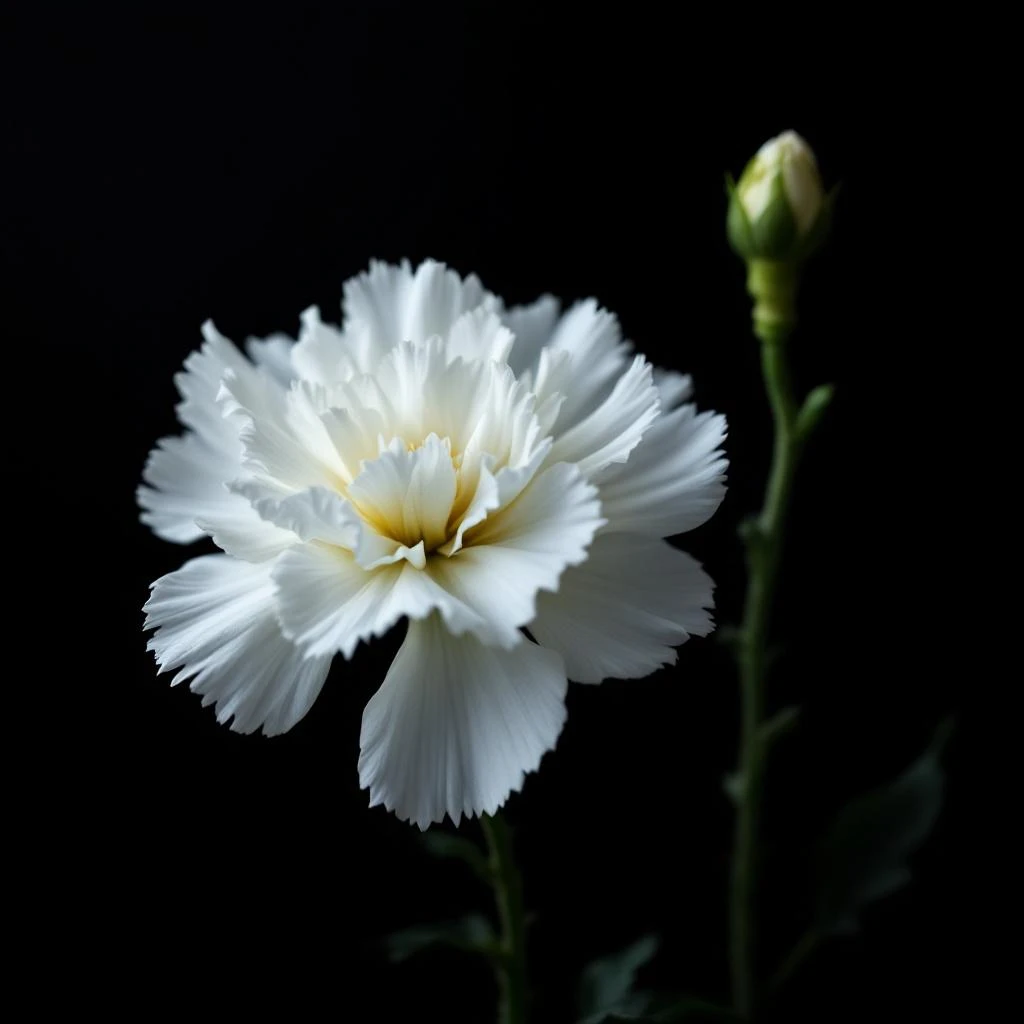
White Carnation carries an unexpected warmth—a spicy floral with clove-like depth that most assume belongs only to oriental fragrances. Its peppery sweetness bridges fresh and warm scent families, offering perfumers a versatile ingredient that defies easy categorization.
Character
How it smells
The clove-scented spice flower of perfumery
The carnation's Latin name, caryophyllus, literally means 'clove' in Greek—long before perfumers began blending these notes intentionally.








Origin
France
The carnation's history in perfumery stretches back to ancient Greece and Rome, where these flowers were cultivated not for beauty but for their aromatic qualities. The flower's scientific name, Dianthus caryophyllus, contains 'caryophyllus'—the same term used for cloves—reflecting how early observers immediately recognized the olfactory kinship between these two botanicals.
For centuries, carnations remained in the background of perfumery, used primarily as decorative elements or minor accent notes. The watershed moment arrived in 1905 when French perfumer François Coty launched L'Origan, the first major fragrance built entirely around a carnation base.
This spicy floral composition, combining carnation with clove, nutmeg, and cinnamon, created what became known as the 'carnation base'—a template that influenced generations of perfumers. Contemporary perfumers continue working with White Carnation absolute, though its rarity and cost mean it appears most often in artisanal and luxury fragrances rather than mass-market products.
Wears it best
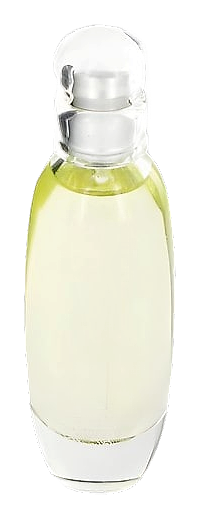
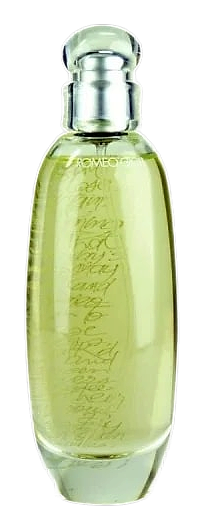
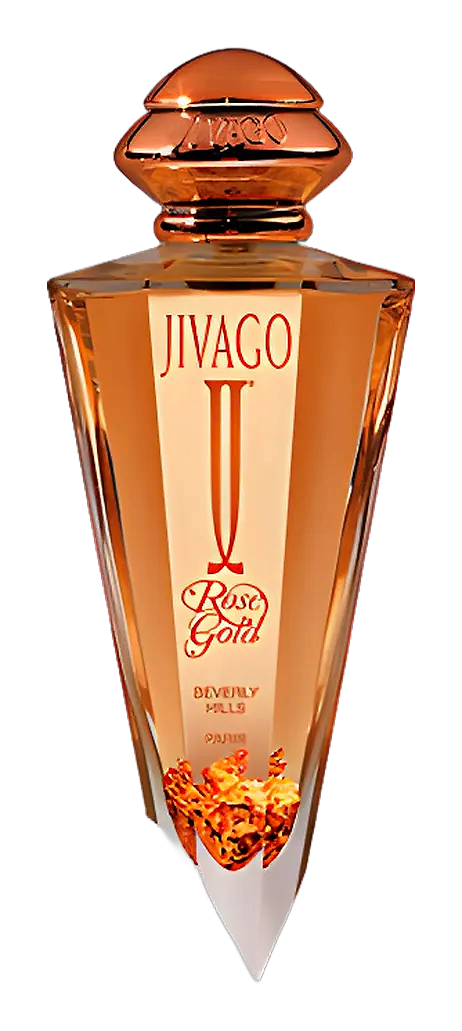
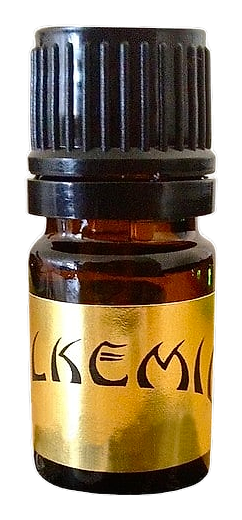
Fragrances featuring White Carnation
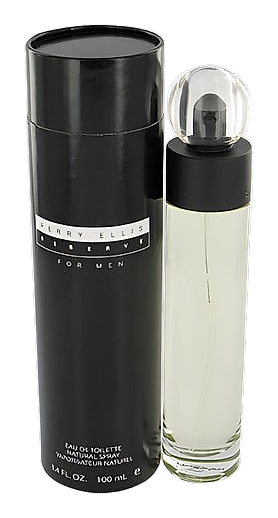
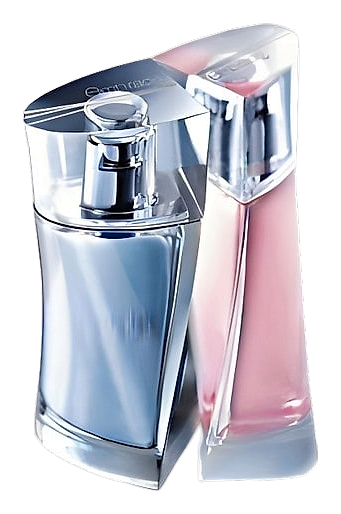
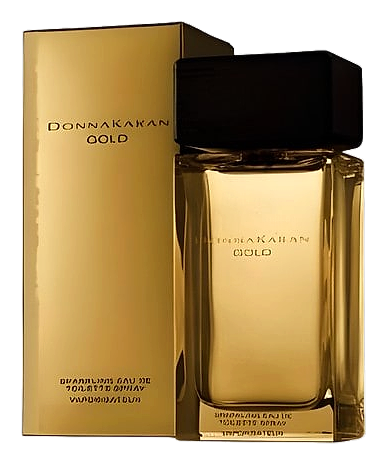
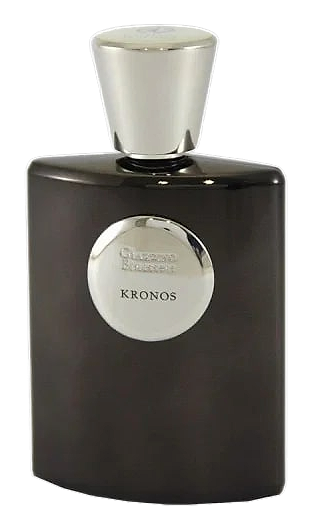

Brands
Brands known for White Carnation
Good to know
Questions, answered
The essentials on White Carnation in perfumery: how it smells, where it comes from, and how it behaves on skin.
What does White Carnation smell like?
White Carnation smells like a warm, spicy floral with pronounced clove-like nuances. The scent combines peppery freshness with sweet, almost honeyed undertones and a distinctive warm spice that sets it apart from most other florals.
Is White Carnation natural or synthetic?
White Carnation exists as both. Natural absolute comes from solvent extraction of carnation petals, primarily produced in southern France. Synthetic alternatives using eugenol and related compounds replicate the spicy clove character for broader commercial use.
Why is White Carnation so expensive?
White Carnation absolute requires vast quantities of petals for minimal yield. Solvent extraction is labor-intensive, and production remains concentrated in southern France, where specific climate conditions affect quality. This combination drives prices comparable to premium rose and jasmine absolutes.
What fragrances feature White Carnation?
White Carnation appears in fragrances across scent families. Coty's L'Origan (1905) pioneered its use, while more recent examples include Diptyque's Eau de Lierre and Serge Lutens' La Fille de l'Air, each showcasing the flower's versatility in different compositions.
Does White Carnation have any historical symbolism?
Ancient Greeks and Romans cultivated carnations for their clove-like fragrance, not their appearance. The flower's name itself—'caryophyllus'—means clove in Greek, documenting this aromatic connection for over two millennia.
What other ingredients pair well with White Carnation?
White Carnation pairs naturally with other spice notes like clove, nutmeg, and cinnamon. It also complements green notes, woody accords, and vanilla, bridging fresh and warm fragrance families with unusual ease.
How does White Carnation perform in perfumery?
White Carnation serves as a natural fixative in fragrance compositions. Its molecules anchor lighter top notes while contributing lasting spicy floral character. Perfumers value it for extending wear time and adding complexity to heart notes.
Where does White Carnation grow best?
White Carnation thrives in Mediterranean climates with well-drained soil and full sun exposure. Southern France remains the primary production region for perfumery-grade absolute, though cultivation occurs across Europe and North America.