The Story
Why it exists.
The beginning
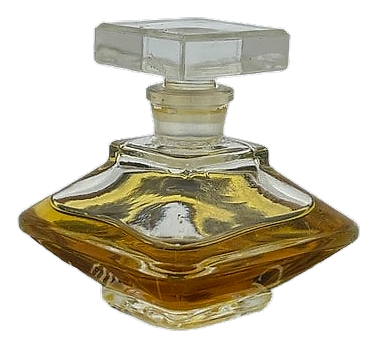
Tibet Parfum arrived in 1979 from Christine Arbel. Its title suggests distance and fascination, but the available history doesn't document a specific Tibetan inspiration, creator, or intent. What can be read clearly is the composition itself. Mandarin Orange and Bergamot bring a polished lift, Galbanum and Pine sharpen the greenery, and Blackcurrant adds a dark fruit edge. Together, the opening feels bright and articulate, with citrus brightness set against resinous greenery and the rounded depth of dark fruit. Beneath that brightness, Lily of the Valley, White Carnation, Orris Root, Geranium, Jasmine, and Rose create a white-floral, powdery heart. Lily of the Valley and white carnation lend a clean floral center, while orris and geranium give it a soft, suede-like texture.
The unusual part is the handoff between materials. Citrus and blackcurrant make the opening vivid, but galbanum and pine keep it from becoming sweet. The heart turns floral and powdery rather than sugary, with orris root giving the arrangement a soft, almost cosmetic elegance. Jasmine and rose add warmth to lily of the valley and white carnation, while the woody base gives the composition a floor. Sandalwood, leather, and oak make it feel more grounded than a typical citrus-floral. Vanilla and musk soften that structure. Together, the notes move from fresh brightness to textured warmth without losing the fragrance's composure.
The evolution
The first impression is clean, green, and citrus-led, with mandarin orange and bergamot providing a bright, polished opening. Galbanum and pine add a sharper aromatic quality, while blackcurrant lends a juicy, dark fruit shadow that keeps the opening from reading as simply light. As that brightness settles, the floral heart takes over. Lily of the valley and white carnation make an airy white center, with orris root introducing a soft powdery texture and geranium adding a green, tailored character. Jasmine and rose keep the heart warm and human, making it a little less pristine and more rounded. The drydown is the real character shift. Sandalwood and oak bring a smooth, woody finish, leather adds a darker polished edge, and vanilla rounds the composition with restrained sweetness. Musk helps everything sit close to skin and gives the later stages a soft, intimate texture.
Cultural impact
Tibet Parfum sits between freshness and finish, offering the brightness of citrus and greenery alongside a more substantial floral heart and a warm, woody base. Mandarin orange and bergamot create an immediate lift, while galbanum, pine, and blackcurrant give the opening a darker, more textured edge. Lily of the valley, white carnation, orris root, and geranium bring a clean, powdery floral quality, with jasmine and rose adding softness and warmth.