The Story
Why it exists.
The beginning
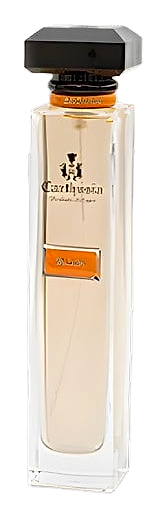
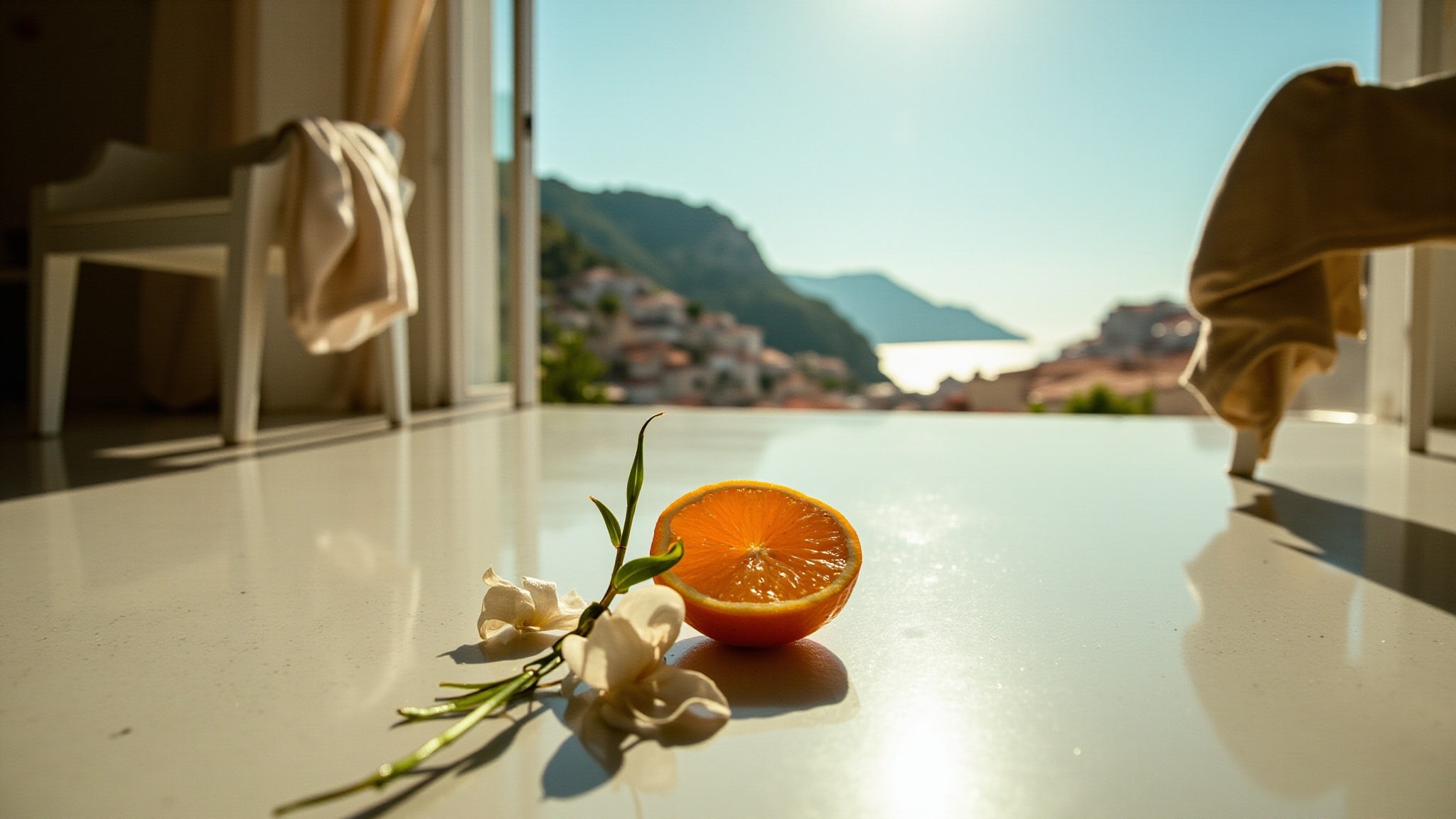
Zagara takes its name from the Italian word for orange blossom, and that single word does most of the explaining. The fragrance sits within Carthusia's catalog, the Capri-based house whose lineup draws from botanical materials tied to the island. Neroli and orange blossom feature prominently in Zagara, the flower rendered here with unusual directness. Less island-composition, more single flower under a magnifying glass. The fragrance reads as a close study of orange blossom in its full expression: the bright, honeyed sweetness of the petals, the green bite of the bitter orange leaf, the soft warmth of the absolute, all given room to speak without competing accents.
What gives Zagara its character is the restraint. The ginger and lemon sit low, supporting actors warming up the neroli's natural radiance rather than competing for attention. The opening stays gentle, the citrus notes adding lift without turning sharp or aggressive. The white floral heart, where jasmine and ylang-ylang fold into orange blossom, stays controlled, never tipping into the indolic, overripe territory that sinks similar compositions. There's a discipline to how the florals are handled, a refusal to let any single element overwhelm.
The evolution
The first 15 minutes are bright and sharp. Neroli does what neroli does, that bittersweet green-soap tension, but the ginger underneath adds a clean, almost peppery heat that keeps the citrus from reading purely floral. Mandarin and lemon push the opening outward, airy and sunlit, before the ginger settles in and grounds it. By the 30-minute mark, orange blossom takes over. It's not shy. Petal-thick, warm, slightly honeyed, with jasmine threading through quietly, and ylang-ylang adding that faint, waxy, almost tropical sweetness in the background. The floral heart holds steady for a few hours, never becoming suffocating. Around hour 4, the drydown announces itself. White amber arrives first, clean and musky rather than heavy. Cashmere wood does exactly what its name promises: a soft, almost suede-like warmth. The tonka bean surfaces late, adding a faint almond-vanilla sweetness that wasn't visible earlier. Patchouli is barely there, more a shadow than a note. By hour 6 to 8, what's left on skin is that warm amber-wood close, close to the body, intimate.
Cultural impact
Zagara reads as a confident, understated statement, the kind of scent that rewards attention rather than demanding it. Within Carthusia's catalog it occupies a distinctive position as a neroli and orange blossom composition, leaning fully into white floral territory with minimal distraction from other note families. Reviewers and fragrance communities have noted its softness and its floral backbone, with sources suggesting production has been limited or interrupted at various points, lending the fragrance a certain scarcity among collectors.