The Story
Why it exists.
The beginning
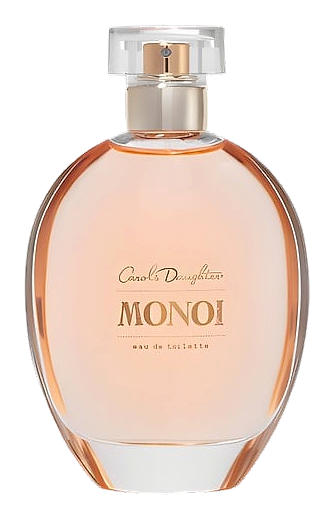
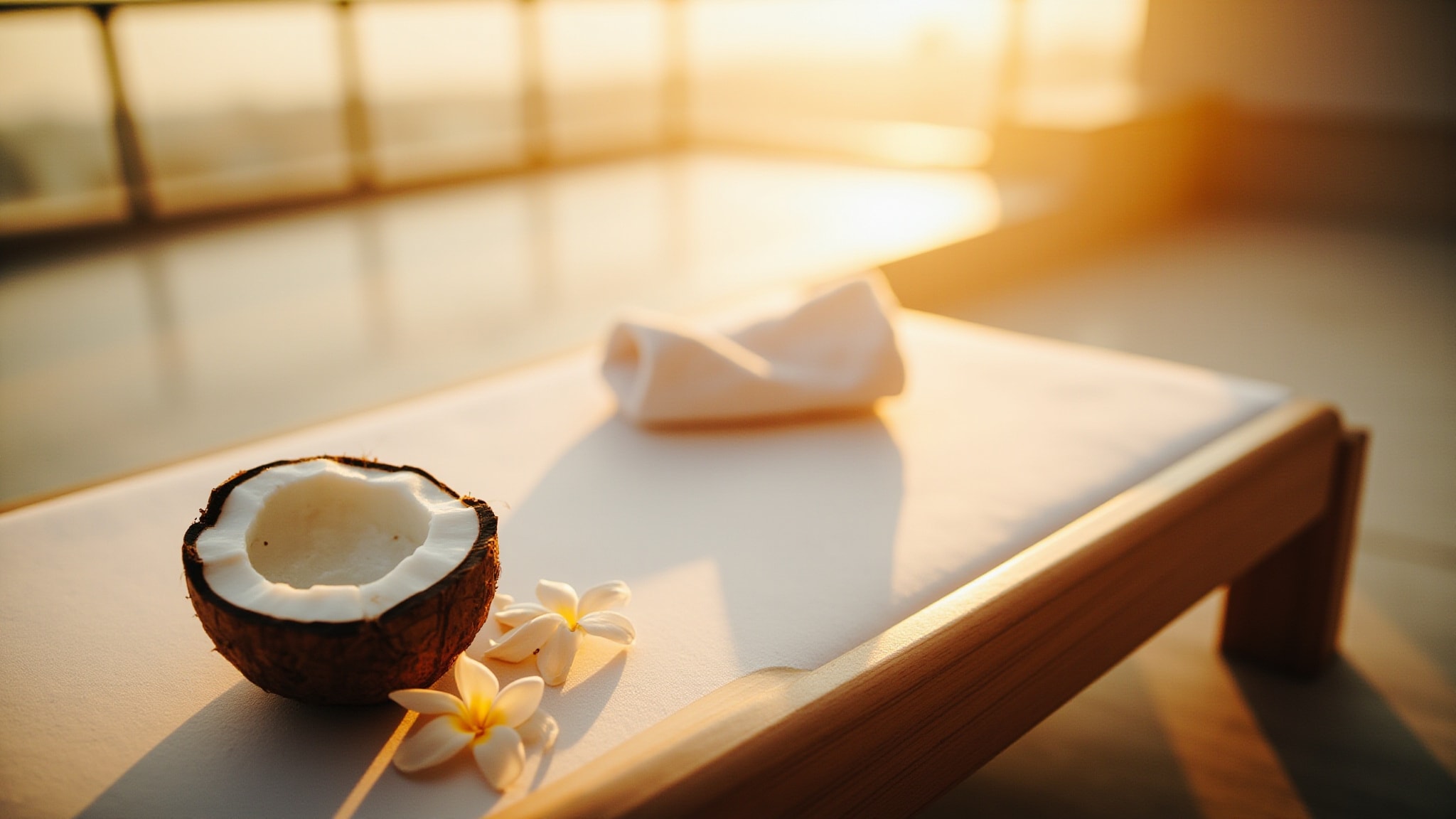
Monoi draws its name from monoi de Tahiti, the traditional French Polynesian oil made by soaking tiare flowers in coconut. Carol's Daughter took that tropical reference point and translated it into a 2016 release that keeps one foot in the islands. The white floral wears less like a polished, formal perfume and more like a second skin after a long, warm day. Rather than announcing itself in a crowded room, it settles into the wearer, as if the coconut and tiare had always been part of the skin's natural scent. There's a milky, almost gourmand warmth beneath the petals, the kind of softness that makes the bottle feel more like skincare than cologne.
What makes Monoi interesting is the note stacking. Coconut and sea notes anchor the top alongside gardenia, a flower closely related to the tiare at the heart of real monoi oil. Eucalyptus and petitgrain cut through what could otherwise turn into pure dessert. The heart layers orange blossom, jasmine, tuberose, and lily of the valley into a creamy white-floral bouquet, with anise adding a faint herbal sharpness that keeps things from going saccharine. The base relies on guaiac wood, cedar, and sandalwood for warmth, with Peru balsam and vanilla rounding it off. It's a deliberate calibration between tropical ease and white-floral structure.
The evolution
Monoi opens bright. Bergamot, petitgrain, and eucalyptus land first, cool and green, with a quick hit of grape sweetness. Coconut shows up almost immediately, not as a suntan oil but as something softer, almost milky, blended with gardenia. Within 15 minutes, the sea notes have receded and the florals begin their takeover. Orange blossom leads, then tuberose. The anise flickers in and out, adding a faint licorice edge that keeps the sweetness from going flat. An hour in, the white woods settle underneath, guaiac wood first, then cedar, and the vanilla starts to hum at the base. By hour three the whole composition has tightened into a close, creamy skin scent that feels more like a memory of the opening than the opening itself. The longevity reads as above-average, with the creamy base holding long after the brighter top notes have faded into the fabric.
Cultural impact
Monoi carries a recognizable identity thanks to its tropical coconut signature, a note that has long been shorthand for sun-warmed skin, beach air, and post-vacation ease. White florals can sometimes read as formal or wedding-aisle, but the coconut here pulls the composition somewhere more relaxed, closer to a melted body oil than a structured bouquet. The tropical leaning makes it a natural pick for warm-weather wear, when heavy orientals and dense gourmands feel like too much, but it also reads as nostalgic for anyone who associates coconut with summer.