
The Story
Why it exists.
The beginning
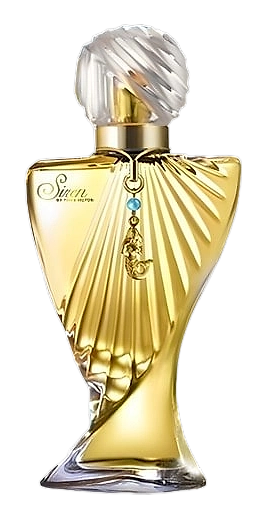
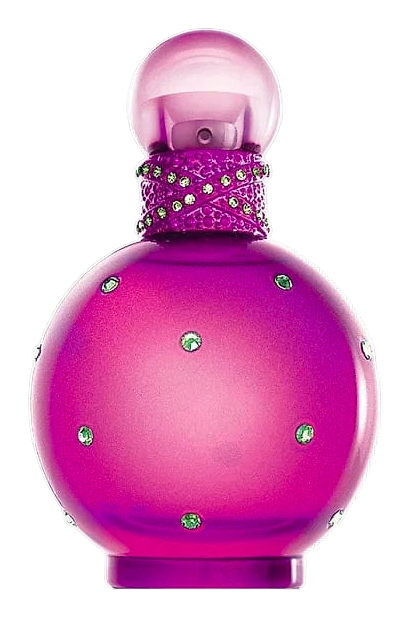
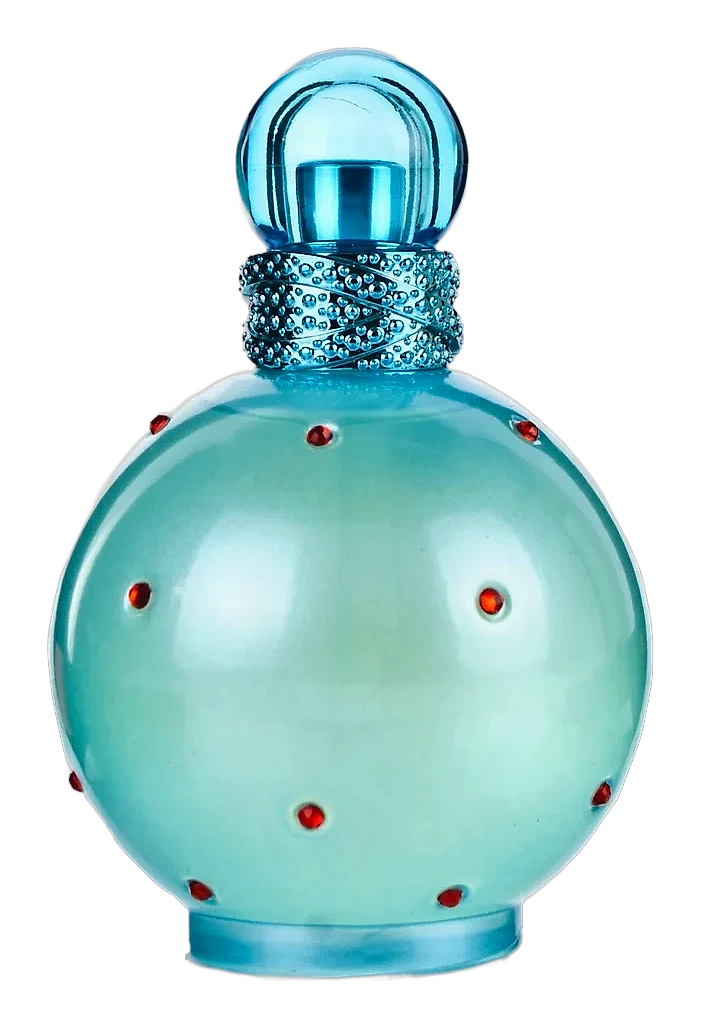
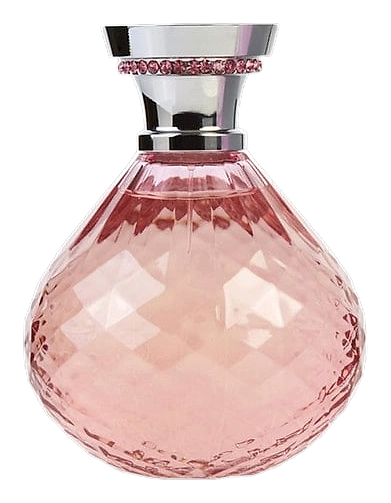
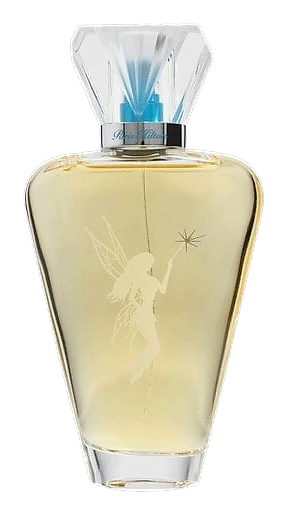
The fifth fragrance in the Paris Hilton collection arrived in 2008, created by perfumer Cécile Krakower under Mane. Fairy Dust drew its name from the idea of magic made tangible, glitter and wonder in a bottle. The concept was straightforward: capture the feeling of something sparkling and celebratory, then soften it into something wearable. Prosecco opened the composition, a nod to effervescence and the pop culture moment of the era. White florals filled the heart. A musky-vanilla warmth anchored the base.
The composition's defining move is its transition from fizzy lift to cozy warmth. The lactonic quality, milky sweetness threaded through the florals, gives Fairy Dust a contemporary edge that sets it apart from straightforward gardenia soliflores. Gardenia itself carries a duality: creamy and tropical in its bloom, green and slightly bitter in its stems. Here, it's front and center, softened by peach and water lily rather than pushed into sharpness. The base doesn't subdue the florals, it holds them close and warm against the skin, letting the wearer's own chemistry complete the effect.
The evolution
The opening arrives on a fizzy note, Prosecco's effervescence lifts immediately, crisp and celebratory. Peony adds a powdery floral softness; orange blossom brings a clean, wisteria-like lift that cuts the sweetness. Fifteen minutes in, the florals take over. Gardenia dominates the heart, creamy and heady, with peach nectar sweetness underneath. Water lily keeps the florals from going too heavy, there's a watery coolness that tempers the richness. By the base, everything has softened into warmth. Musk and vanilla cream create a close, powdery embrace. Patchouli adds a whisper of earth. The sillage becomes intimate, almost a skin scent by hour five. On fabric, though, the musk and vanilla hold on, warm and soft overnight.
Cultural impact
Fairy Dust occupies a specific cultural moment, 2008 celebrity fragrance culture at its peak. It appeals to the wearer who wants warmth, comfort, and a touch of sparkle without complexity or niche pretension. The white floral structure reads as youthful and approachable; the lactonic warmth gives it staying power that keeps people loyal.
The House
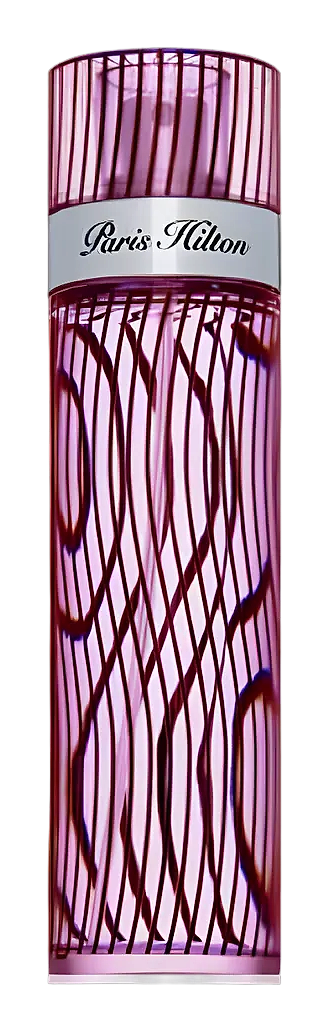
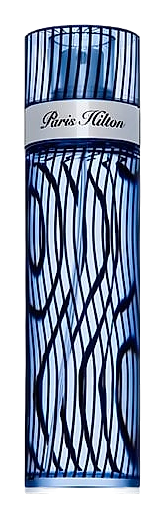
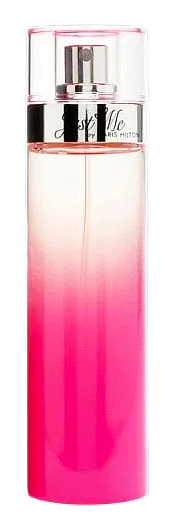
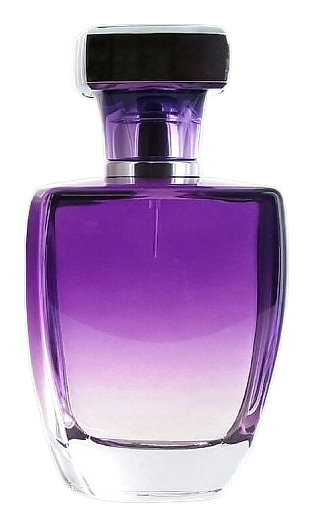
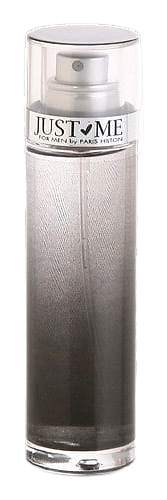
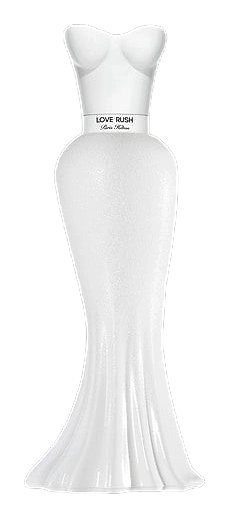
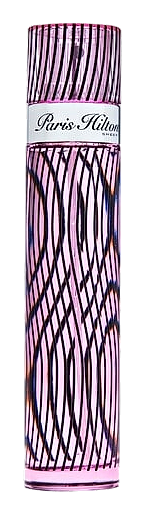
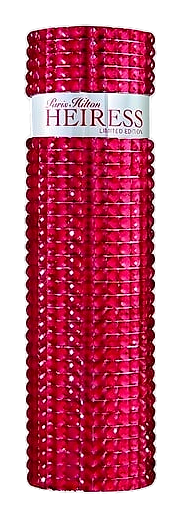
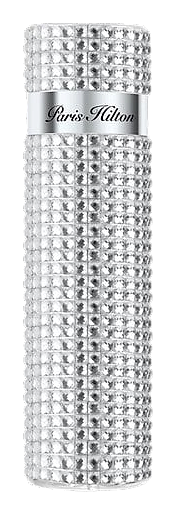
Paris HiltonParis Hilton entered the fragrance market in 2004 with a self‑titled scent that quickly attracted attention beyond the celebrity sphere. Over the next two decades she released a steady stream of limited editions, men’s versions, and seasonal flanks, building a portfolio that now exceeds thirty distinct bottles. The line has been noted in business reports for generating multi‑billion‑dollar revenue, making it one of the longest‑running celebrity fragrance programs in the United States.
The Creator
Cécile Hua a.k.a. Cécile KrakowerCécile favors natural materials and technical innovation. She pioneered the first natural passion fruit extract in perfumery using a proprietary CO2 extraction technique, a testament to her willingness to push boundaries in ingredient development.