The Story
Why it exists.
The beginning
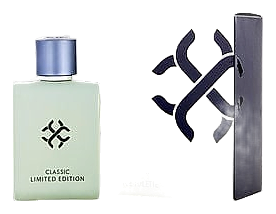
Carlo Corinto arrived in 1984 as the founding men's fragrance from a fashion house that traced its roots to Paris but had built its following across Mexico. The timing matters, 1984 was peak era for aromatic fougères, green compositions that smelled like clipped hedges and outdoor air rather than barbershops. But this one had a different agenda. Where contemporaries leaned into lavender and oakmoss as a sign of masculine reliability, Carlo Corinto pushed the herbs harder, basil and thyme as opening statements, not background players. The goal wasn't a safe masculine signature. It was something with more nerve.
The note structure reveals the intent. Basil is unusual as an opening note, it's volatile, herbal, almost savory. Paired with thyme and a citruses punch from bergamot and lemon, the top sets an herbal freshness that most fragrances of the era would bury under soapy lavender. Then comes the move that ages this composition forward: raspberry in the heart. Fruity notes in men's fragrances were uncommon in 1984, and raspberry especially carries a certain brightness that can read young or even juvenile if mishandled. Here it threads between cedar and sage, woods that ground it, herbs that extend the opening's logic, creating a middle that stays green but gains unexpected dimension. The raspberry isn't sweet.
The evolution
The opening hits like crushed herbs, basil first, immediate, then bergamot arriving bright and tart before the thyme cuts in with something almost medicinal. Thirty minutes in, the raspberry appears. It doesn't announce itself. It surfaces quietly between the cedar and sage, a softness that seems like it shouldn't belong but does. The citrus fades. The herbs settle. What you're left with is an aromatic heart that smells like nothing generic. Two hours in, the base takes over. Vetiver and patchouli form an earthy foundation while leather arrives last, not harsh, not motorbike, just the warm animal weight of something well-worn. This is where the fragrance transforms from daytime green to something with more gravity. The raspberry doesn't disappear entirely. It lingers beneath the surface, occasionally surfacing when warmth hits skin. Four hours in, you're in drydown territory. Vetiver and leather dominate now, with patchouli adding a quiet bitterness. On fabric, this lasts through an eight-hour workday.
Cultural impact
Released in 1984 at the height of the aromatic fougère era, Carlo Corinto stands apart through its herb-forward composition and unusual raspberry heart. Where contemporaries relied on lavender and oakmoss for masculine reassurance, this one pushed into greener, more opinionated territory. It's a time capsule that still holds up, not because it smells vintage, but because it smells like it knew what it was doing.