
The Story
Why it exists.
The beginning
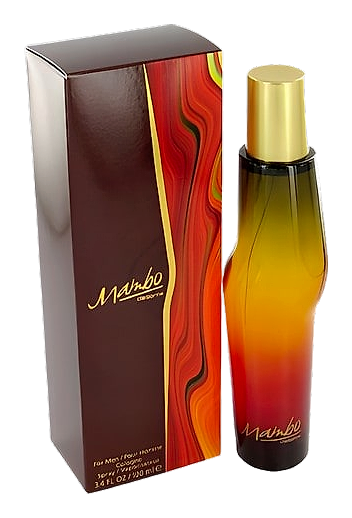
Carlos Benaïm created Mambo for Men in 2001, channeling a specific energy: the rhythm and movement suggested by the name. The fragrance was designed around a tension between cool and warm, citrus and herbs opening bright and sharp, then settling into cedar and spice that feels grounded rather than showy. This was built for the man who shows up and does the work without needing his scent to announce it for him. The composition reflects a moment when men's fragrances were becoming more accessible, performance without pretense, presence without the heritage price tag. Mambo captures that democratization: a scent that works, that lasts, that doesn't whisper about where it came from.
The real distinction lives in the herbs. Lavender, lemon verbena, caraway, this isn't a linear citrus fragrance, it's an aromatic study. The citrus and herbs arrive together, a mojito clarity that doesn't let one element dominate. Then the cedar and cinnamon arrive like a warm current underneath. Patchouli appears twice in the pyramid (heart and base), which is unusual but effective, it bridges the bright opening to the warm drydown, creating continuity where most fragrances simply transition. The result is a fragrance that moves through phases without jarring transitions, each stage feeling like a natural evolution rather than a replacement.
The evolution
The first minutes are all clarity, that lavender-bergamot opening that smells like morning routines and clean intentions. Lime cuts through sharp, almost tart, while lemon verbena adds a green edge that keeps everything from becoming too sweet. It's bright and soapy at the same time, that particular tension of a well-made aromatic fragrance. Twenty minutes in, the herbs deepen and the orange blossom starts to show, a subtle white floral that softens what came before. The cedar announces itself around the 30-minute mark, warm, dry, slightly sweet. Cinnamon follows, never loud but present, that warm spice that makes the composition feel earned rather than constructed. By hour two, the drydown is fully in control. Sandalwood and musk create a skin-close warmth that doesn't project aggressively but lingers. The balsam fir adds a slight evergreen note, a reminder of the herbal beginning even as the fragrance settles into its final form. This is a fragrance that works a full workday.
Cultural impact
Mambo arrived in 2001 as part of a wave of accessible men's fragrances that prioritized wearability over complexity. The aromatic-citrus-wood structure positioned it as an office-friendly option that didn't sacrifice character for restraint. It found its audience among men who wanted something that worked without announcing itself, the fragrance equivalent of a well-tailored blazer rather than a loud statement piece.