






Heritage
A house, in its own words
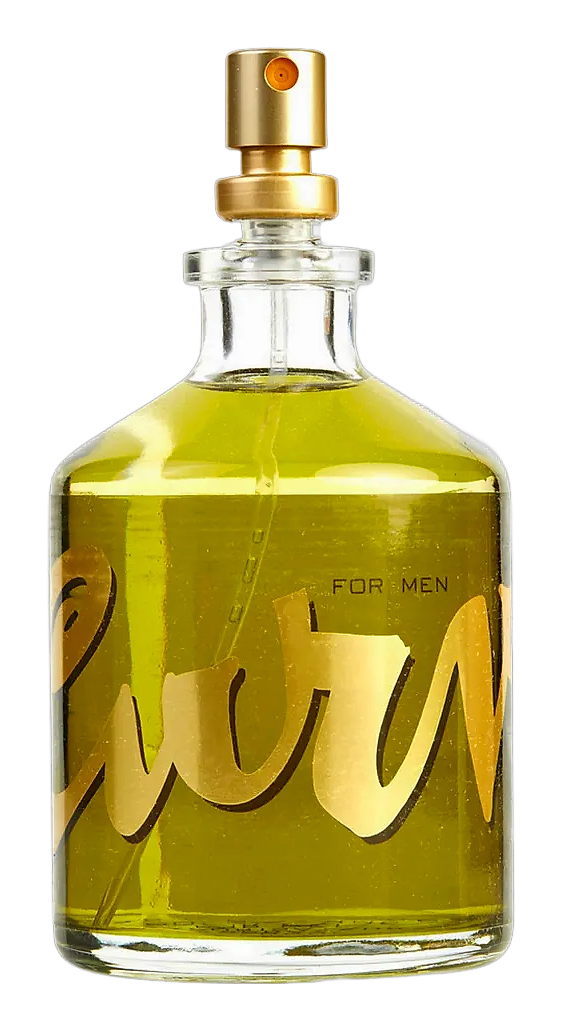
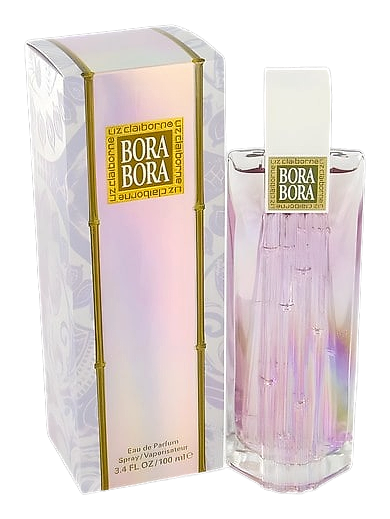
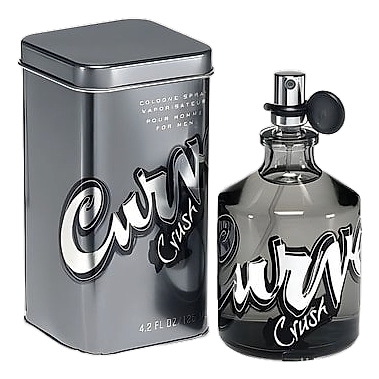
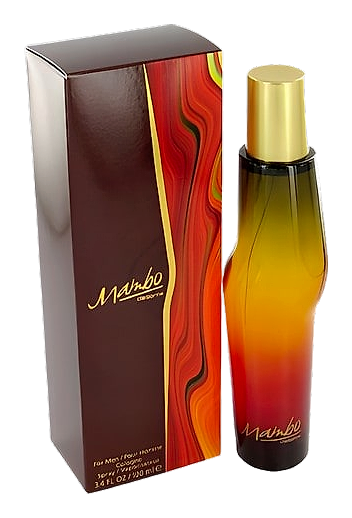
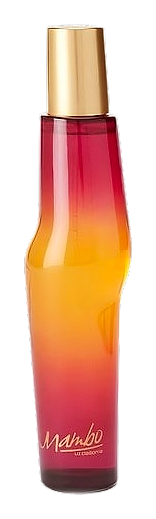
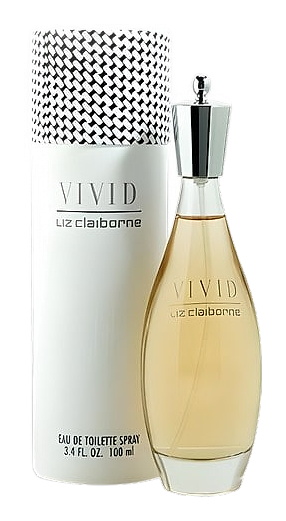
Born in Brussels to American parents, Liz Claiborne descended from Louisiana gentry. Her ancestor William C.C. Claiborne served as the state's first governor after the War of 1812. Rather than finishing high school in New Jersey, Claiborne persuaded her father to let her study art in European studios. In 1949, she won the Jacques Heim National Design Contest, which earned her a position as a sketch artist at Tina Leser's Manhattan sportswear company. She spent years working Seventh Avenue before launching her own label. In 1976, Claiborne teamed with husband Art Ortenberg and partners Leonard Boxer and Jerome Chazen to create a fashion house built on a simple premise: practical, colorful separates that working women could mix and match. She priced her collections accessibly, bucking the industry assumption that serious style required serious money. The approach worked. By 1986, Liz Claiborne Inc. made the Fortune 500—the first company founded by a woman to do so. Claiborne became the first female chair and CEO of a Fortune 500 company the same year. That same milestone year brought her first fragrance, extending the brand's accessible-luxury promise beyond clothing. The company continued expanding through acquisitions, adding labels like Candie's, Bora Bora, Curve, Mambo, Lucky Brand, Mexx, and Juicy Couture to its portfolio. Elizabeth Arden secured the fragrance license in 2008; Revlon acquired it in 2016. J.C. Penney purchased the fashion division in 2011. Claiborne retired from day-to-day operations in the late 1990s but remained chairman until 2003. She passed away in 2007, leaving behind a company that dressed America. Liz Claiborne believed that beautiful clothes should not require women to sacrifice comfort, practicality, or their savings accounts. She built her brand around real women's actual lives, not a fantasy of who they should be. Her signature approach combined rich color, clean tailoring, and versatile separates that moved easily from desk to dinner. The brand championed women entering the workforce during a transformative era, providing professional attire that empowered rather than constrained. Her fragrances carried the same democratic spirit. Where prestige perfume often demanded attention or projected exclusivity, Liz Claiborne scents offered something different: confident, approachable fragrance that enhanced presence without overwhelming a room. The brand understood its customer. She wanted to smell good, express herself, and move through her day without fragrance becoming a statement. This philosophy produced loyal followings for scents like Vivid, which launched in 1993 and remained popular for over a decade. The fragrances succeeded by being consistently wearable rather than chasing trends. Each launch reflected the brand's core belief: women deserved access to thoughtfully designed products that understood their needs.