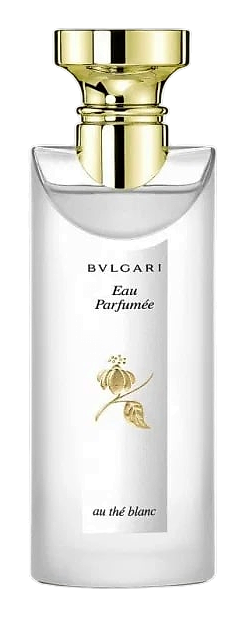
The Story
Why it exists.
The beginning
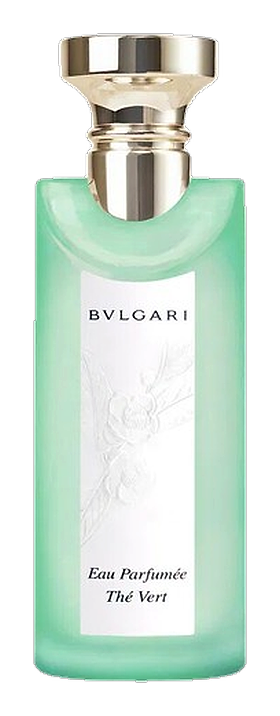
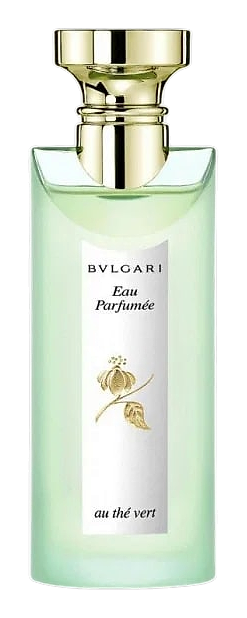
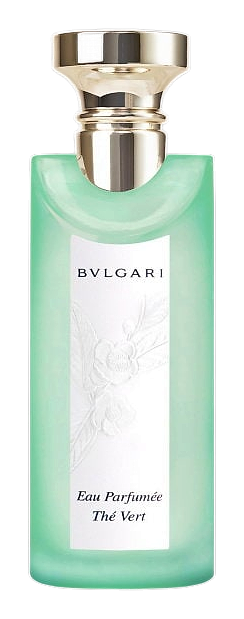
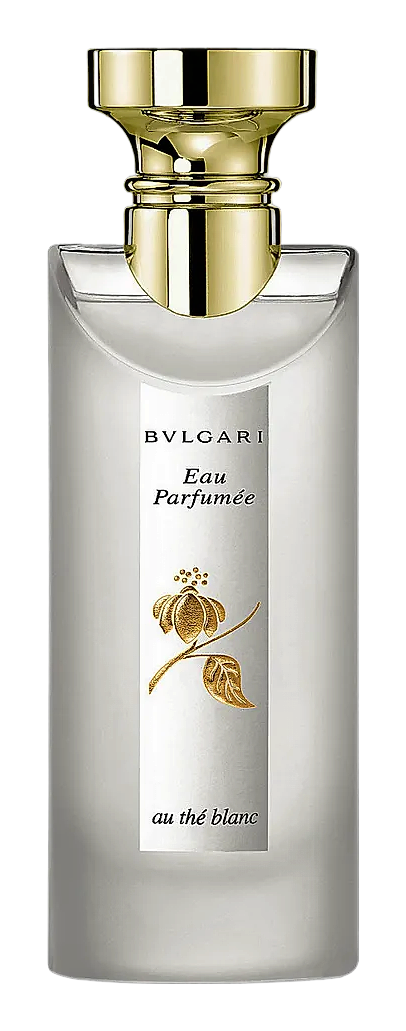
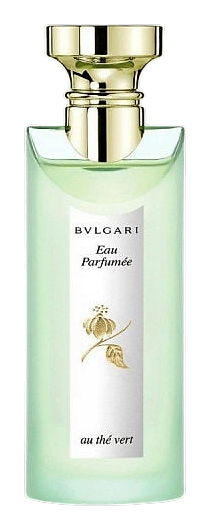
This fragrance almost didn't exist. In the late 1980s, Jean-Claude Ellena discovered that combining hedione with ionone could recreate the scent of tea. He brought the accord to Dior and Yves Saint Laurent. Both passed. Too creative, the story goes. Too unconventional. Bvlgari took a chance on it in 1992, initially as a boutique fragrance for their own stores. Customer demand pushed it to a wider launch. A quiet bet on a quiet fragrance, from a house not known for either.
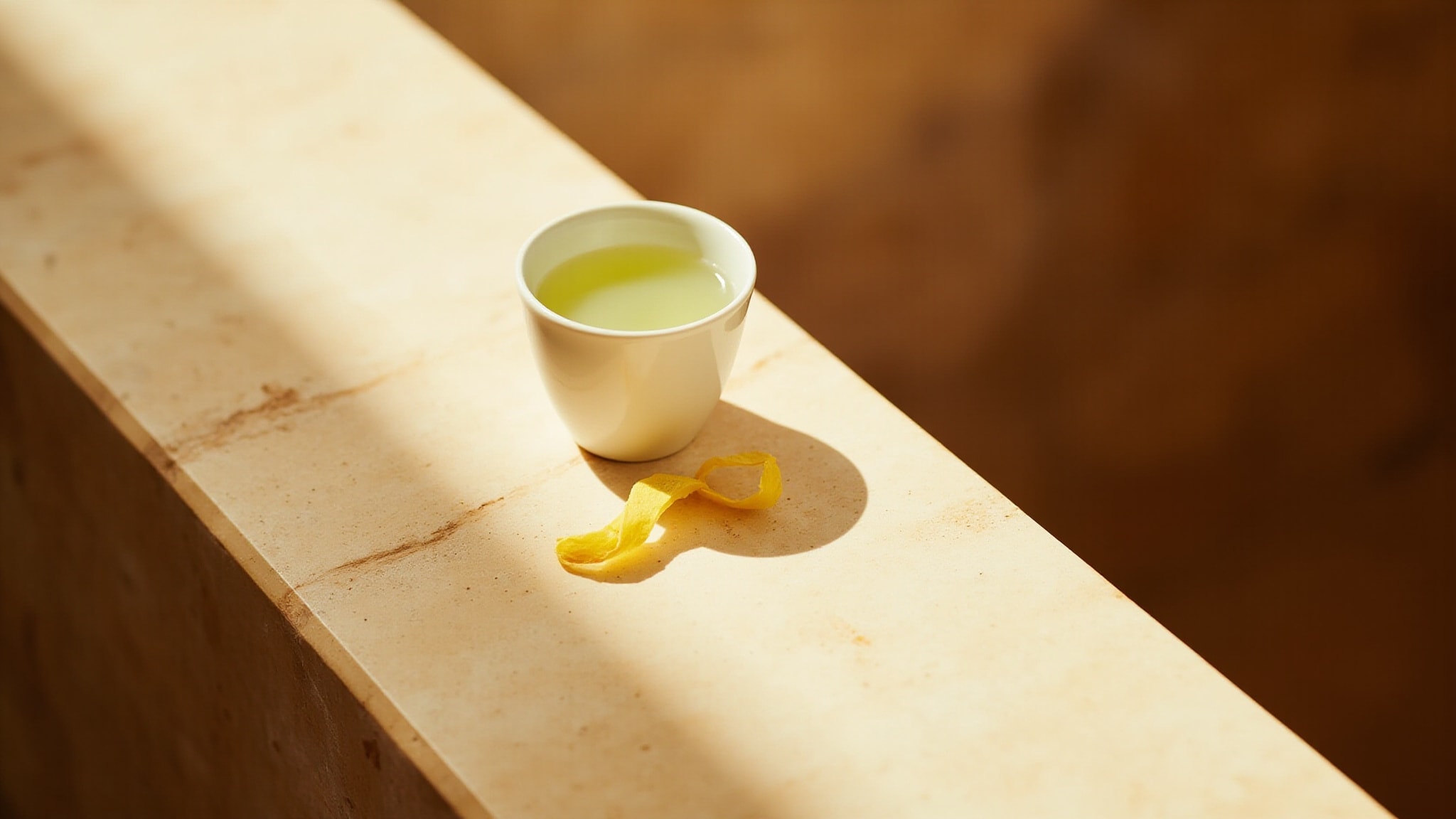
The tea accord is the real story. Ellena wasn't trying to smell like tea leaves. He was trying to capture the sensation of tea: that mineral, slightly bitter, watery quality that makes green tea what it is. Natural ingredients couldn't do it. Chemistry could. Using hedione and ionone to build the scent of something so specific was genuinely innovative for 1992. Green tea as a fragrance concept barely existed. The idea that you could synthesize the experience of a place, a moment, a cup, rather than just using the ingredient itself, was forward-thinking.
The evolution
The opening arrives crisp and effervescent. Bergamot fizzes bright on the skin, cardamom adds a clean heat, and the citrus reads almost like ginger ale. There's a brightness here that doesn't apologize for itself. The handoff to the heart is where it gets interesting. The green tea doesn't replace the citrus so much as absorb it, shifting the texture from sparkle to something cooler, more mineral. Jasmine and lily of the valley soften what could have been too austere. Bulgarian rose keeps it grounded. The drydown is where it finds its final form. Musk and cedar arrive to wrap the earlier notes in something warm and intimate. The woody base doesn't project so much as linger, close to the skin, for a couple of hours. A refined trace. Spring and summer wear it best.
Cultural impact
Au The Vert arrived in 1992 before green tea was a fragrance category. Ellena's synthetic approach to recreating the scent of tea was unconventional for the era, as most luxury fragrances relied on natural materials. The minimalist result became a reference point for tea-forward perfumery, proving that restraint and concept could carry a scent as effectively as raw materials.