The Story
Why it exists.
The beginning
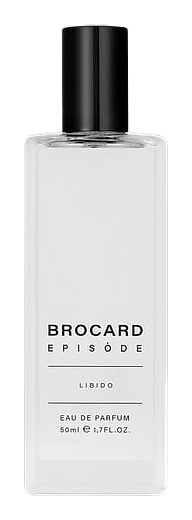
Episode Libido arrived in 2026 from Brocard. The name carries the episode in the title, a chapter rather than a portrait, and the notes follow that logic: an aldehyde opening, then a floral heart that warms without losing its nerve. It opens on citruses, white cedar extract and aldehydes. The citrus gives the first impression a clear, polished brightness, while white cedar contributes a dry woody texture and the aldehydes lend a sleek, abstract edge. The middle settles into water hyacinth, jasmine and pink pepper, combining a green floral character with a soft white floral center and a lightly spiced accent. The base is teakwood, amber, patchouli, vetiver and musk.
The interesting part is what sits inside the freshness. Aldehydes make citrus and white cedar appear more defined, sharpening their outlines and giving the opening a sleek, abstract character. Then water hyacinth arrives, bringing a watery green quality that creates space for jasmine. The floral heart develops gradually, with jasmine appearing soft and clean against the cooler greenery. Pink pepper contributes a lightly spiced accent that keeps the heart from seeming entirely smooth.
The evolution
The opening begins with citruses, aldehydes and white cedar extract, presenting the fragrance with a crisp and polished aromatic profile. The citrus is clear and lively, the aldehydes lend a sleek abstract quality, and the cedar adds a dry woody texture. As the opening develops, water hyacinth, jasmine and pink pepper form the heart. Water hyacinth contributes a watery green character, jasmine adds a soft floral presence, and pink pepper introduces a gently spiced accent. The composition then gradually gives these lighter materials more depth, moving toward teakwood, amber, patchouli, vetiver and musk. Teakwood contributes a smooth woody facet, amber adds warmth, and the patchouli and vetiver bring darker earthy and herbal notes. Musk softens the base and gives it a skin-like finish.
Cultural impact
Episode Libido rewards attention to its note structure. Its opening combines citruses, white cedar extract and aldehydes, moving into water hyacinth, jasmine and pink pepper before settling on teakwood, amber, patchouli, vetiver and musk. That progression gives the fragrance a distinct shape: a bright aromatic beginning, a green and floral middle, and a warm, earthy base. It can be appreciated by people who enjoy tracing how individual materials change the composition over time, noticing how the citrus and cedar recede, how jasmine and water hyacinth share the center, and how patchouli, vetiver and amber define the later stage.