The Story
Why it exists.
The beginning
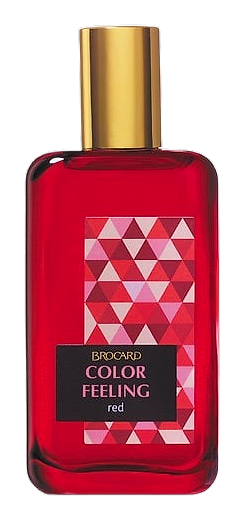
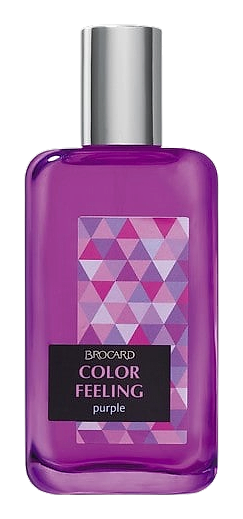
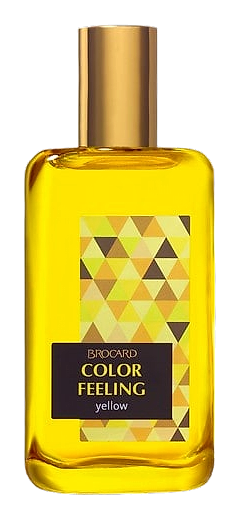
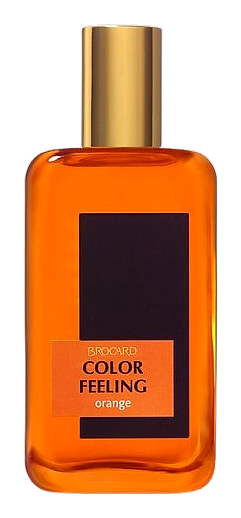
Brocard's Color Feeling collection treats color as a creative brief. Each fragrance translates a hue into sensation, and for Orange, the question was simple: what does warmth actually smell like when it's allowed to linger? Bertrand Duchaufour built the composition around that tension between citrus brightness and depth that doesn't quit. The house, founded in 1864, has always cared more about material provenance than marketing. That shows here, not in what the fragrance says about itself, but in how long it stays once you've put it on.
The note structure is unusual for a citrus-forward scent. Mango and ground cherry pull the opening into tropical territory, while chili and saffron introduce a warm spice that typically belongs in oriental compositions. Marigold, uncommon as a listed note, adds a resinous, almost herbal edge that stops the sweetness from flattening. The base is built on sandalwood and cedar, anchored by amberwood and ambergris. That's a lot of wood for a fragrance called Orange. But it works: the woods keep the citrus from disappearing after thirty minutes and instead let it evolve slowly, warm and close, for hours.
The evolution
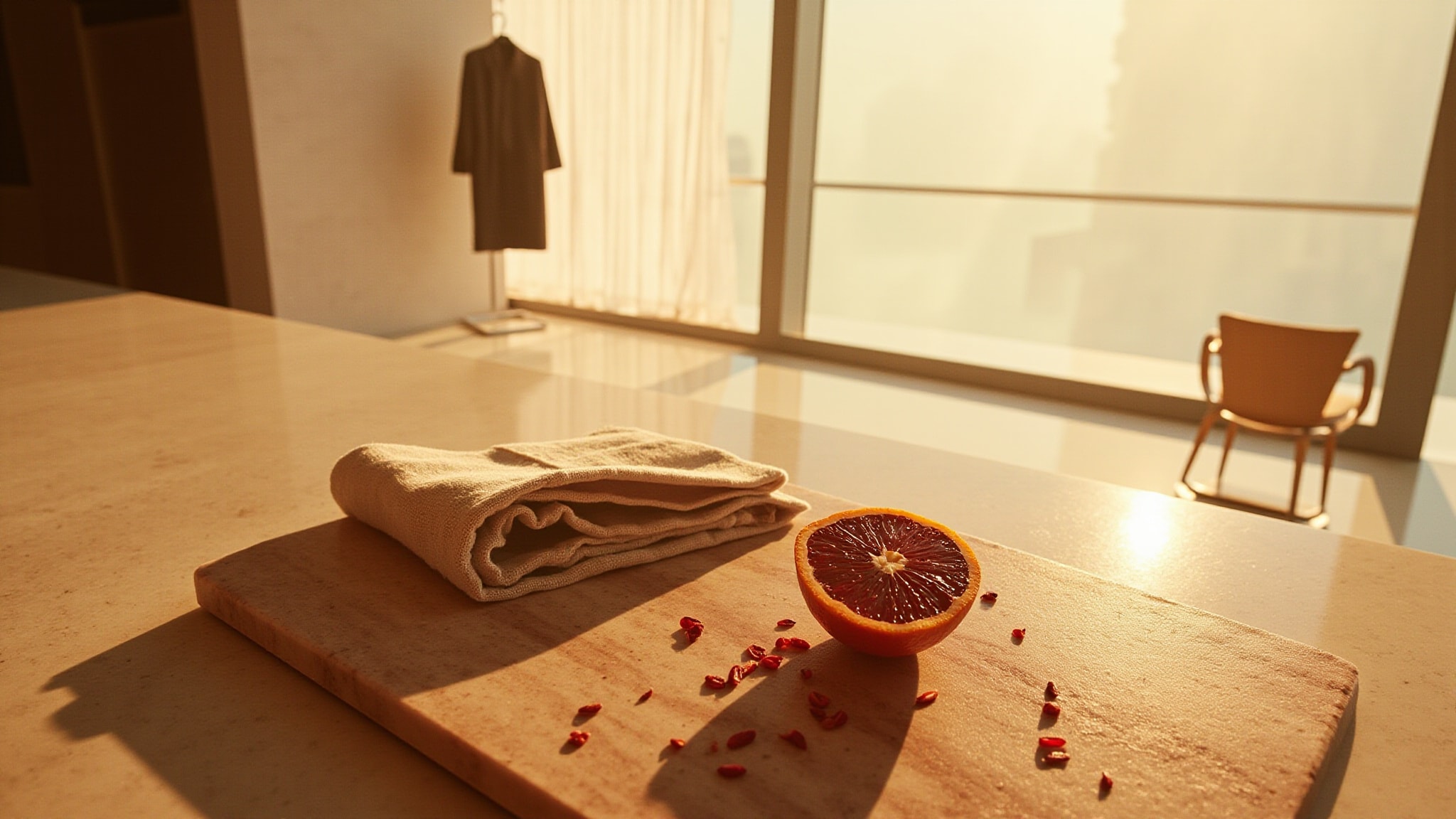
The opening hits bright and immediate, orange, citron, a quick flash of chili heat. Within minutes the mango and ground cherry emerge, pulling the composition toward something rounder and more tropical. Marigold and saffron arrive next, adding that waxy, slightly medicinal warmth that makes the heart feel like afternoon light through a window rather than a fresh morning. The rose and iris hold the center for a couple of hours, powdery and restrained. Then the base takes over. Sandalwood and cedar arrive last, but they arrive hard, settling into the skin with amberwood and ambergris, creating a drydown that stays close and warm for significantly longer than the opening suggests. On fabric, the cedar lingers into the next day.
Cultural impact
Color Feeling Orange arrived in 2020 during a period when citrus fragrances were simplifying their compositions in response to market demand for lighter, safer options. Bertrand Duchaufour took the opposite approach, building a warm citrus with unexpected complexity that challenged the prevailing trend toward minimalism. The Color Feeling collection as a whole represented Brocard's attempt to translate sensory experiences into olfactory form, naming each fragrance for a color rather than an emotion or ingredient. This conceptual framing positioned the line as more artistic than commercial, though the pricing kept it accessible.