The Story
Why it exists.
The beginning
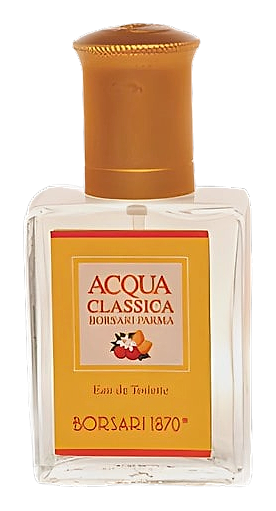
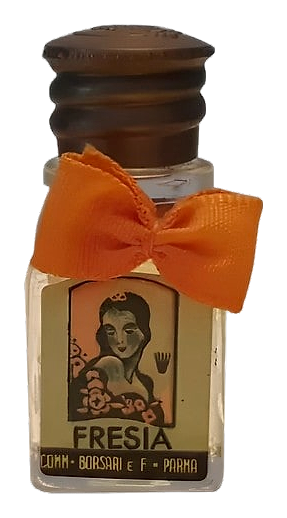
Fresia arrived in 1930 from Borsari 1870, a Parma house whose compositions have been built on classical ingredients and a restrained hand for generations. The composition wears its citrus-and-white-floral bones openly, with blackberry lending a dark berry sweetness uncommon in Italian colognes of the period. Named for freesia, the flower that cuts through with a green-pepper sharpness, the fragrance leans into the house's quieter aesthetic. There's something quietly confident about the way the citrus top notes give way to the floral heart and then settle into warm woods and musk.
The blackberry top note gives Fresia an unusual edge for a white-floral composition. Blackberry in a fine fragrance is rare, and pairing it with bergamot and peach pushes the opening toward something almost edible, a fruit-forward brightness that announces itself with confidence. The freesia-lily-rose-jasmine heart is classically structured, floral-heavy and traditionally composed.
The evolution
The opening belongs to the fruit. Blackberry and peach hit first, sharpened by lemon and bergamot, reading almost like a cold glass of something on a warm afternoon, vivid and a little reckless. The white florals surface as the top notes fade, freesia arriving with its characteristic peppery green snap before jasmine and rose round the edges into a softer, more traditional bouquet. Lily of the valley adds a dewy, cool thread that keeps the whole arrangement from going heavy or overwrought. As the hours pass, the exotic woods take over, a soft resinous warmth underneath what remains of the musky sweetness. The drydown flattens into a close-skin vanilla-musk veil that holds gently for hours afterward, slightly powdery and quietly present.
Cultural impact
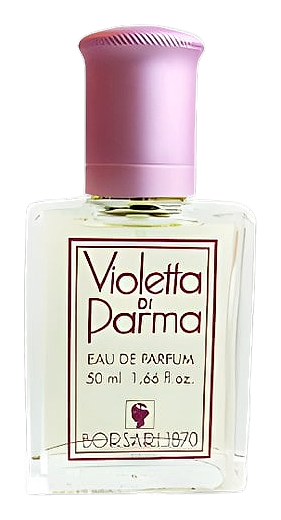
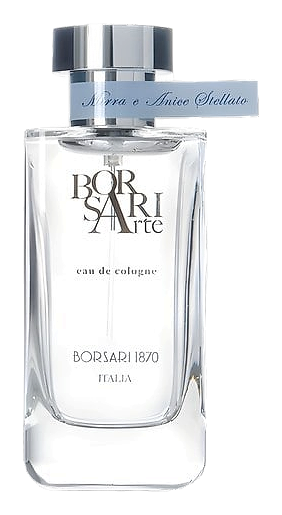
Fresia sits within Borsari's catalog of vintage Italian compositions, alongside releases like Violetta di Parma and Bouquet di Violette, fragrances that share the same classical Italian floral sensibility. The catalog as a whole reflects a house that has stayed close to its original aesthetic across decades, building a body of work rooted in white-floral perfumery and Italian tradition.