
The Story
Why it exists.
The beginning
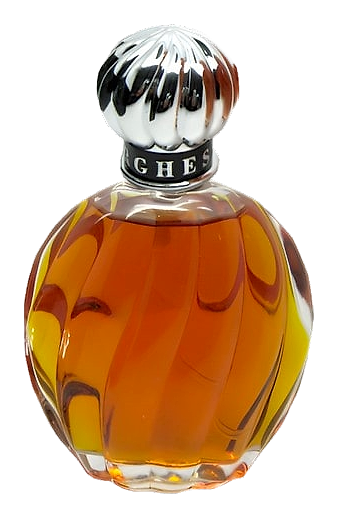
Di Borghese arrived in 1978 as Borghese's first fragrance, an olfactory statement from an Italian house built on heritage beauty traditions. Princess Marcella Borghese founded the company in 1958, drawing on centuries of Roman patrician culture to bring spa rituals once reserved for nobility into broader access. The fragrance captured that ambition: a green floral that felt both aristocratic and generous, built for the woman who wore Italian heritage as birthright without the cold distance of old aristocracy. Di Borghese was her introduction to the world of fine fragrance, and it showed no restraint in doing so.
The structure reveals itself as more ambitious than expected. Galbanum leads, not as a fleeting top note but as a dominant character. Waxy, intensely green, almost resinous in its projection. The white florals (hyacinth, jasmine, lily of the valley) arrive quickly, but the galbanum doesn't retreat. It weaves through them. The clove in the heart is the unexpected move, warm spice against cool green, a tension that keeps the composition from settling into something predictable. This isn't a fragrance that opens and waits. It opens and argues with itself, beautifully.
The evolution
The opening gambit is immediate: galbanum's bitter-green bite fills the space around you for the first thirty minutes. Sharp, aromatic, almost medicinal in its clarity. The peach note softens the edges slightly, but only slightly. This is a fragrance that announces itself. The heart unfolds over the next two to four hours. Narcissus and hyacinth bloom into existence, bringing their powdery, almost narcotic floral character. The clove warmth anchors the florals, a spiced hand holding the petals in place. Jasmine adds volume without sweetness. By this point, the green hasn't disappeared; it's become structural, the skeleton holding the flowers upright. The base arrives around hour four and doesn't rush. Oakmoss, real oakmoss, the kind that defined chypre before regulations changed, settles into the composition with its earthy, slightly animalic depth. Sandalwood and cedar add warmth and wood. Amber and musk create a powdery finish that lingers six to eight hours on most skin. The drydown is classically chypre: moss, warmth, the ghost of flowers.
Cultural impact
Di Borghese occupies a specific niche: vintage chypre collectors, lovers of galbanum-forward compositions, and those who seek out discontinued Italian fragrances for their complexity. The fragrance's moderate sillage and strong longevity make it a workhorse piece that rewards patient wearers. Its discontinuation has only deepened its appeal among those who find it.