The Story
Why it exists.
The beginning
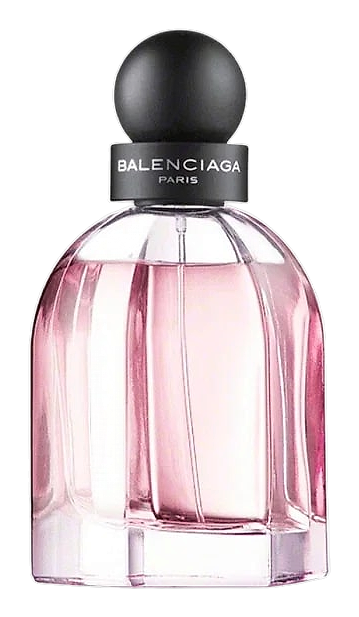
Balenciaga L'Eau Rose arrived in 2013, composed by Domitille Michalon-Bertier, with Olivier Polge contributing to the formula. The name itself does the work: rose water, rendered through a lens that favors cool clarity over dense sweetness. This is not a grand floral statement. It's a rose that knows restraint, dressed in a frame that feels modern even now. The rose at the center of perfumery has been used so often it can feel invisible, a note that disappears into expectation. Here it behaves differently, not because of overt subversion, but because of the company it keeps. Blackberry lends a dark berry edge where you'd expect bright citrus. Violet contributes a powdery, confectionery softness rather than the green, leafy quality rose fragrances often lean on.
The move that makes this work is the architecture underneath. Patchouli sits in the heart of the composition, giving the rose soil to root into without getting bogged down. Cypress in the drydown adds a cool, almost mineral edge that keeps the sweetness from going cloying. The whole structure is built to let rose breathe, to give it room rather than crowding it with competing florals. The eau de toilette concentration also shapes the experience: this is a lighter format, where the scent hovers close to skin rather than filling a room.
The evolution
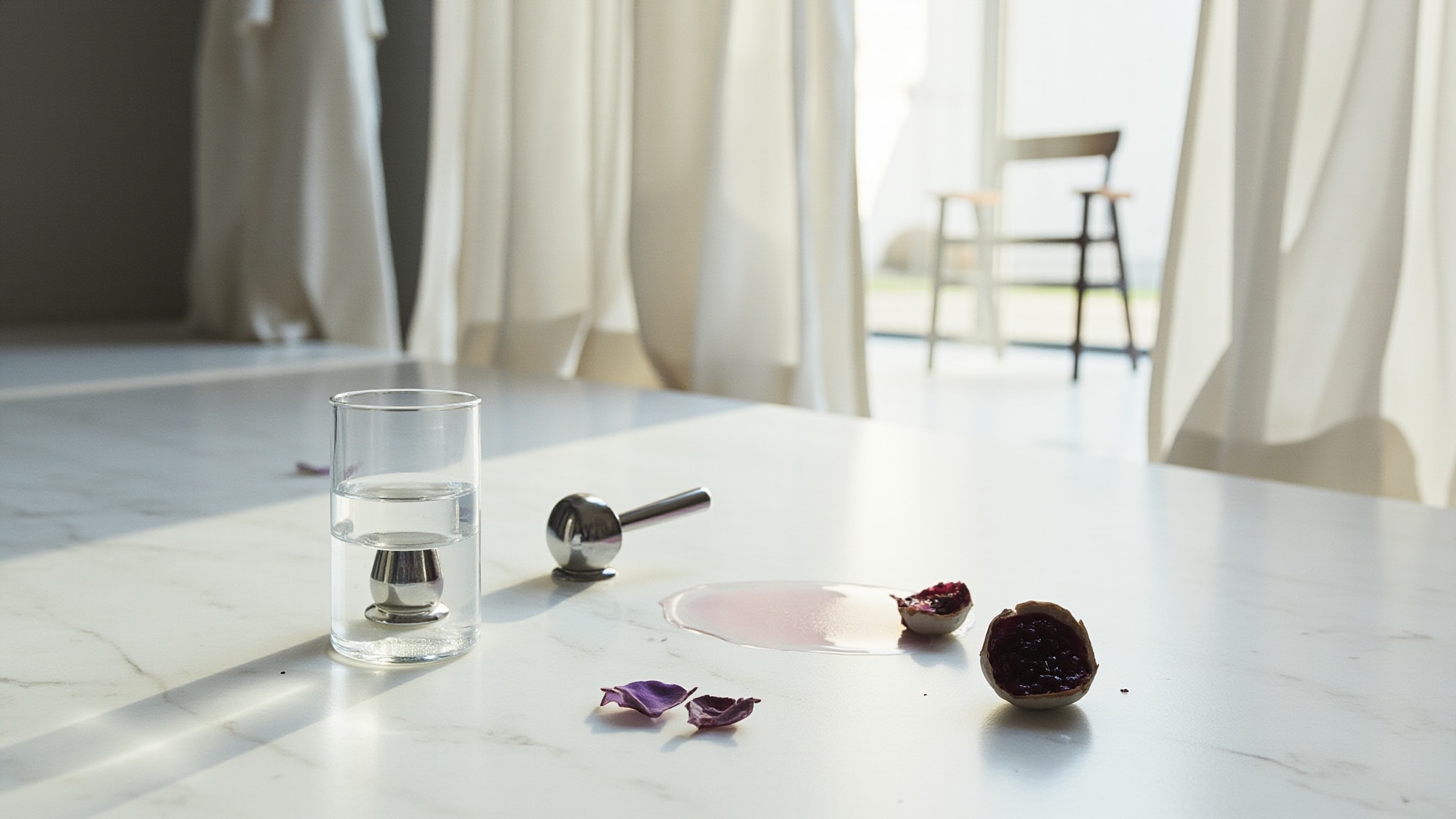
The opening is almost all blackberry, a dark, slightly jammy sweetness that feels more like a stain than a spray. Then the violet arrives, dusty and confectionery, like the inside of a violet bonbon wrapper. The rose surfaces shortly after, and it's a cool rose, not a dewy one, the kind of rose water you'd find in a marble bathroom rather than a garden. The patchouli underneath is felt more than smelled, a faint earthiness that keeps the composition from floating away. As the hours pass, the cedar and cypress take over, and the fragrance shifts into a quiet woody-musky close. On fabric, the rose tends to linger longer than the fruit, so scarves and collar tips carry a ghost of it well beyond the initial wear. The drydown is intimate, skin-close, the kind of scent you discover when you pull a sweater over your head the next morning.
Cultural impact
L'Eau Rose sits within Balenciaga's fragrance portfolio as one of the more accessible, wearable compositions, the kind of scent that performs well in close quarters without demanding attention. It's a rose fragrance that doesn't announce itself from across the room; it reveals itself gradually to whoever happens to be nearby. The composition draws on familiar notes, blackberry, violet, rose, patchouli, cedar, cypress, but arranges them in a way that feels considered rather than decorative. For those drawn to rose but wary of the more traditional, heavily sweet interpretations, this offers something cooler and more restrained.