
The Story
Why it exists.
The beginning
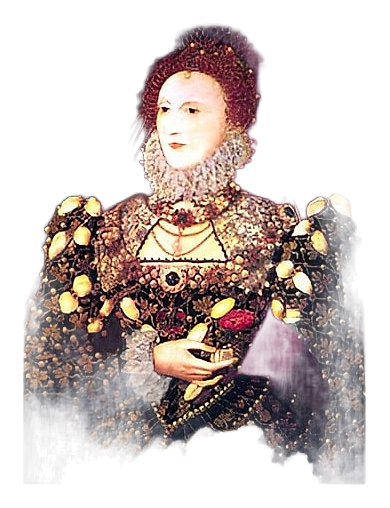
Queen Bess was composed by Serena Ava Franco and released in 2000, early in the Ava Luxe catalogue. The fragrance takes its name from Elizabeth I, the Tudor monarch who turned personal will into national spectacle. Franco built the composition around the idea of regal composure under pressure, a fragrance that wears like armor stitched from velvet rather than steel. The spice-laden opening channels that courtly grandeur, while the rose heart nods to the gardens and portraits that defined Elizabethan visual culture. It's portraiture in olfactory form, an attempt to bottle poise, intellect, and the particular confidence of a woman who never married because she preferred to rule.
What separates this from the thousand-and-one spicy rose fragrances on the market is the density of the spice stack. Clove, cinnamon, cardamom, and saffron hit in concert at the opening, each one demanding space. Bulgarian rose anchors the heart, supported by lavender and musk. Civet in the base adds an animalic edge that most modern compositions have stripped away. The combination is deliberate and old-world, closer to a 1980s extrait than anything on today's department-store shelves.
The evolution
The first hour is pure spectacle. Clove and cinnamon burn bright, the carnation underneath lending a peppery floral texture that catches the light. Bergamot offers just enough brightness at the top to keep the spice from choking the air. Around the 90-minute mark, the roses arrive in force. Bulgarian rose dominates, but lavender sneaks through the edges, cooling the composition just enough to keep it wearable rather than overwhelming. The civet begins its work here, adding a skin-like warmth that makes the whole thing smell less like a fragrance and more like a person. By hour four, the composition has settled into its drydown: patchouli, sandalwood, amber, and that persistent civet. The spice is still there, but it's been absorbed into the woody base, like embers buried in sandalwood ash. The fragrance holds close to the skin from this point, intimate but persistent.
Cultural impact
Queen Bess sits in a small category of fragrances that refuse to chase modern minimalism. It wears like a 1980s extrait because that's the register Franco was working in, dense, dramatic, and built for someone who wants their scent to do the talking. The civet note places it firmly in the old-school Oriental tradition, the kind of composition that defined luxury perfumery before the clean-skin trend took hold. It's a fragrance for collectors who want history on their skin, not novelty.