The Story
Why it exists.
The beginning
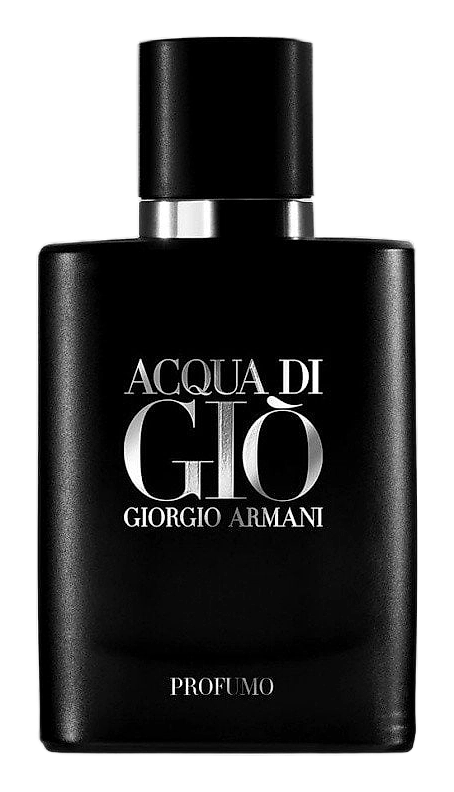
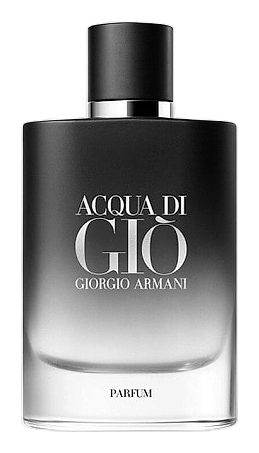
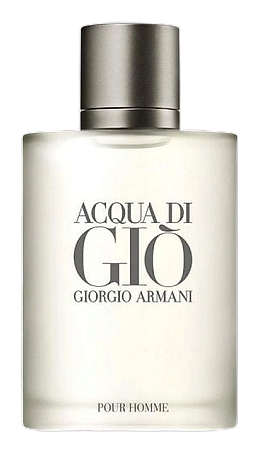
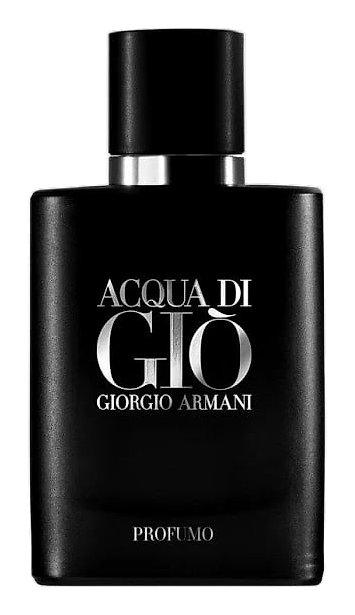
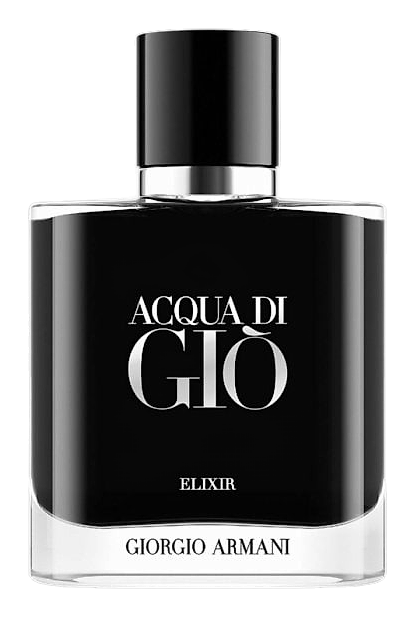
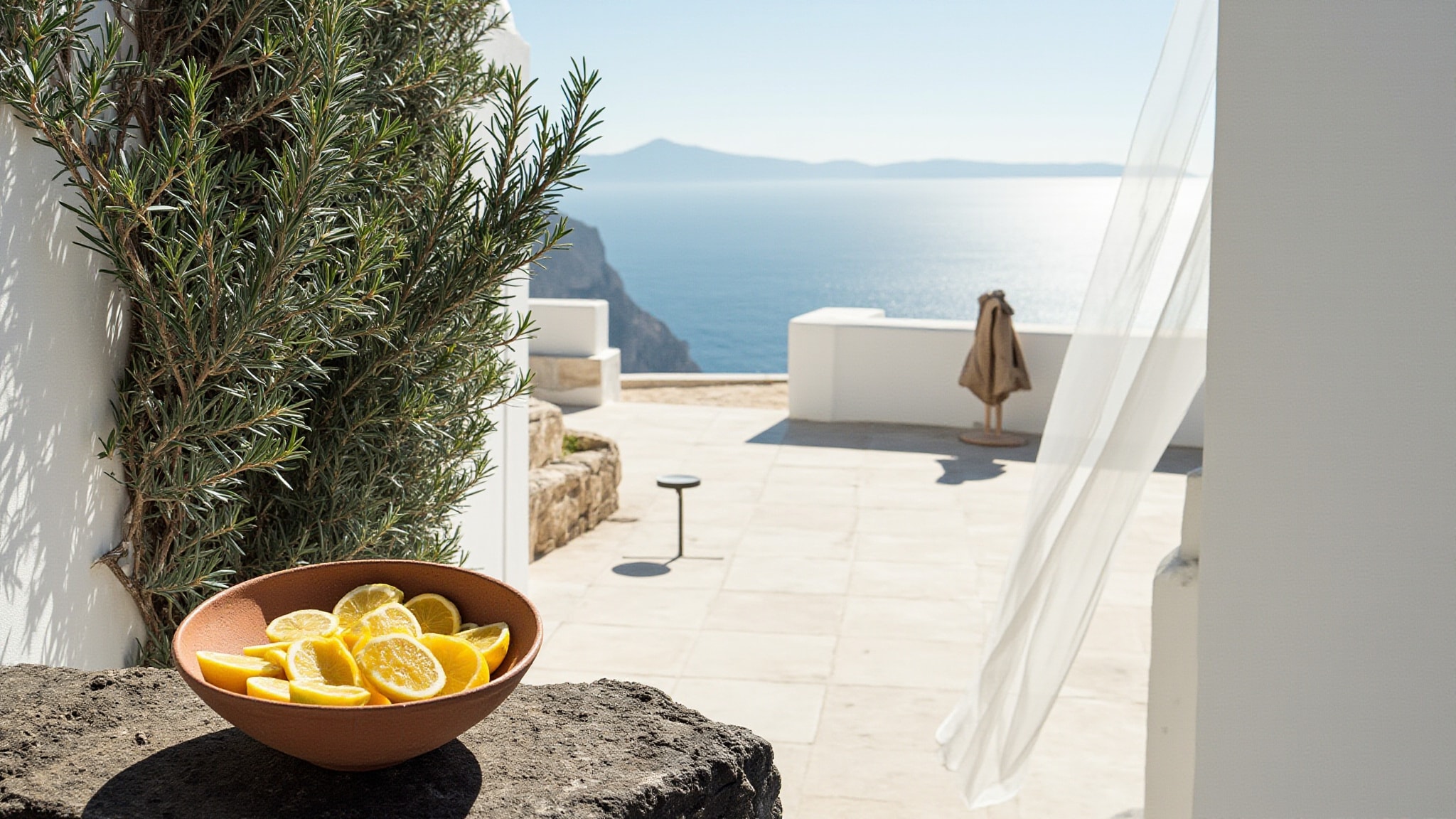
Pantelleria. An island off the coast of Sicily, black volcanic rock bleached white by sun, where the sea throws salt onto everything that stands still. Armani spent a vacation there and came back with an idea: bottle the feeling of that wind. He handed it to Alberto Morillas and asked for something that smelled like freedom in a place where the water meets the heat. The result landed in 1996 as Acqua di Giò, and the collaboration between Armani's instinct for mood and Morillas's gift for transparent composition produced something both elemental and composed, a scent that feels like it was always there, even on the first wearing. The opening carries that same saline brightness of a Mediterranean morning, the cool shock of salt spray hitting sun-warmed skin.
What makes this composition historically significant is its reliance on Calone, a synthetic molecule that produces that distinctive ozonic, almost metallic freshness, the smell of sea air that no natural ingredient quite replicates. Pair it with pellucid hedione, and the entire structure becomes something distinct. Calone does the heavy lifting on the marine accord, lending it that cold, clean, almost electrical edge that feels like wind off open water rather than a perfumer's approximation of it.
The evolution
The first ten minutes are all citrus and green. Lime, lemon, bergamot, neroli crash against each other like waves on stone, bright and sharp and almost too much. Then the marine notes arrive. Calone does its work, and suddenly the citrus doesn't disappear so much as get diluted, washed out by that cold, mineral sea air. The rosemary comes in underneath, adding a green herbal thread that keeps the whole thing from feeling synthetic. Jasmine and peach hover at the edges, making the marine accord feel warmer, more human, less like a laboratory and more like actual skin near actual water. Two hours in, the base settles: white musk, cedar, a touch of oakmoss, and that earthier patchouli anchoring everything. The drydown is quieter than the opening, drier, more woody-fresh than the aquatic blast of the first hour.
Cultural impact
Acqua di Giò sits in a category of its own: technically an aquatic, emotionally a Mediterranean cologne. It defined a style of masculine fragrance that countless other compositions have tried to emulate, the clean, transparent, ozonic structure that feels like sunlit water in a bottle. The composition earned its place by doing something few fragrances manage: it became a shared reference point, a smell that an entire generation recognized instantly without being told what it was. Wearers gravitate toward it because it asks very little. There is no performance to it, no challenging top note that has to be understood or appreciated.