The Story
Why it exists.
The beginning
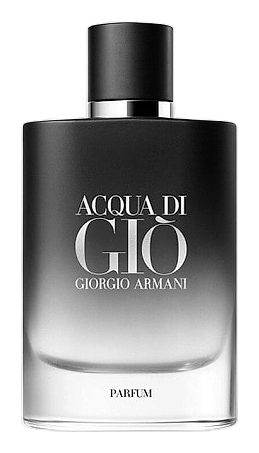
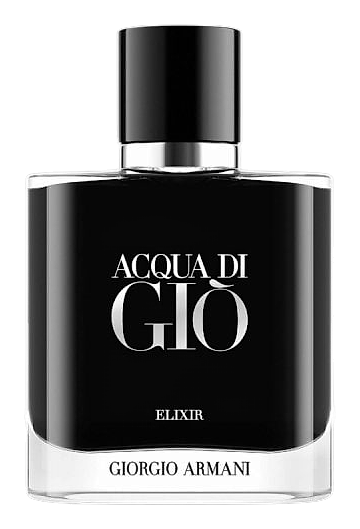
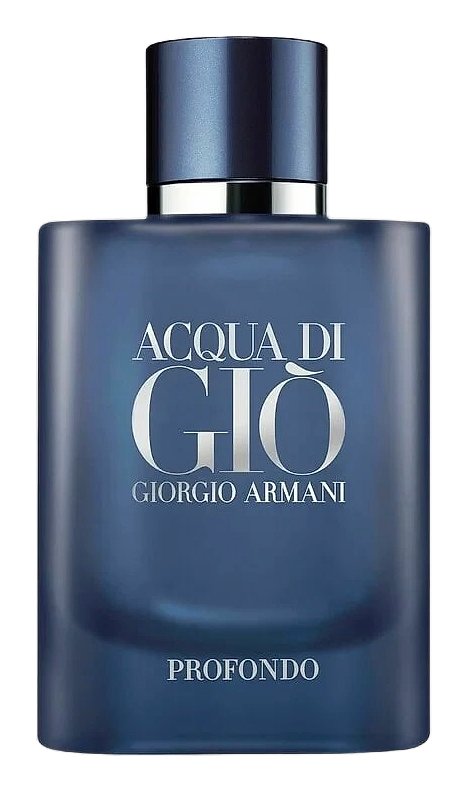
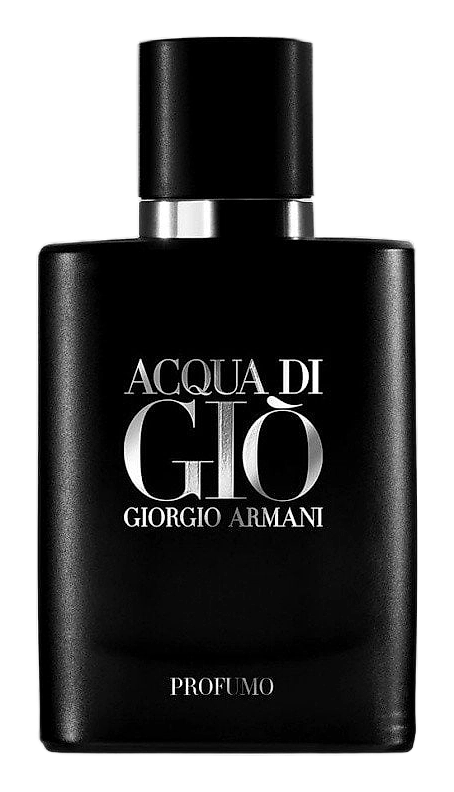
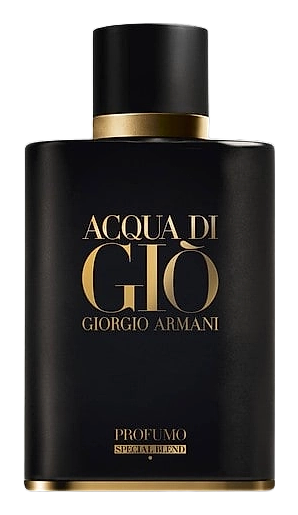
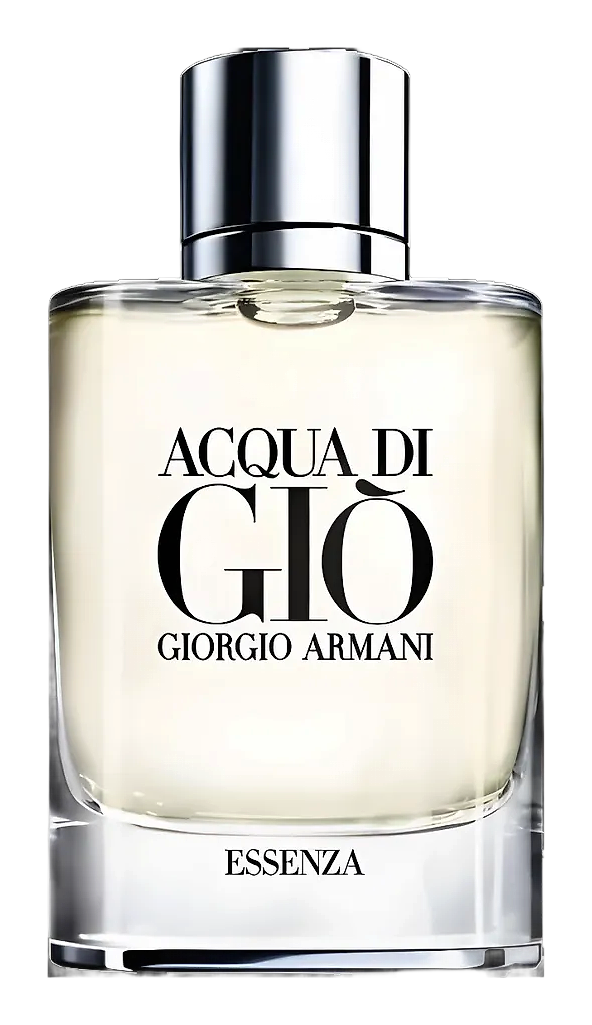
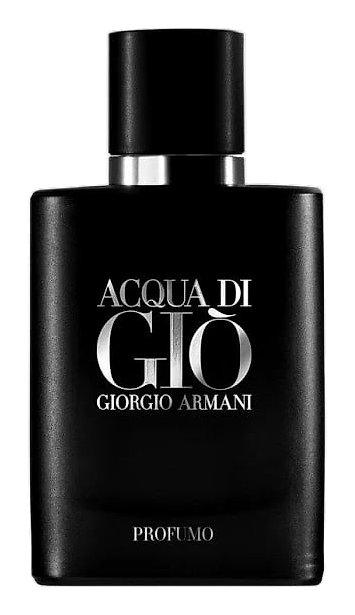
By the time Profumo arrived, Acqua di Giò had long since cemented its reputation. The pressure on any successor was considerable. Giorgio Armani's answer was to take the formula deeper, and the composition here reflects that instinct. Profumo belongs to the broader Acqua di Giò lineage, built around the same marine DNA but weighted with a darker, smokier architecture underneath. Alberto Morillas composed it, and the contrast is deliberate. Where the original reads bright and washed by sunlight, this version pushes toward shadow. The aquatic notes still carry the top, but they sink faster than you'd expect, pulled down by frankincense and a patchouli that reads more like smoldering wood than damp earth.
What makes Profumo interesting is the restraint in its darkness. The aquatic opening doesn't vanish, it simmers. The incense in the base is dry, not resinous. The patchouli is clean, not earthy-messy. Morillas built a fragrance that splits the difference between the shower-fresh original and something you'd wear to a dinner reservation, without leaning too far into either register. The aromatic heart of rosemary and sage is the connective tissue, the herbal hinge that keeps the composition from feeling like two separate fragrances taped together.
The evolution
The first ten minutes are pure breeze. Bergamot and that marine accord hit like stepping outside from a warm room, a rush of cool that's almost physical. Then the herbs arrive, rosemary first, sharp and green, followed by sage and geranium, which add a slightly leafy, almost medicinal lift. The spices in the opening don't announce themselves; they lurk. By the two-hour mark, the whole composition has shifted. The water recedes. What replaces it is frankincense, dry and liturgical, layered over patchouli that reads more smoked wood than damp earth. On skin, the drydown holds without much effort, the kind of staying power that comes from dense base materials rather than heavy dosage. The incense settles into a warm stoniness, and there's a quiet herbal ghost that refuses to fully disappear, even as the marine top notes long since evaporated.
Cultural impact
Profumo occupies a specific register that the original Acqua di Giò deliberately avoids. It carries incense and patchouli in a way that pushes it past the casual aquatic category, giving it a more formal gravity without tipping into the dense, syrupy territory of classic orientals. The fragrance reads as masculine but not in the aggressive, aromachemical sense; instead, it leans on frankincense and the clean edge of cedar to do most of the structural work.