The Story
Why it exists.
The beginning
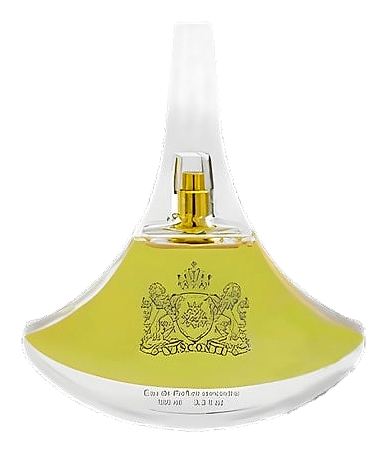
Clair de Lune borrows its title from a piece of music, a composition built on arpeggios that shimmer without ever raising their voice. The name carries that same hush. Antonio Visconti brings that sensibility to a women's floral that refuses to shout, a scent composed entirely around the idea of restraint. The release year for this particular composition is unknown, and production appears to have been discontinued, lending it the quality of something overheard rather than announced. Like moonlight itself, it depends on something else being there to catch it. The juice itself opens on a bright, almost architectural accord before softening into something powdered and warm, and the whole construction feels deliberate in its quietness.
What makes this composition distinctive is its restraint. The opening trio of bergamot, elemi, and lime reads bright and almost architectural, but it doesn't stay decorative for long. Mimosa and osmanthus take over the heart, and these are notes that demand a lighter hand. Mimosa brings that powdered, honeyed yellow quality without the green sting acacia sometimes adds, and osmanthus contributes its signature apricot-skin warmth, a fruity undertone that most florals can't fake. The pairing creates something almost tactile, less a bouquet and more a texture pressed against the skin.
The evolution
The first thirty minutes belong to the citrus. Bergamot leads with its characteristic lift, a cold-press brightness that's almost architectural, while lime cuts sharper underneath and elemi adds a peppery, slightly resinous edge that keeps things from going summery-soft. There's a green, almost twiggy quality in those opening minutes that some wearers describe as 'just-cut flowers,' though technically what's there is mimosa waiting in the wings. As the citrus begins to recede, the mimosa arrives in earnest. It arrives soft, yellow, powdery, more like a texture than a smell. Osmanthus threads its apricot-skin warmth through the mimosa, and together they create something that smells less like a bouquet and more like fabric that's been stored near dried flowers.
Cultural impact
Clair de Lune holds a particular position within the house's lineup. It's a composition that reads as the outlier, a departure in a catalog otherwise known for bolder statements. Rather than committing to the dominant white-floral territory of tuberose, gardenia, and jasmine-heavy constructions, it stakes its claim on yellow florals and a restrained, powdery heart. That choice alone sets it apart from many of its category peers, and the resulting composition feels less like a trend-following floral and more like a private argument for what a floral can be when it refuses to perform.