
The Story
Why it exists.
The beginning
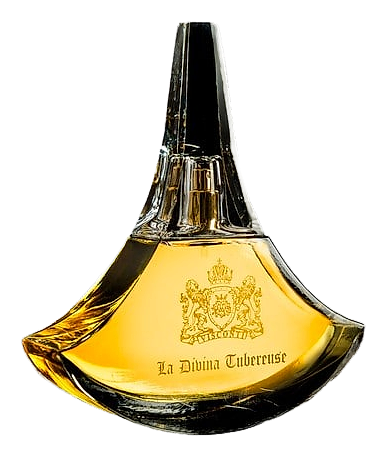
La Divina Tubereuse is Antonio Visconti's answer to a simple question: what happens when you stop trying to tame tuberose? The Italian house, rooted in Florentine leather-working tradition since 1857, has always understood that some materials demand respect rather than restraint. Here, the tuberose is allowed to be exactly what it is, narcotic, creamy, a little unsettling at first encounter. The name itself says everything: divine, not polite.
What makes this composition unusual is the structural choice to let tuberose dominate at two stages. It opens the fragrance and returns in the heart, creating a callback that mirrors how real tuberose behaves in nature, its scent shifts from bright and green when fresh to deeper and more animalic as the flower matures. The iris doesn't soften this so much as provide contrast: cool against warm, powdery against waxy. The cacao in the base is the surprise move, unexpected in a floral-forward composition, but it keeps the drydown from becoming merely sweet. Instead, there's a bitter edge that makes the vanilla and amber feel earned rather than obligatory.
The evolution
The bergamot-neroli opening reads green and citrus-bright for roughly thirty minutes, enough time to register, not enough to memorize. Then the tuberose arrives and doesn't negotiate. This is the phase that divides people: some find it overwhelming, others find it exhilarating. There's no middle ground here. After another hour, the iris emerges as a cool counterpoint, bridging the gap between the flower's waxy peak and the deeper base notes. The drydown brings cacao, labdanum, and immortelle together in something resinous and warm, with vanilla providing softness rather than sweetness. On skin, expect 8-10 hours. On fabric, it lingers overnight, the next morning, a faint warmth remains, like sun on garden stone.
Cultural impact
La Divina Tubereuse arrives at a moment when tuberose has firmly reestablished itself as a cornerstone of luxury perfumery after decades of cautious usage. Antonio Visconti's interpretation taps into a broader cultural fascination with white flowers that has defined the 2010s and 2020s fragrance landscape, following the template set by iconic predecessors like Fracas while carving its own niche within the niche fragrance revival. The fragrance participates in a conversation about Mediterranean identity in scent, responding to enthusiasts' growing interest in fragrance origins and craftsmanship traditions.