
The Story
Why it exists.
The beginning
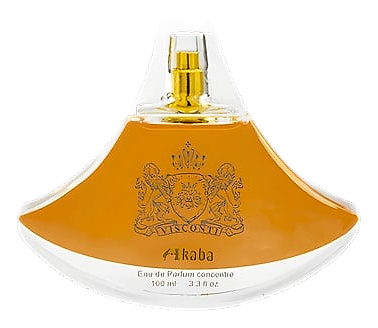
Akaba takes its name from an ancient trade route through the Arabian Peninsula, echoing Antonio Visconti's philosophy of aromatic heritage carried across borders and centuries. The fragrance was conceived to capture that sense of passage, something carried from one world into another, transformed by the journey. The unnamed perfumer behind this composition worked within the house's signature maceration process, allowing raw materials to mature before assembly. The result is a fragrance built on deliberate tension: bitter herbs against warm woods, sweetness against smoke. Akaba isn't a perfume that announces itself at the door, it arrives when the room has already settled in, and it stays after most have left.
What sets Akaba apart is the licorice. It doesn't appear in most woody-orientals, and in this composition it threads through the drydown rather than announcing itself upfront, present but never dominant, pulling the tobacco and vanilla toward something slightly anise-touched and cool. The artemisia in the opening amplifies that effect: herby, almost medicinal, it creates a sharp counterpoint to the warmth building beneath it. Then the oud and sandalwood arrive together, their resinous depth settling the fragrance into a character that reads as both grounded and slightly untamed. The tonka bean rounds the edges just enough to keep it approachable, never soft.
The evolution
The opening arrives quick and arresting. Lemon zest cuts bright for the first minutes, clean, almost astringent, before artemisia's bitter green immediately undercuts it. Patchouli emerges within ten minutes, earthy and dry, shifting the impression from bright to grounded. The transition into the heart phase is where the fragrance changes register entirely. Oud arrives quietly, then sandalwood layers in, and cedar fills the spaces between them. What seemed like a straightforward herbal-citrus opening now reads as something darker, more complex, the sweetness hasn't arrived yet, and the woods carry the full weight. The drydown is where Akaba earns its reputation for longevity. Tobacco surfaces first, warm and slightly smoky, followed by vanilla that blooms slow. The tonka bean gives it cream without sweetness overpowering. Licorice threads through in the final hours, pulling everything toward a skin-close warmth that persists into the next morning.
Cultural impact
Akaba arrived at a moment when bitter-herbal fragrances were rare in Western markets, with most oriental compositions leaning sweet and approachable. Its artemisia opening represented a deliberate artistic statement rather than a commercial calculation, appealing to collectors seeking fragrances that challenge rather than comfort. The fragrance found an audience among enthusiasts tired of mainstream woody-orientals and looking for something with genuine complexity and unexpected transitions. Its refusal to conform to prevailing trends positioned it as a collector's piece rather than a bestseller, attracting the kind of attention that builds cultural staying power in niche circles.