
The Story
Why it exists.
The beginning
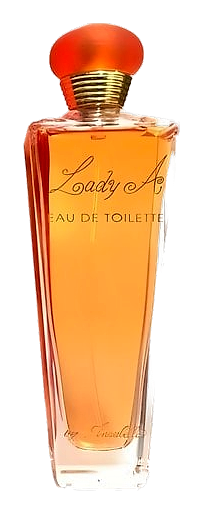
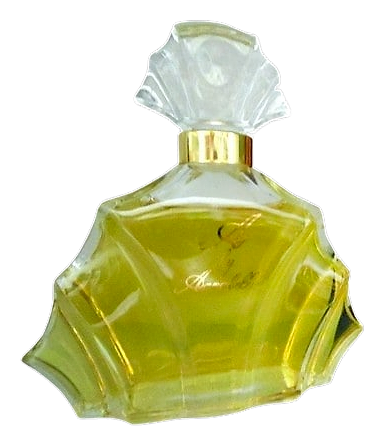
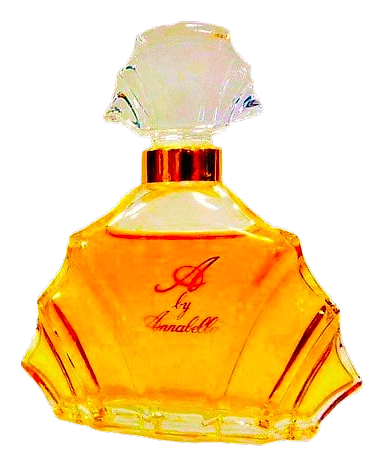
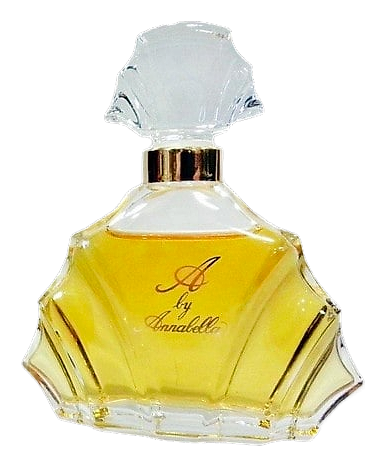
A by Annabella entered Annabella's catalogue in 1987 and arrived as an eau de toilette built around a striking vocabulary of aldehydic brightness, polished florals, and a chypre-style base. No perfumer is identified in the available record, so there's no reliable creative attribution to add. What can be read clearly is the intent of the composition itself: aldehydes and bergamot bring a polished gleam, hyacinth and rosewood shape the opening, while carnation, iris, jasmine, rose, tuberose, and ylang-ylang create a formal floral heart. Oakmoss, vetiver, amber, musk, and patchouli give that floral abundance a grounded finish.
The unusual part is the balance between seeming opposites. Aldehydes give A by Annabella a cool, almost polished sheen, while Brazilian rosewood sits beneath that brightness with its own distinctive character. The heart is expansive and formal, stacking iris and rose beside jasmine, tuberose, and ylang-ylang, but carnation introduces spice and a more pointed edge. That floral richness never floats away because the base is firmly grounded in oakmoss, vetiver, amber, musk, and patchouli. It's a late-1980s take on chypre: fresh at first, floral at center, earthy underneath.
The evolution
The opening begins with a crisp gleam, as aldehydes and bergamot meet coriander and hyacinth. Brazilian rosewood adds a darker note to that bright beginning, giving the scent a polished character rather than a simply fresh one. As it settles, carnation, iris, rose, jasmine, tuberose, and ylang-ylang unfold into a full floral center. The flowers bring softness and sweetness, but ylang-ylang and iris keep the arrangement poised, while carnation adds a faint peppery warmth. The drydown changes the register again: oakmoss and vetiver bring mossy soil and dry grass, amber warms the base, and musk and patchouli leave a soft, earthy trace. The result moves from polished brightness to floral warmth and finally to a dry, quietly sensual finish.
Cultural impact
A by Annabella presents a formal floral composition shaped by a polished aldehydic opening and a chypre-style structure. The listed notes move from aldehydes, bergamot, coriander, hyacinth, and Brazilian rosewood into carnation, iris, rose, jasmine, tuberose, and ylang-ylang, before settling through oakmoss, vetiver, amber, musk, and patchouli. Its historical character comes from this documented composition, while the available record does not support broad claims about reception or cultural influence.