

The Story
Why it exists.
The beginning
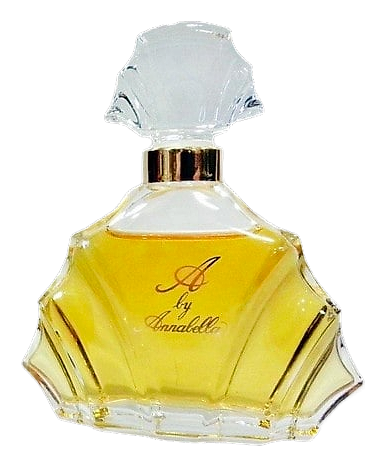
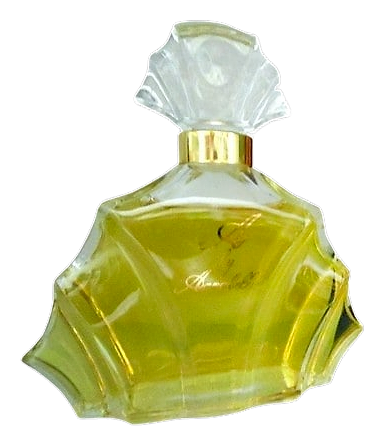
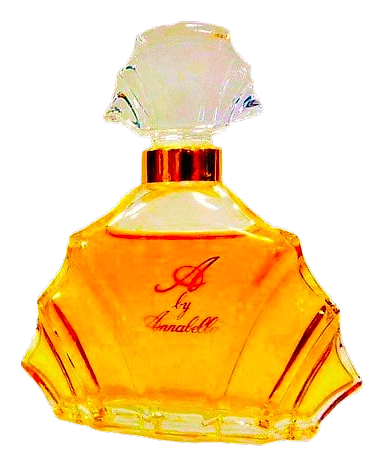
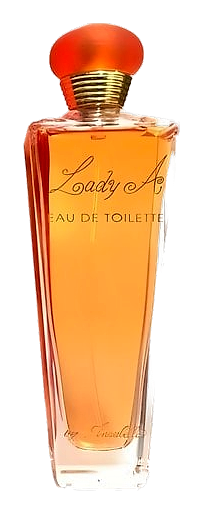
Lady A arrived in 1999 with a formal, almost stately title that gives no immediate hint of its less conventional composition. Rather than centering a single named bloom, the fragrance builds its identity around a broad floral character joined by amber. That pairing creates its defining tension: a lively floral surface set against warmth with a darker, more sensual edge. The floral accord supplies an airy, diffuse impression, while amber introduces depth and a rounded warmth as the scent settles closer to the skin. Together, they create a composition that feels balanced between brightness and shadow, with enough polish to remain composed and enough warmth to avoid seeming purely abstract.
The combination matters because wildflowers and amber are unlikely bedfellows. Flowers suggest air, movement, and irregular natural detail, while amber brings heat and a polished sense of skin. The listed floral, amber, fresh, herbal, and animalic accords reinforce that meeting point. Nothing here depends on one spectacular blossom doing all the talking. Instead, a diffuse floral idea creates freshness, and amber supplies weight, turning a bright composition into something closer to evening wear. That contrast gives Lady A its identity without requiring an elaborate backstory.
The evolution
Lady A opens with an airy floral impression shaped by the accord list, whose fresh, herbal, and floral notes suggest a bright, green atmosphere softened by daylight. The floral notes keep the first impression open and moving, almost too airy to pin down. Amber then changes the temperature. As the fragrance settles, that warmth becomes the clearer thread, lending the floral heart a deeper, skin-like finish and a gently sensual edge. The listed animalic accord adds a second layer to this shift, making the later scent feel less purely pretty and more bodily. By the end, wildflowers no longer smell freshly picked. They feel softened by heat, polished, and faintly intimate. As the composition develops, the floral character remains visible, but it becomes less like a standalone bouquet and more like a surface warmed from beneath.
Cultural impact
Lady A's 1999 release places the fragrance within Annabella's catalogue at a point when the name could move between different olfactory registers, including floral freshness, oriental warmth, and soft musk impressions. That context helps explain why Lady A feels neither narrowly floral nor wholly amber-dominant. Its composition combines a broad floral identity with amber warmth, creating a fragrance that can be read through contrast rather than a single defining motif. No documented reception or notable wearers are recorded, so its cultural footprint remains limited by the available information.