
The Story
Why it exists.
The beginning
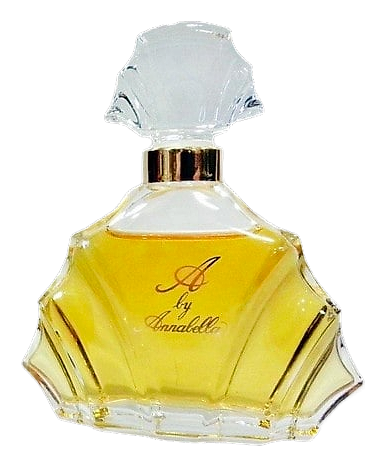
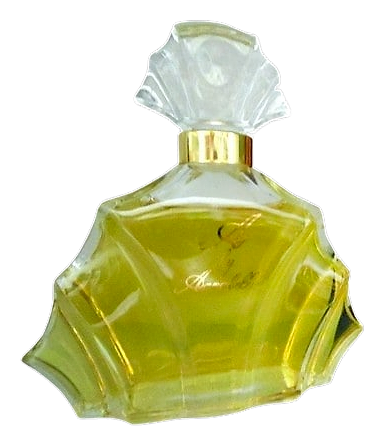
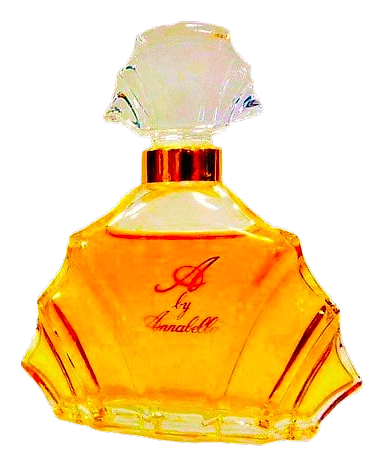
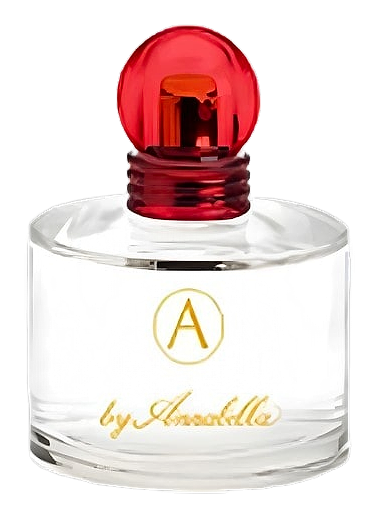
A by Annabella was launched in 2003, with a composition credited to Symrise. Its brief is clearest in the notes: bergamot and fruit create an immediate opening, while ylang-ylang contributes a smooth floral character. A heart of cyclamen, jasmine, and rose shifts the fragrance toward a polished floral center. Musk and woods bring it back toward the skin. There’s no documented inspiration beyond the note profile, so the scent itself tells the story. It is built around a familiar meeting point of citrus sparkle, white floral softness, rose romance, and a restrained musky base.
The striking part is the balance between brightness and intimacy. Bergamot keeps the opening clean and lively, while fruit prevents it from feeling overly citrusy. Ylang-ylang adds a creamy, slightly tropical edge before cyclamen, jasmine, and rose make the middle floral and powdery. The base is deliberately uncomplicated: woods give it weight, and musk softens the finish. This is an easy structure to understand, but not a dull one, because the contrast between the lively opening notes and gentle musky woods gives the composition a little tension.
The evolution
The fragrance begins with a quick lift of bergamot, fruit, and ylang-ylang, bright enough to feel almost immaculate. As those notes settle, cyclamen, jasmine, and rose take over, turning the air softer and more familiar. The rose does most of the talking in the middle, while jasmine gives it a clean white-floral lift and cyclamen adds a cool, powdery edge. Then the woods and musk arrive, reducing the brightness without flattening it. The result settles close to skin as a warm floral musk, more convincing after the first few minutes. The listed notes suggest a gradual shift from citrus and fruit to floral softness, followed by a quieter musky and woody finish.
Cultural impact
The available material places this 2003 release within a catalogue of fragrances defined by its listed notes: bergamot and fruit in the opening, cyclamen, jasmine, and rose in the heart, and musk and woods in the base. Its character can be explored through this progression from citrus brightness to floral softness and a quieter finish. The research provides no reliable reception history or broader market claim, so the composition and its catalogue context offer the clearest basis for understanding its place.