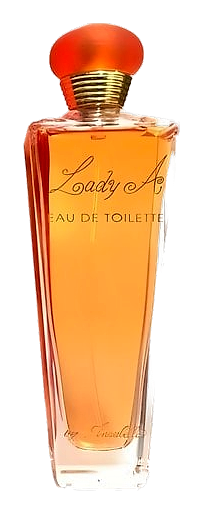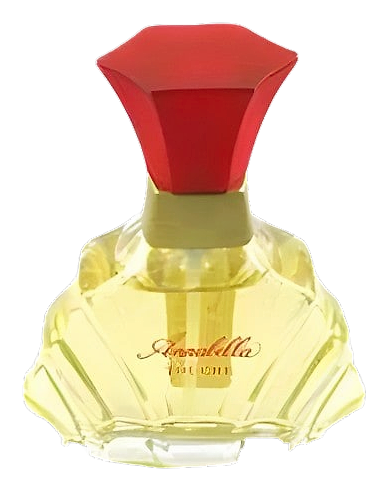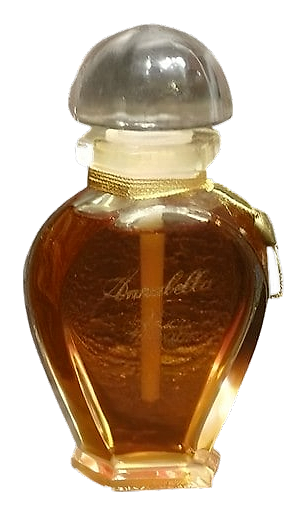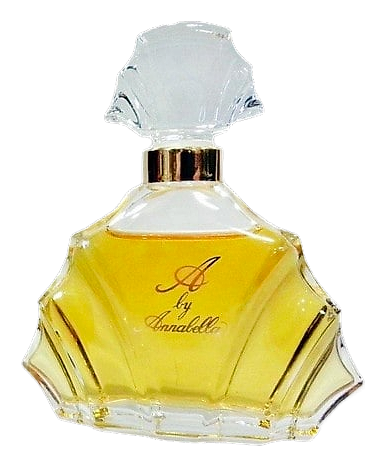

The Story
Why it exists.
The beginning
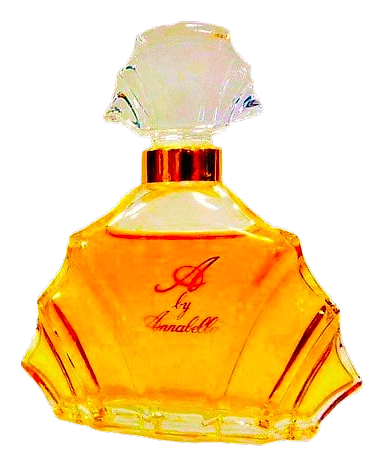
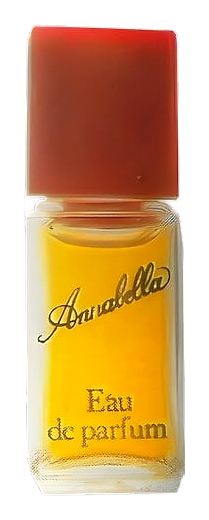
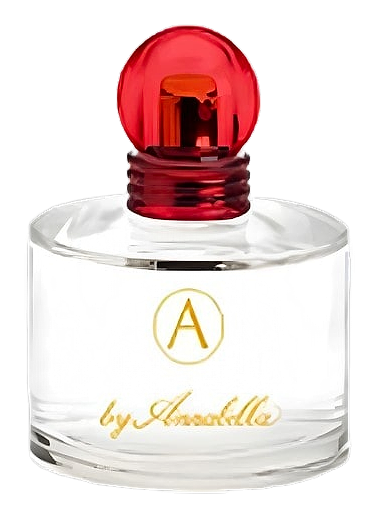
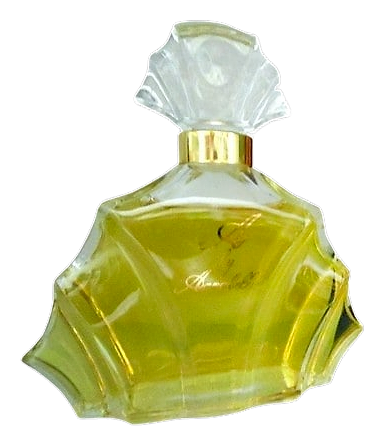
A by Annabella arrived in 1987 as an Eau de Parfum from an Italian fragrance name built around confident feminine glamour. The name itself is spare, almost like a signature: A, then Annabella. No named inspiration or perfumer is verified, so the composition speaks for itself. Aldehydes and bergamot establish a clean, polished opening, while coriander and Brazilian rosewood lend aromatic structure. Beneath that brightness sits a classic floral heart built around carnation, jasmine, iris, rose, tuberose, and ylang-ylang. Amber, labdanum, musk, oakmoss, patchouli, and vetiver give the fragrance an assured finish. Its attitude is poised, but not precious.
The interesting part is the handoff between materials. Aldehydes provide a cool, abstract lift, while bergamot adds a recognizable flash of citrus. The heart gathers several floral voices rather than letting one take over, moving from rose and jasmine into powdery iris and creamy tuberose. Then the base changes the temperature. Oakmoss and patchouli bring an earthy, almost mineral depth, while vetiver and amber give the finish weight. That contrast makes the composition feel less like a neat floral bouquet and more like flowers seen through a dark window.
The evolution
On skin, the opening begins with a clean, almost immaculate shine. Aldehydes sit beside bergamot, coriander, hyacinth, and Brazilian rosewood, creating a crisp aromatic surface before the florals make their entrance. The heart is fuller and more tactile: carnation, jasmine, iris, rose, tuberose, and ylang-ylang move from bright rose to polished powder and dense white floral warmth. As the fragrance settles, the base takes over with amber, labdanum, musk, oakmoss, patchouli, and vetiver. The earthy notes become the lasting impression, leaving a dry, green-brown shadow beneath the flowers. It smells less like a vanished garden and more like the garden after sunset.
Cultural impact
Annabella's documented identity sits at the meeting point of established Italian perfume history and a more contemporary Dubai association. This 1987 release belongs to a lineage that moved through floral, oriental, fresh, and soft musk impressions, with confident femininity treated as a form of composure rather than fragility.