The Story
Why it exists.
The beginning
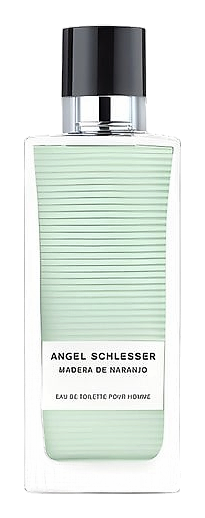
Madera de Naranjo translates, plainly, as "orange wood." Angel Schlesser released it in 2011 as part of the Sélection de Mémoires collection. The name signals the intention from the start: this is not a single-note citrus. The composition treats the orange tree as a complete subject, pulling together fruit, leaf, and wood into one coherent scent. Orange, lemon, and mandarin open with a brightness that reads as natural rather than synthetic, and petitgrain arrives quickly to add the green bitterness of leaves and twigs. Star anise threads through the top and heart, adding a cool, slightly sweet lift that keeps the citrus from feeling one-dimensional.
The structural choice here is the balance between fruit and wood, with neither dominating the composition. The orange, the lemon, the mandarin, they are vivid at the top, but they share space with petitgrain rather than standing alone. Petitgrain pulls in the leafy, twiggy bitterness of the actual tree, and star anise adds a cooling aromatic edge that keeps the citrus from collapsing into shampoo territory. The base, cedar and patchouli anchored by oakmoss, grounds the whole thing in something that smells less like breakfast juice and more like bark drying in warm air.
The evolution
The opening is almost rude about being fresh. Orange, lemon, mandarin, all of them pressing forward at once, and the composition announces itself with a clarity that feels deliberate. The petitgrain arrives quickly, bringing a green, slightly bitter edge, like biting into the stem end of an orange rather than the fruit. The mint stays cool, almost mentholated at the start, then pulls back as the composition settles. Star anise is the quiet surprise here. It threads through the green notes with a faint sweetness that never becomes licorice, and it sits in the middle of the composition longer than the top notes do. After the citrus fades, you're in the wood. Cedar and patchouli take over with oakmoss underneath, and the brightness that remains seems to come from the wood itself rather than from anything on top.
Cultural impact
Madera de Naranjo finds its audience among wearers who want citrus with structure, the kind of composition that holds its shape through a full day rather than dissolving into a bright but brief opening. Online, the fragrance gets clustered alongside other citrus-woody compositions because of its shared DNA, and fragrance databases frequently list it near releases like Hermès' Concentré d'Orange Verte and Terre d'Hermès Eau Très Fraîche in their algorithmic "similar to" suggestions. The appeal is clear: a citrus that doesn't quit halfway through the day, supported by enough wood and greenery to keep it grounded.