The Story
Why it exists.
The beginning
Thierry Wasser designed Angel Schlesser Homme in 2001 for the Spanish house rooted in Mediterranean sensibility, clean tailoring translated into scent. The official framing invokes an ancient and mysterious ritual: a smoky tea accord, citrus brightness, and white woods arranged into something both sophisticated and understated. Wasser built the composition around an unusual core of rice and vetiver, materials more often relegated to supporting roles in masculine fragrance. The goal was restraint with character, not restraint as absence. Bergamot opens. Everything else follows.
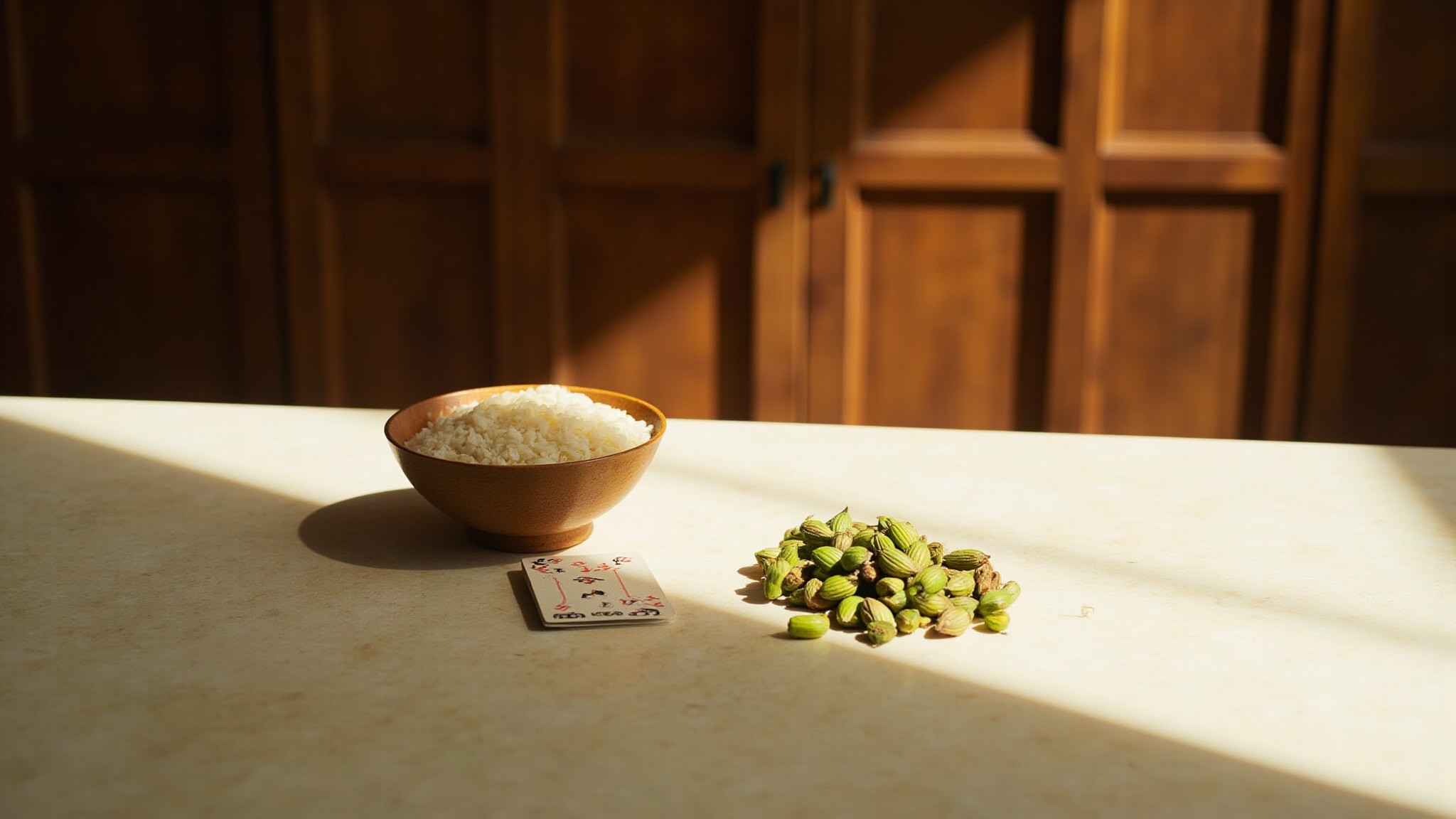
The rice is the tell. Rare in masculine fragrance, it brings a powdery, starchy warmth that softens the spice without adding sweetness. Combined with vetiver's earthy dryness and star anise's aniseed lift, the heart has an unusual green quality that sets this apart from the typical 2001 fougère. Cedar and sandalwood anchor the middle without heaviness. The result is aromatic without aggression, spice that doesn't shout, wood that doesn't overwhelm. It's the difference between a fragrance that performs and one that simply is.
The evolution
The bergamot hits first, bright, clean, gone within twenty minutes. Then the heart arrives. Cardamom and star anise arrive together, an unexpected pairing that reads as both sharp and green, the vetiver underneath keeping it honest. The rice softens everything, a quiet warmth that makes the spice feel edible rather than aggressive. By hour two, cedar and sandalwood take over, warm and close. The drydown is where this fragrance earns its reputation, fir and oakmoss grounded by white musk, still present eight to ten hours later. Moderate sillage throughout. Close encounters only. The kind of fragrance that someone notices only when you've already left the room.
Cultural impact
Angel Schlesser Homme occupies an interesting position among vetiver-forward masculine fragrances, not as aggressive as the 1970s fougères it references, not as safe as the fresh aquatic trend it predates. The unusual rice-and-anise heart has kept it in conversation for collectors who notice the difference between aromatic and merely aromatic. Wearers describe it as the fragrance for someone who found their own taste rather than following it.