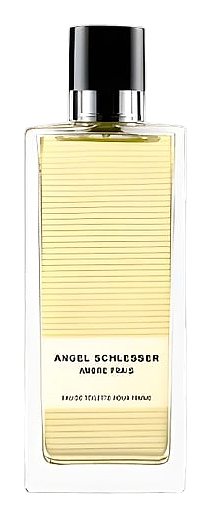
The Story
Why it exists.
The beginning
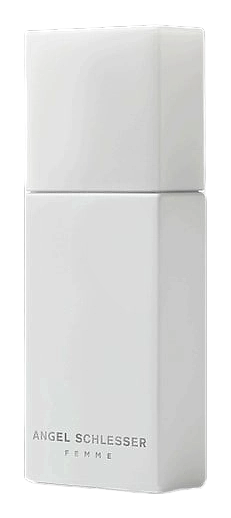
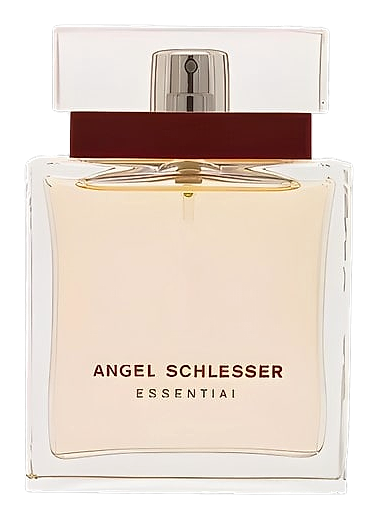
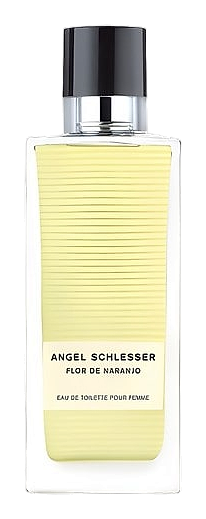
Angel Schlesser, in collaboration with Idesa Parfums, launched this in June 2011 as part of the Sélection de Mémoires collection, a series built around pleasant and refreshing notes of orange fruit and blossom. The concept: scents that "rejoice and enrich your soul." The Schlesser team turned to Ramon Monegal to compose the answer. Monegal took the brief and built a composition rooted in the orange tree itself, a single subject treated with the kind of focused attention usually reserved for far more complex briefs. What emerges is less a layered puzzle than a portrait of a fruit at every stage of its life on the branch, the bright peel, the waxy leaf, the delicate white blossom that clusters near the stem and perfumes the air for yards around.
What makes the structure interesting is the tension between the citrus top and the grounded base. Most orange-blossom fragrances lean either fully bright or fully indolic and creamy. Monegal split the difference. Galbanum, that sharp resinous green, acts as the wedge between the cold citrus burst and the warmer white florals below. It keeps the opening from being simply juicy. Meanwhile, oakmoss and patchouli in the drydown do the opposite job: they stop the florals from floating away. The vanilla here isn't the dessert kind. It reads warmer, almost wooden, a soft base that lets the orange blossom land somewhere real instead of evaporating into air freshener territory.
The evolution
The first ten minutes are nearly all citrus: bergamot, Amalfi lemon, orange, mandarin, and that persistent green thread of galbanum pulling through like wind moving through hedges. There's a snap to it, a brightness that feels outdoor-leaning rather than cocktail-glass. By the thirty-minute mark, the orange blossom begins to rise, and the composition's real character arrives. The orange flower here carries a honeyed warmth, undercut by rose and the cool green lift of lily of the valley. It's a clean white-floral phase, not a creamy one. Around the two-hour mark, the base materials start pushing forward. The cedarwood shows up first, then the oakmoss, which gives the drydown a slightly damp, forest-floor quality. Patchouli enters without announcing itself, more for support than statement. Vanilla softens everything from below. By hour six, what's left on skin is a quiet musk-and-moss echo with a trace of the orange flower still hanging on. The next morning, a faint sweet green trace survives on clothes.
Cultural impact
Flor de Naranjo finds its natural home in the world of understated daytime citruses, the kind of fragrances you reach for when you want something clean and present without filling a room. It wears as a fragrance for someone who wants to smell composed without performing effort, the kind of scent that registers as a quiet refreshment rather than a statement. On a warm day it behaves like a cool cloth pressed to the back of the neck, light enough to layer under anything else you might be wearing, focused enough to carry on its own when you want something simple.
The House
Angel SchlesserAngel Schlesser is a Spanish fragrance house that grew out of the eponymous fashion label founded in the mid‑1990s. The brand translates the designer’s Mediterranean roots into scent, offering a line that ranges from bright citruses to deep orientals. Over the past two decades the house has built a catalogue that includes Angel Schlesser Homme Oriental Edition (2009), Sublime Rose (2020) and the recent Ginger Cologne (2025). Each launch reflects a disciplined approach to ingredient selection and a quiet confidence that appeals to collectors who prefer subtle elegance over flash.
The Creator
Ramon MonegalMonegal favors a structural approach, building each perfume around a clear anchor note that grounds the composition. He often chooses Mediterranean citrus, Spanish rosemary, and rare woods such as cedar and sandalwood as foundations.