The Story
Why it exists.
The beginning
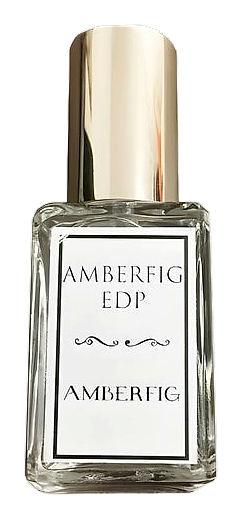
Amberfig launched in 2014, a young house with a single credited perfumer, David Magalhães. Two years later, in 2016, the brand released Amberfig Eau de Parfum, a composition that distilled the house's name into liquid form. The brief was direct: pair fig and amber and let the two materials carry the weight. Magalhães approached the formula with a perfumer's instinct for tension, staging fruit against resin without a grand narrative attached. The eau de parfum sits at the higher end of the house's concentration range, giving the formula room to develop slowly and stay close to the skin. Within the Amberfig catalog, it reads as the founding statement, the composition that set the template for everything that came after.
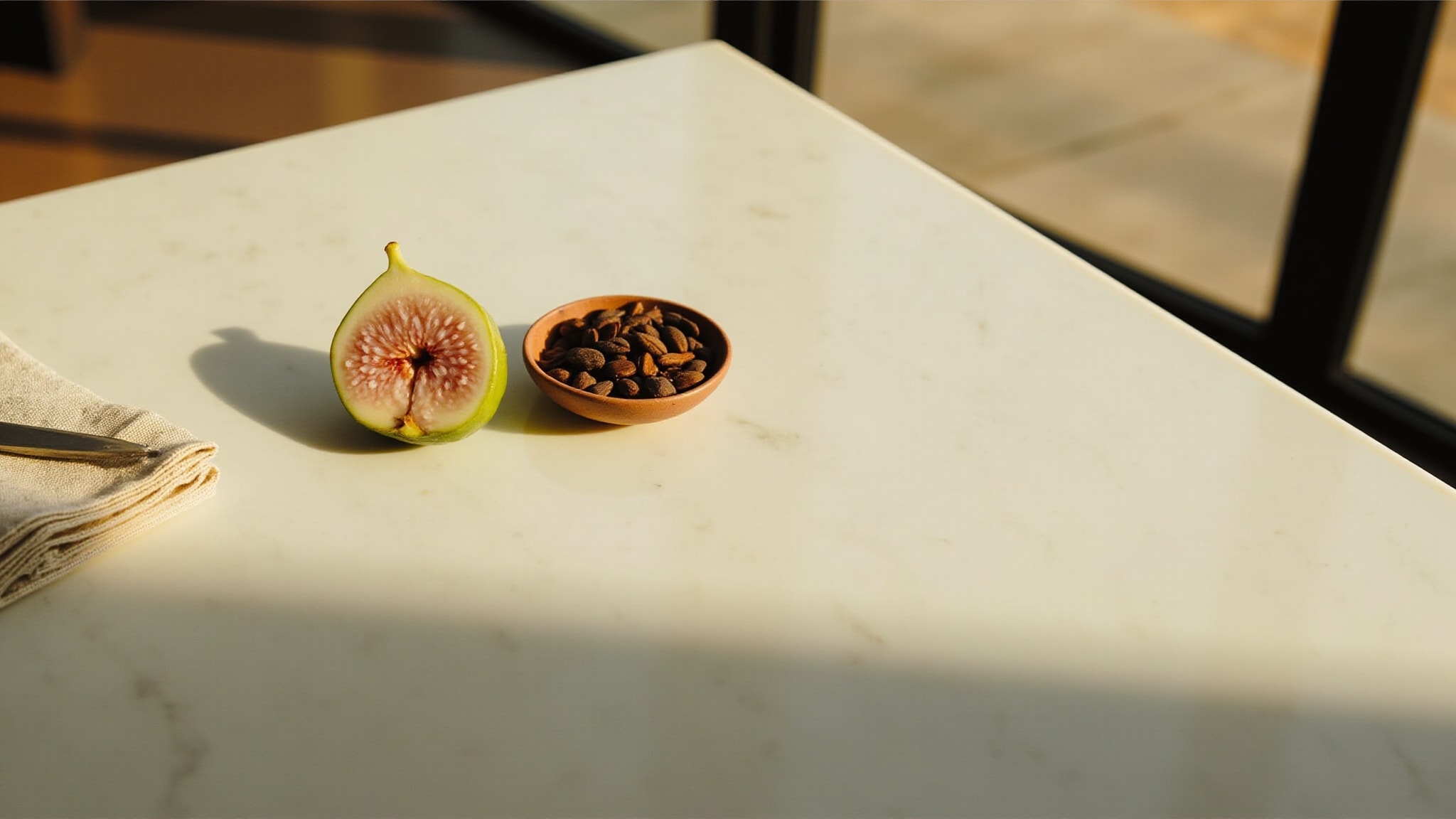
What makes Amberfig Eau de Parfum worth a second look is the structural restraint underneath what reads as pure gourmand. Galbanum sharpens the fig leaf so the green never collapses into syrup. Cacao and coconut lend sweetness without sugar, the coconut adding a creamy lactonic quality that softens the fruit without flattening it. Iris dusts the heart with powder, pushing back against the gourmand pull and adding a suede-like dryness that keeps the composition from becoming confection. The immortelle in the base is the unsung hero.
The evolution
The first hour is almost vegetal. Fig leaf and galbanum hit sharp and green, with bergamot and peach offering brief brightness before the fruit recedes. Then the coconut arrives, turning the composition warmer and rounder, and the iris and cacao start to fold into the fig's milky flesh. As the hours pass, the heart fully establishes itself: creamy, powdery, gourmand but held in check by the greener notes still humming underneath. What surprises most wearers is the immortelle, which surfaces later in the wear and pushes a maple-like, slightly savory warmth through the amber and tonka. The drydown is where the warmer materials take over. Amber and tonka settle into a resinous close, and the fig and immortelle leave a faint trace that clings to whatever the scent has touched, like a memory of the composition refusing to fully leave.
Cultural impact
Amberfig Eau de Parfum reads as a fig composition with backbone. Where many fig fragrances lean fully into jammy sweetness, this one keeps its green edge intact through the galbanum and fig leaf, and the coconut and cacao deepen the fruit without turning it into pastry. The immortelle adds a maple-curry savoriness that gives the base an unusual savory pull, setting it apart from the more syrupy fig compositions in the niche space. For anyone who has already explored the more obvious fig references and wants something with more architecture in the drydown, this offers a different angle.
The House
AmberfigAmberfig occupies a distinctive space in contemporary perfumery, presenting itself as a niche fragrance house with a collaborative approach to creation. The brand emerged in 2014, making it a relatively young player in a field that includes houses with centuries of history, yet it has built a catalog spanning over a decade with releases that range from 2015 through 2026. The name Amberfig itself suggests a signature aesthetic rooted in warm, resinous materials alongside green or fruity facets, though the house has demonstrated range across multiple fragrance families. According to fragrance databases, Amberfig has produced at least ten distinct releases, with perfumers credited as collaborators rather than house perfumers, suggesting a model that brings in external expertise for individual projects. The brand appears to operate without the extensive media presence of established heritage houses, instead building recognition through its olfactory offerings and community discussion. This positioning reflects a broader trend in niche perfumery where smaller, more experimental houses can reach global audiences without traditional retail infrastructure.
The Creator
David MagalhãesHis signature style leans toward rich, resinous constructions with prominent amber and fig influences, evident in creations like Amberfig. Magalhães demonstrates particular skill with warm oriental frameworks, layering creamy woods, sweet resins, and subtle spice to create fra…