The Story
Why it exists.
The beginning
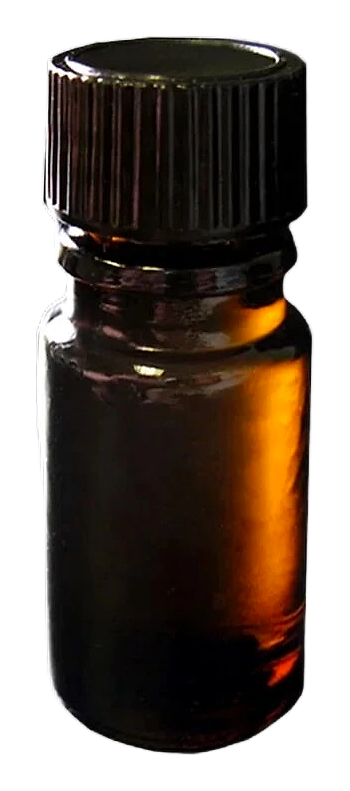
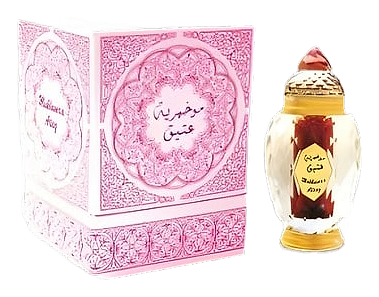
Mukhamria Ateeq is one of more than a thousand compositions from Al Haramain Perfumes. The Mukhamria line draws from the brand's perfume-oil tradition, the concentrated attar-style formats that have defined a large portion of the house's catalog. The name carries resonance. In Arabic, Mukhamria connects to the scented, the perfumed, the indulged. Ateeq suggests the classic, the time-tested, the rooted. Together the title reads less like a product name and more like a statement of intent: a fragrance built to feel familiar, even inherited. It belongs to the kind of scent designed to be worn close, in oil form, on pulse points, where the warmth of skin does much of the work. What the format encourages is a slower kind of wearing.
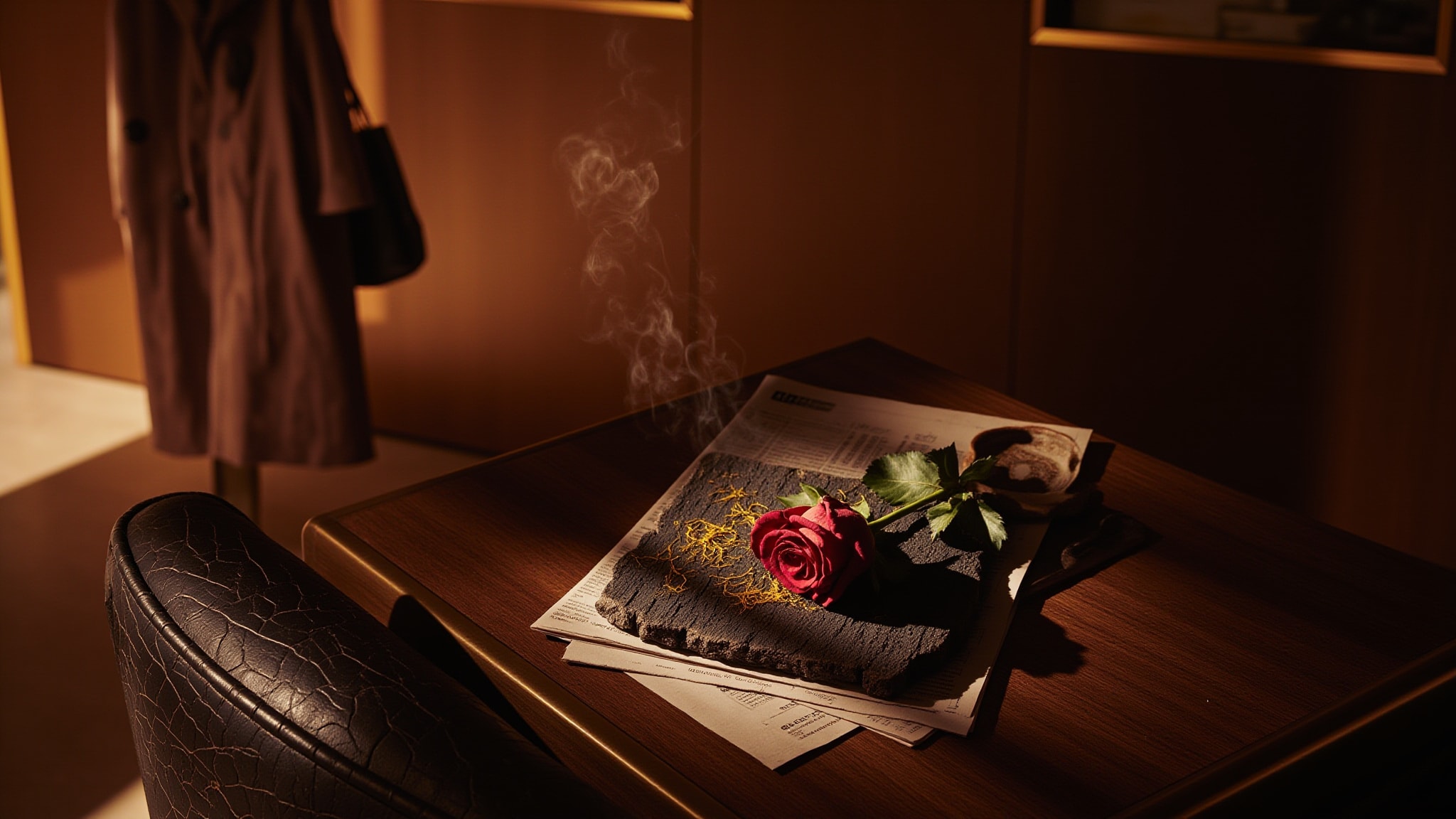
What separates Mukhamria Ateeq from the crowded oud-rose field is restraint. Black pepper and elemi do the bright work up top, but the heart is deliberately dusty. Labdanum and saffron create that resinous amber haze that defines the composition's central character. Violet threads underneath, adding the powdery lift that keeps the whole from collapsing under its own weight. The interplay here matters. The pepper and elemi don't shout so much as crackle, a brief flash of brightness before the resinous notes take hold.
The evolution
The first fifteen minutes are deceptive. Black pepper and elemi crackle at the surface, almost bright enough to read as a fresh spice fragrance. Rose appears early, softened by the elemi's lemony resin, and for a brief window the whole thing feels lighter than expected, almost airy by the standards of what follows. Then the heart arrives and the temperature shifts. Saffron threads through labdanum, creating that warm, slightly bitter, slightly sweet haze that defines the composition's most distinctive phase. Violet adds a powdery cool underneath, and there's a moment where the fragrance feels like it belongs to several different traditions at once, classical Arabian perfumery sitting comfortably next to something more European in sensibility. This is the phase where the fragrance stops being one thing and becomes several. It smells ancient and current at the same time.
Cultural impact
Mukhamria Ateeq sits firmly within the Arabian perfume-oil tradition. This format has long shaped how certain compositions are worn and experienced, applied in small doses rather than sprayed broadly into the air. The scent itself carries the weight of its ingredient list. Oud, saffron, labdanum, rose, violet, sandalwood, amber, white musk. These are materials with deep histories in Arabian perfumery, notes that have been combined and recombined across generations. Mukhamria Ateeq offers its own arrangement of them, one that prioritizes balance and restraint over overt display.