The Story
Why it exists.
The beginning
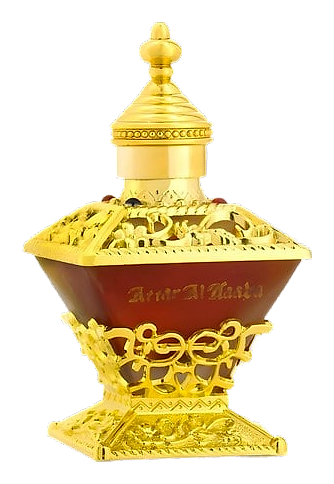
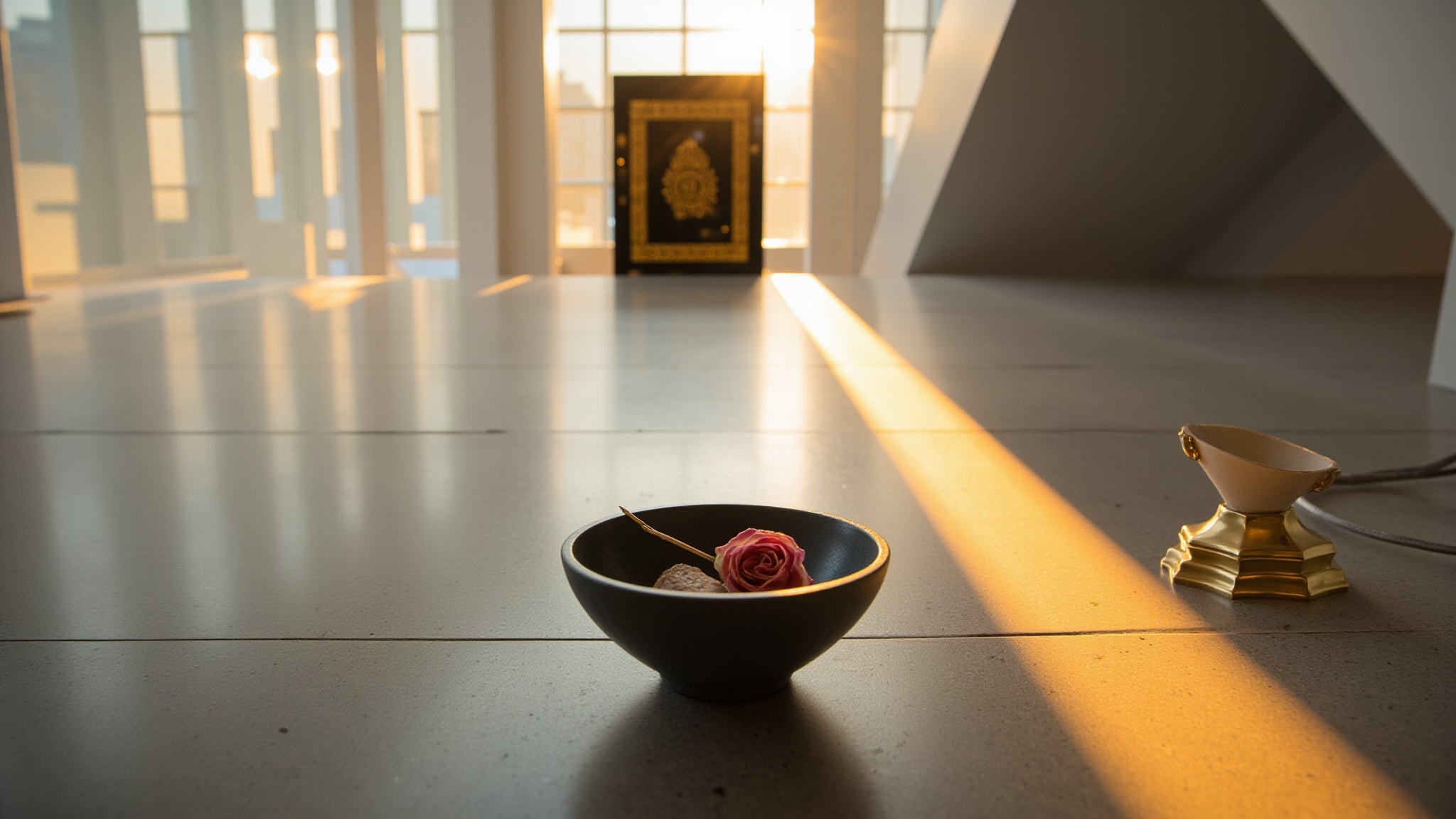
The name says everything. Attar Al Kaaba draws its identity from the cube at the center of Makkah, the direction toward which over a billion people turn each day. The fragrance doesn't merely reference that geography. It attempts to translate it. The box itself mirrors the Kaaba's black drape, embroidered with Quranic script in gold thread. This is not decoration. It is devotion made visible, then made wearable. Al Haramain crafted this as a concentrated oil, alcohol-free, designed to layer into skin rather than project across a room. The choice of format matters. Spray fragrances claim space. Oils inhabit it. This is the difference between a announcement and a presence, and for a fragrance named after the holiest site in Islam, that distinction carries weight.
The note structure tells you something about intent. Saffron leads because saffron belongs to the Arabian Peninsula, it grows in the same latitudes as Mecca, harvested under the same harsh sun. Bergamot and citrus follow, offering brightness, but the composition doesn't stay bright. It pivots. The heart introduces Taif rose, grown in the mountains above Taif, and caramel, a sweet counterweight that prevents the florals from reading as delicate. The base is where intention becomes conviction. Oud anchors the drydown, but it's the combination with amber, sandalwood, and musk that makes this composition distinctive. Each material amplifies the others. The oud gains warmth from the amber.
The evolution
The opening announces itself. Saffron's sharp, almost camphorated quality cuts through before the citrus arrives to soften the edges. Bergamot, orange, lemon, a brief brightness, three to five minutes, then the florals begin their work. Ylang-ylang adds a creamy undertone that keeps the citrus from reading as clean. The heart develops over the next hour. Taif rose dominates, dusty, intense, the way roses smell in dry heat rather than damp gardens. Caramel arrives quietly, threading sweetness through the florals without overwhelming them. Lily of the valley and jasmine add complexity, but they're supporting players. The drydown belongs to oud. It settles into the composition and stays. Sandalwood smooths its edges. Amber adds resinous warmth. Moss grounds everything, preventing the drydown from reading as purely sweet. Eight to ten hours on most skin. The sillage is strong in the first two hours, then intimate, close enough to notice, far enough to let people lean in.
Cultural impact
Fragrances named after sacred sites occupy a specific space in perfumery, they appeal to wearers who want meaning alongside scent, devotion alongside aesthetics. Attar Al Kaaba draws those who understand what the Kaaba represents, and those who are simply drawn to its aesthetic weight: the black-and-gold packaging, the gravity of the name, the oud-rose combination that signals depth without pretension. The oil format matters here. Concentrated perfume oils appeal to a different sensibility than sprays, they're intimate rather than declarative, worn close rather than announced. For a fragrance named after a site of pilgrimage, this intimacy feels appropriate. The wearer who chooses Attar Al Kaaba isn't trying to fill a room. They're trying to carry something.