The Story
Why it exists.
The beginning
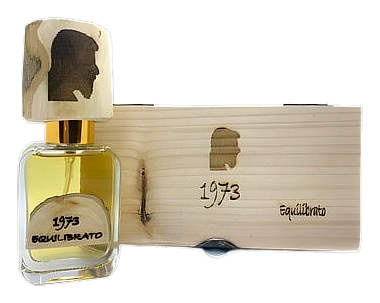
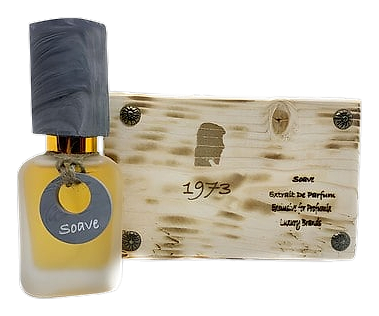
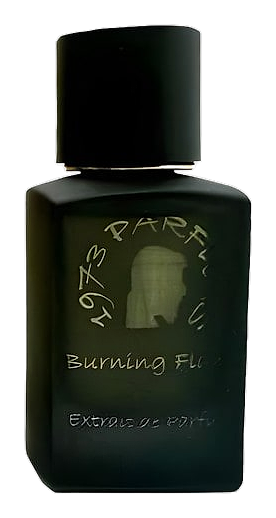
Rosario Cerullo built Burning Flame in 2023 as a study in contrast: the kind of fire that doesn't consume so much as illuminate. Released under the 1973 Parfums banner, the composition pairs oud and Turkish rose, two of perfumery's heaviest hitters, against a surprisingly bright opening of bergamot, neroli, and saffron. The intention reads as deliberate tension, citrus and spice leading into something far more shadowed. It's not a gourmand. It's not a quiet floral. It sits in the space between incense and ember, made for skin that runs warm in cold rooms.
What makes Burning Flame structurally interesting is the decision to front-load brightness before the oud arrives. Most oud-led compositions announce their gravity within minutes. This one lets neroli and bergamot hold the first stretch, saffron threading heat underneath without tipping into sweetness. By the time Turkish rose enters, the composition has already earned its complexity, and the oud that follows reads as deepening rather than declaration. It's a patience play, and in a genre that often shouts from the top, the restraint lands.
The evolution
The first 20 minutes are deceptive. Bergamot and neroli arrive almost politely, bright and clean, with saffron underneath humming like a wire. Then the saffron climbs. Turkish rose steps in around the 30-minute mark, and the oud follows close behind, not announced but accumulating, like smoke filling a room you didn't notice was burning. The heart holds for a solid two to three hours, rose and oud trading the lead while peony adds a cooler floral note that keeps the composition from collapsing into pure resin. Past the four-hour mark, the top notes are gone. What's left is oakmoss and patchouli wrapped around vetiver and precious woods, drier, earthier, more contemplative. On fabric the next morning, you get the woody base still humming, faint but unmistakable, like a room that remembers a candle was lit.
Cultural impact
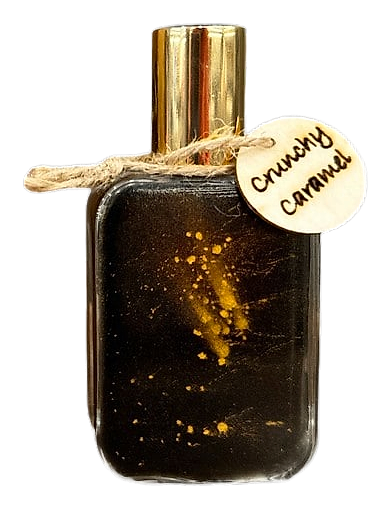
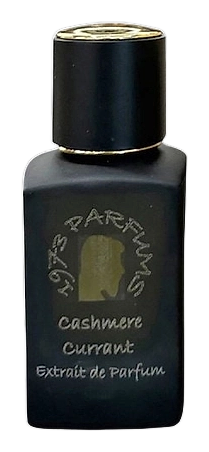
Within the 1973 catalog, Burning Flame stands clearly apart from the brand's gourmand-leaning releases like Crunchy Caramel and Cashmere Currant. Where those fragrances lean into sweetness and edible warmth, Burning Flame pulls in a different direction entirely, built around resinous depth and a drier, more contemplative profile. It carries an evening-appropriate weight without tipping into costume, reading as grown-up and grounded rather than playful or indulgent. The opening crackles with a smoky intensity that recalls smoldering wood and dark balsamic edges, then gradually cools into something warmer and more intimate as the hours pass.
The House
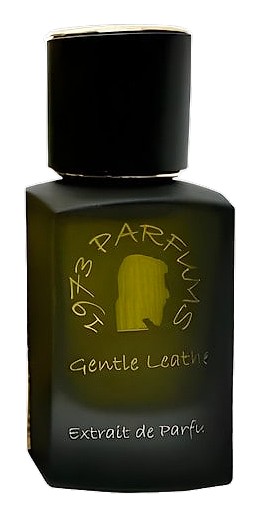
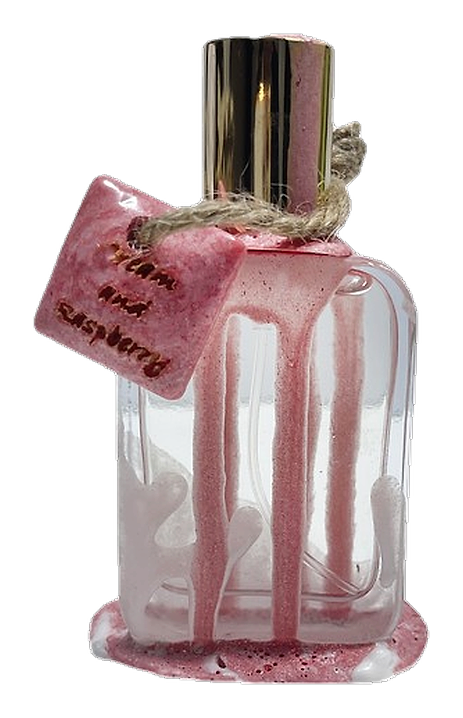
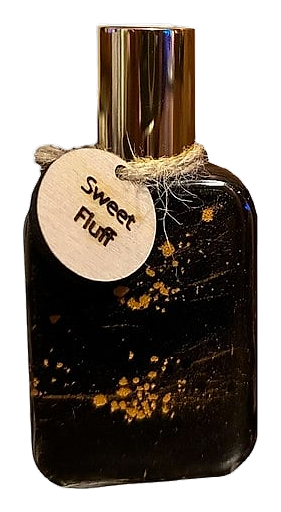
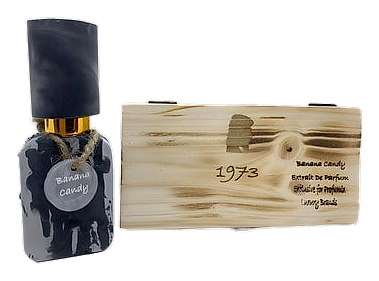
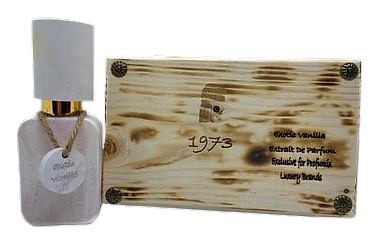
19731973 Parfums is a niche fragrance house that positions itself at the crossroads of gourmand nostalgia and modern minimalism. Launched in the early 2020s, the brand draws its name from the pivotal year 1973, a landmark moment in perfume regulation and cultural shifts, and translates that heritage into a line of limited‑edition scents that feel both familiar and freshly imagined. Recent releases such as Cashmere Currant, Crunchy Caramel and Sweet Fluff showcase a playful yet disciplined approach, while earlier offerings like Cuir & Pear and Gentle Leather reveal a commitment to texture and contrast. The house works through the Profumix distribution network, allowing collectors worldwide to discover its compact catalogue without the clutter of mass‑market noise.
The Creator
Rosario CerulloRosario’s signature technique centers on juxtaposing sugary top notes with grounding base elements. Cotton-candy, marshmallow, or spun-sugar often introduce a bright opening, while amber, benzoin, or soft woods provide a lingering finish.