
The Story
Why it exists.
The beginning
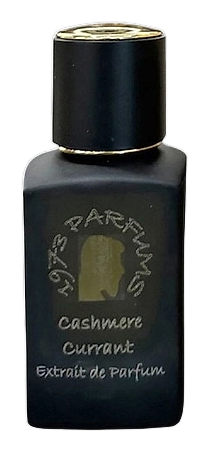
Cashmere Currant emerged in 1973 from the mind of Rosario Cerullo, who wanted to translate the tactile comfort of a cashmere sweater into scent form. Inspired by the year that gave the brand its name, the perfumer paired the sharp, dark bite of blackcurrant with the sunny sparkle of mandarin orange to build a bright, tart opening. The suede, violet, and patchouli in the heart were chosen to evoke the powdery softness of fabric, while cashmere wood and amber in the drydown complete the translation of cashmere's warmth into olfactory form. The name is not a metaphor. It is the brief.
The goal was softness against the skin, and suede was chosen as the note that would create that second-skin sensation. Jasmine and patchouli support the suede, adding depth without pulling the fragrance toward sweetness. The cashmere wood in the drydown bridges the gap between the warm heart and the skin-close finish, ensuring that the entire composition feels unified rather than disjointed. This is not a fragrance built for sillage hunters. It is built for people who want to smell like they are wearing something soft.
The evolution
The fragrance begins with blackcurrant and mandarin orange creating a bright, tart opening that feels energetic and direct. As the citrus fades, suede and violet introduce a softer, more intimate character, with jasmine and patchouli deepening the heart into something warm and layered. Amber and vanilla arrive in the drydown, wrapping the composition in softness while cashmere wood, oak, and cedarwood provide the structural warmth that anchors the entire experience. The arc moves from bright effervescence to close comfort, finishing with a warmth that sits against the skin rather than projecting into a room.
Cultural impact
Since its 1973 debut, Cashmere Currant has been noted for its seamless blend of fruit and leather, earning comparisons to Tom Ford’s Tuscan Leather and Widian London’s Leather Accord. Wearers often cite its ability to transition from a lively cocktail hour to a relaxed after‑dinner setting, making it a favorite for city‑dwelling creatives who appreciate a scent that feels both nostalgic and contemporary. Its moderate sillage and four‑to‑six‑hour longevity have secured a steady niche following among those seeking understated sophistication.