The Story
Why it exists.
The beginning
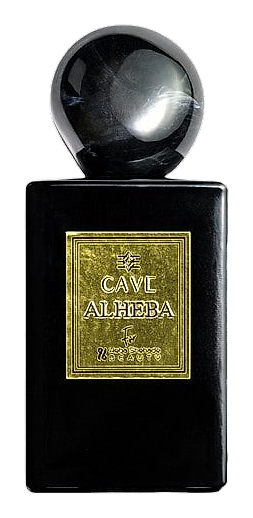
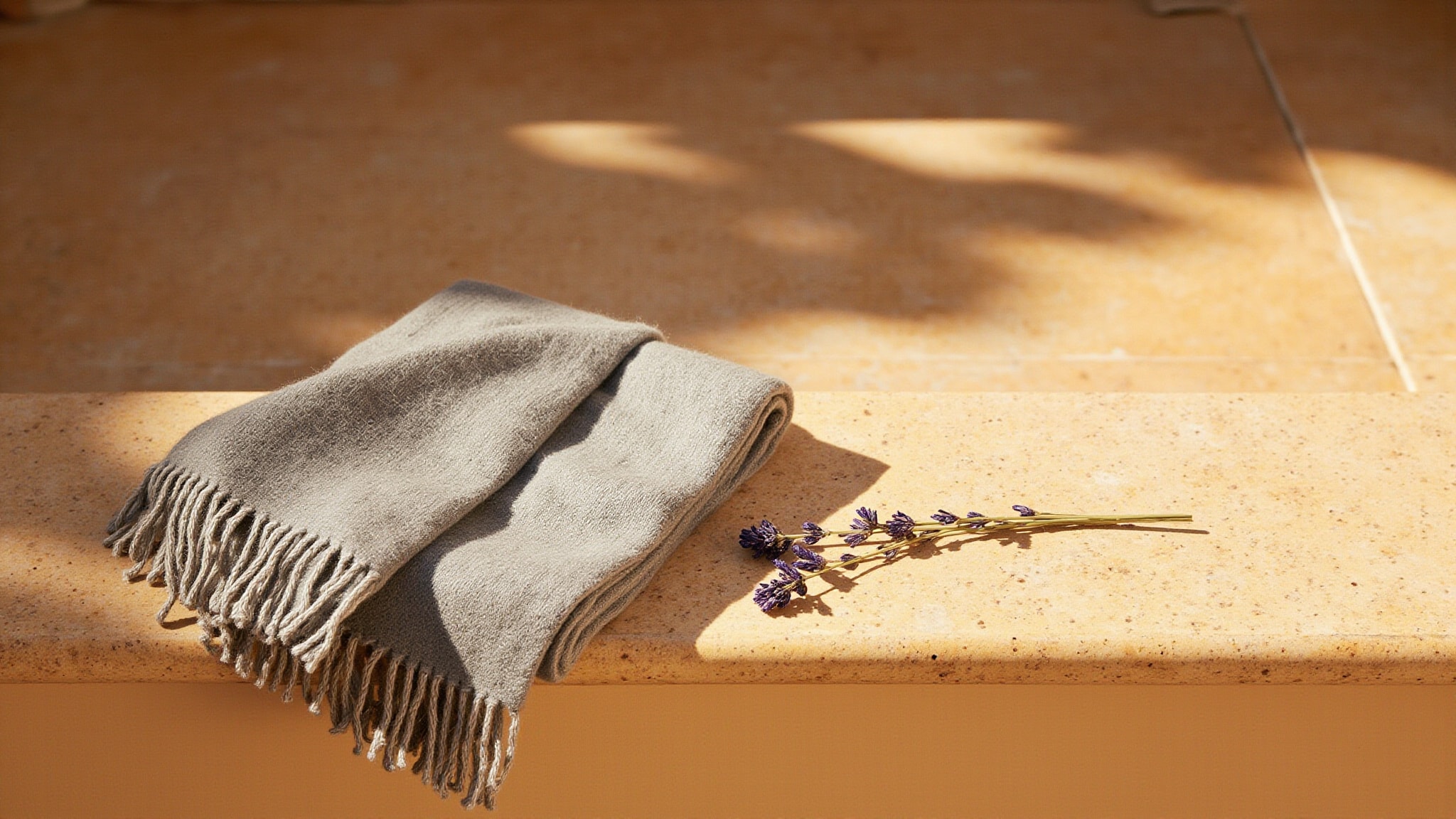
Alheba takes its name from the Arabic word for gift, al heba. It is, first and foremost, an act of giving translated into scent. The brief was deceptively simple: build a bridge between East and West using only aromatic materials. The perfumer turned to Rome as an unlikely meeting point, the Eternal City where Mediterranean light falls across ancient stone and the air carries both incense from old churches and the mineral warmth of afternoon sun on tile. The fragrance is named for what it represents: an exchange, a crossing, something offered across a divide.
The composition needed to feel neither Eastern nor Western, but somehow both at once. That meant starting with materials that carry cultural weight on both sides of the Mediterranean. Elemi provided the citrussy-resinous brightness that reads as Mediterranean morning. Labdanum added its sticky, almost animalic warmth. Incense brings its smoky, aromatic presence to the blend. Cashmere wood and white musk in the heart create something soft, almost textile, the idea of an embrace rather than a statement.
The evolution
The opening is smoke and light. Incense rises through elemi's bright citrussy resin, labdanum adding its sticky, almost animalic warmth beneath. At first, Alheba reads almost sacred, the kind of scent you'd expect in a stone church or a sunlit souk. Then the lavender arrives. It doesn't replace the incense so much as soften it, fold it into something more personal. Cashmere wood and white musk wrap around the sharp edges, and suddenly this is a fragrance you're wearing, not just experiencing. The drydown is where Alheba earns its name. Patchouli grounds everything, earthy and deep. The ambergris emerges slowly, not immediately animalic, but building into a salt-warm presence that feels intimate, close, almost skin-close. Oakmoss adds texture, the mineral dampness of old stone. This is the scent of someone you've been beside for hours, not someone who just entered the room.
Cultural impact
Alheba avoids the aggressive projection that characterizes many woody-amber compositions, instead offering something more conversational, more personal. The fragrance reveals new facets over time, its understated presence speaking volumes without demanding attention.