The Story
Why it exists.
The beginning
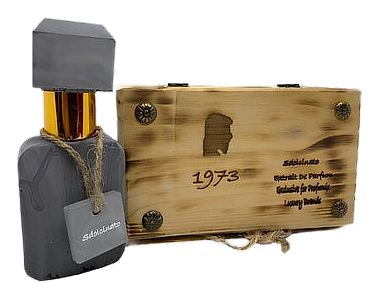
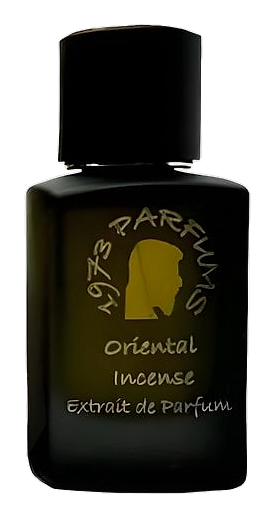
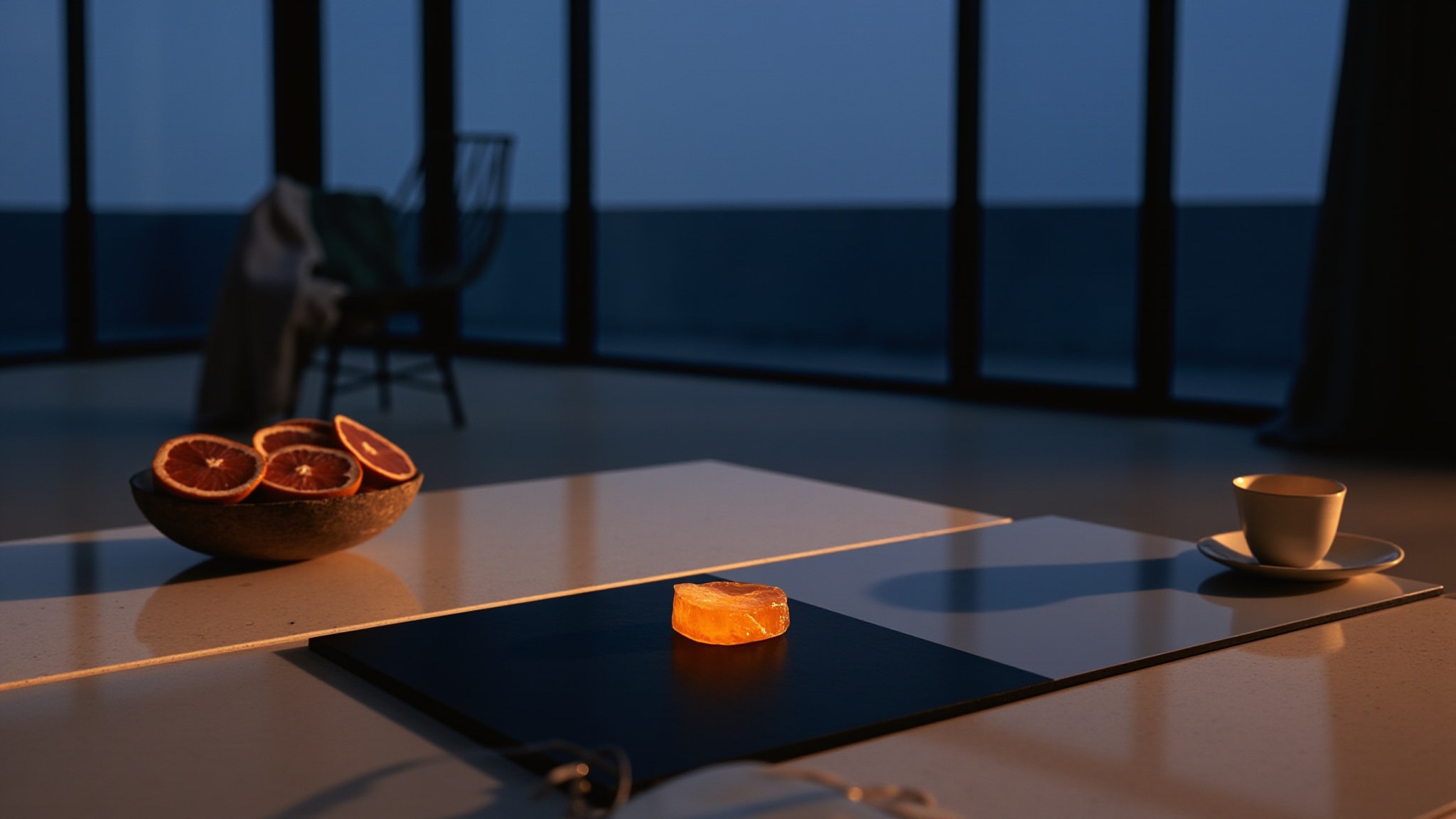
1973's Oriental Incense reads as incense as architecture rather than as accent, a deliberate construction built to hold its weight without dissolving into sweetness. Perfumer Rosario Cerullo shaped it around a resin-heavy structure, with frankincense at the crown, myrrh and cypriol anchoring the middle, and an oud-laced base that grounds the composition firmly. The blood orange is the only modern gesture in the composition, a quick spark of citrus that interrupts the smoke just long enough to remind you this is a contemporary work before the incense takes over. It is a fragrance that wears its references plainly, a study in how resin, smoke, and wood can be arranged into something that feels architectural without ever feeling cold.
What makes this composition worth attention is its refusal to sand down the rough edges. Gurjan balsam brings a deep leathered resinousness that gives the base a serious undertow, the kind of material that anchors without announcing itself. Cypriol, sometimes called nagarmotha, adds an earthier, almost smoky-vegetal quality that sits between vetiver and incense smoke, pulling the composition toward something rawer. Together with patchouli, these middle and base notes create a dry, contemplative texture that feels closer to raw material than finished accord.
The evolution
The opening smells almost heretical for a fragrance with this name: bright, almost citrus-forward, the blood orange doing its quick work before the incense structure rises underneath. The myrrh and cypriol settle in and the composition begins to feel less like a fragrance and more like an environment, something that fills the air around the wearer rather than sitting on the skin. The narcissus in the heart is subtle, a green-honey flicker rather than a full floral declaration, a quiet thread that keeps the composition from going entirely dark. As the hours pass, the base takes over: patchouli deepening, gurjan balsam pulling the temperature warmer, the oud appearing as shadow more than as statement. On fabric, the resin character outlasts almost everything, readable well into the next day as a dry, almost-cold ember note. It does not evolve into something gentle.
Cultural impact
Among 1973's catalog, Oriental Incense is the composition that earns its name rather than simply wearing it. The catalog includes plenty of warmer, sweeter entries, but this one stays austere, drawing on the resin-and-wood vocabulary of incense-focused houses without leaning on the confectionery side of the niche world. Wearers reach for it in colder months, with community ratings leaning toward winter and fall as the preferred seasons for the composition. It is a piece pulled out when the air turns sharp, something for evenings that ask for presence without volume.
The House
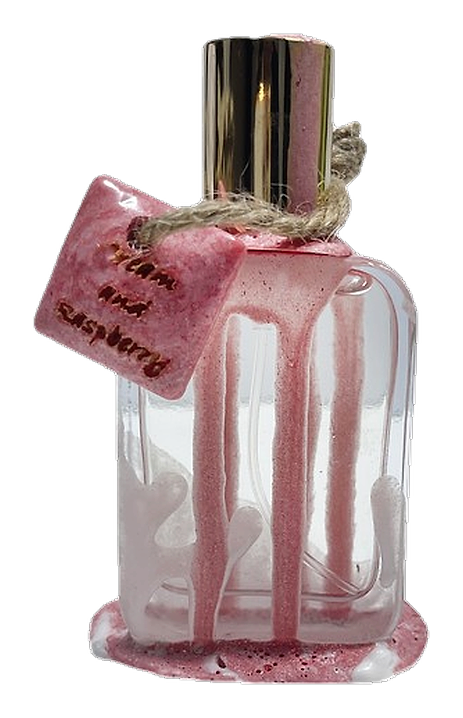
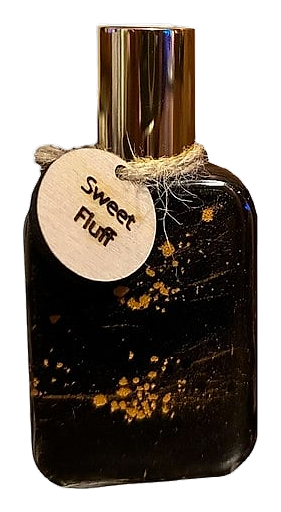
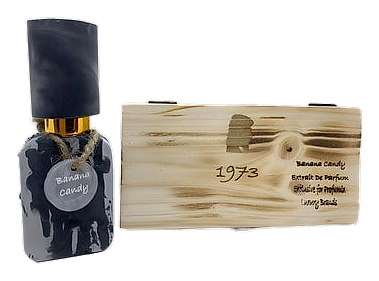
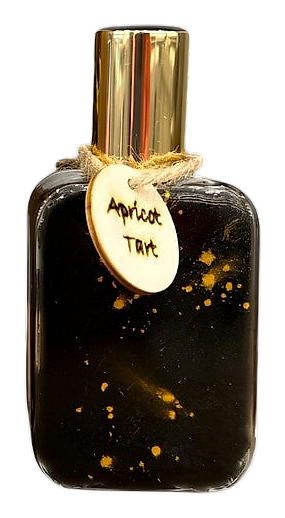
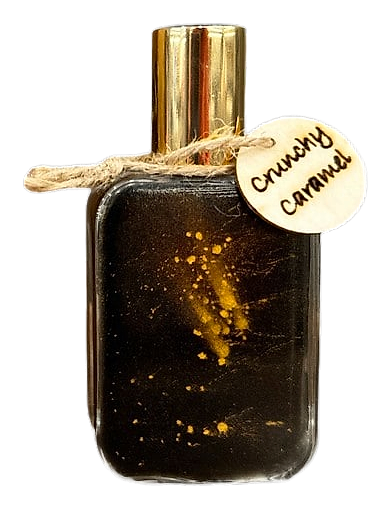
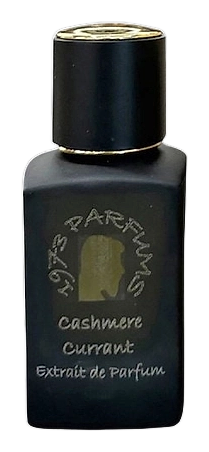
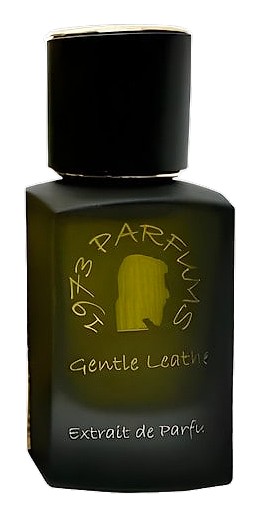
19731973 Parfums is a niche fragrance house that positions itself at the crossroads of gourmand nostalgia and modern minimalism. Launched in the early 2020s, the brand draws its name from the pivotal year 1973, a landmark moment in perfume regulation and cultural shifts, and translates that heritage into a line of limited‑edition scents that feel both familiar and freshly imagined. Recent releases such as Cashmere Currant, Crunchy Caramel and Sweet Fluff showcase a playful yet disciplined approach, while earlier offerings like Cuir & Pear and Gentle Leather reveal a commitment to texture and contrast. The house works through the Profumix distribution network, allowing collectors worldwide to discover its compact catalogue without the clutter of mass‑market noise.
The Creator
Rosario CerulloRosario’s signature technique centers on juxtaposing sugary top notes with grounding base elements. Cotton-candy, marshmallow, or spun-sugar often introduce a bright opening, while amber, benzoin, or soft woods provide a lingering finish.