The Story
Why it exists.
The beginning
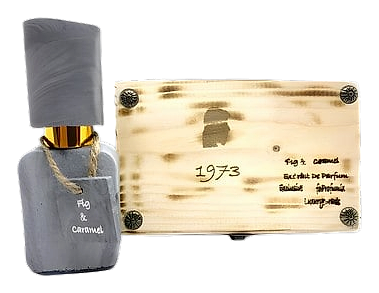
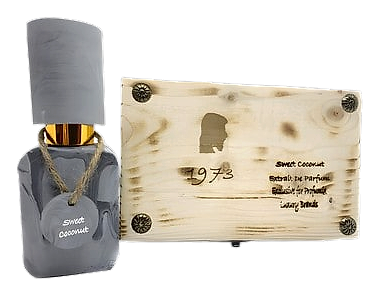
Rosario Cerullo designed Sweet Coconut for 1973 Parfums as an exercise in restraint within indulgence. Where most gourmand fragrances lean into complexity, layering spices, woods, and multiple facets to justify their sweetness, Cerullo stripped things back to essentials. The result is a fragrance that lets the treat speak for itself rather than surrounding it with distractions. Coconut milk, coconut, whipped cream, vanilla, honey. Five notes. Nothing to hide behind. The composition avoids the impulse to justify its sweetness with ornamental complexity, instead trusting that quality ingredients can stand alone. There's a confidence in this simplicity, a belief that the coconut cream and vanilla don't need reinforcement to feel complete.
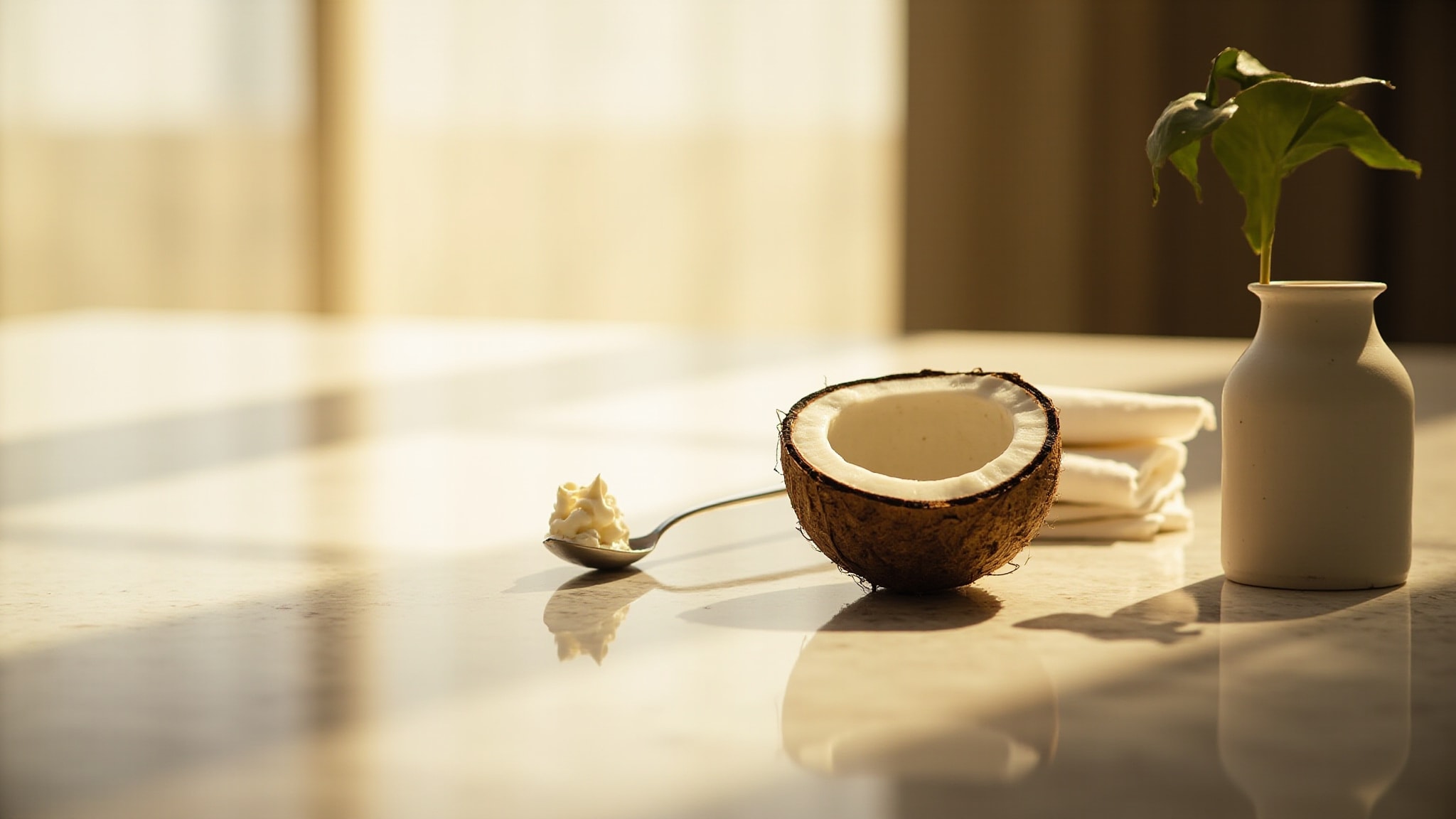
The lactonic accord is what separates this from standard coconut fragrances. Coconut milk carries natural fats, that creamy, slightly nutty quality that differs fundamentally from coconut water or shredded coconut. Blended with whipped cream and vanilla, the result isn't a beach-bar drink but something richer, more confection-like. One reviewer describes it as chocolate-covered coconut mass, which captures the density perfectly.
The evolution
The top notes arrive immediately, coconut milk and whipped cream, with a momentary impression that settles within the opening minutes. By the mid-stage, vanilla and honey assert themselves more clearly, the coconut note softening slightly but never disappearing. What lingers into the final hours is a sweet, creamy skin-warm trace, closer than you'd get from a typical EDP, but persistent for those within embrace range. On fabric, it can last through an evening wash cycle, faint but present. The evolution is subtle, not because nothing happens, but because the notes feel comfortable staying close to their original character. There's no dramatic transformation, no pivot from brightness to darkness. Instead, the fragrance simply settles into itself, the coconut cream deepening slightly as the vanilla and honey become more apparent.
Cultural impact
Sweet Coconut arrived during an era when perfume houses began exploring gourmand compositions more seriously. While some houses pursued chypre florals and aldehydic statements, tropical ingredients were largely relegated to sun care products at the time. This release positioned coconut as a legitimate perfumery note, using a lactonic approach that predated the modern coconut cream boom by decades. The fragrance demonstrates how coconut can function as a sophisticated base rather than a novelty accent, with enough depth and staying power to anchor a composition.