The Story
Why it exists.
The beginning
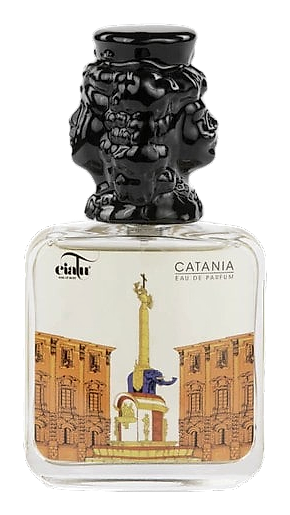
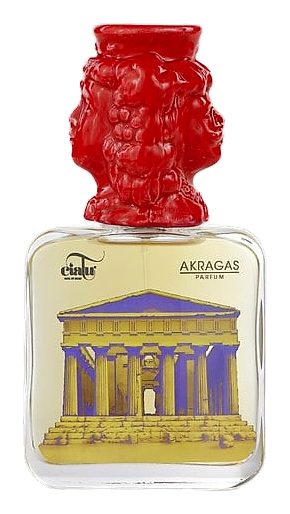
Akragas takes its name from the ancient Greek city that became Agrigento, a place where temples still stand against the Sicilian skyline, where the scent of wild herbs drifts up from the hillsides. The fragrance captures that landscape: bergamot from the coast, myrtle and lavender from the interior, rum from the island's colonial history. It's a Sicilian perfume that doesn't try to be anything else.
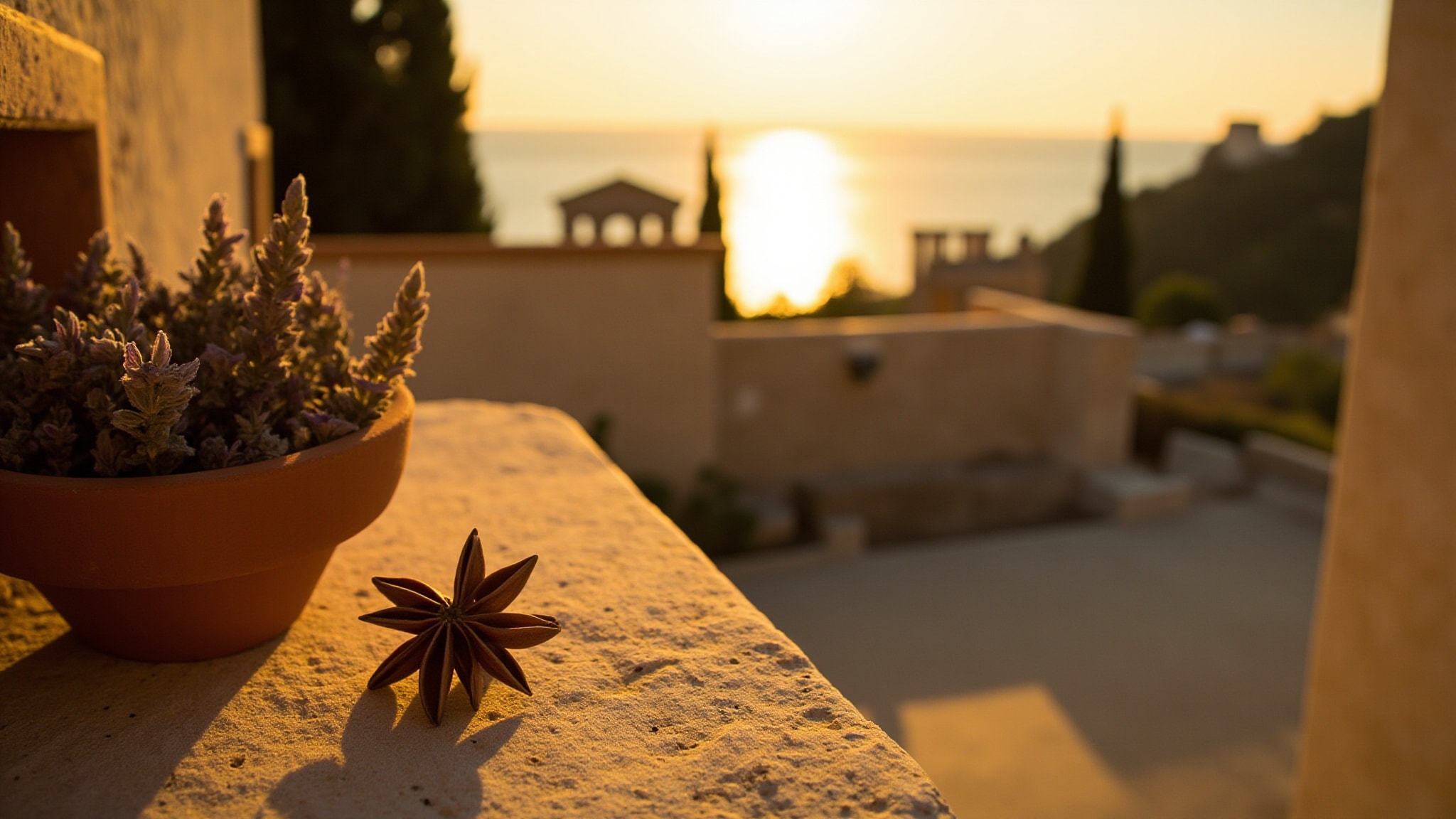
What makes this composition unusual is the myrtle-lavender pairing, two herbs that rarely share top billing. Myrtle is aromatic, slightly bitter, native to the Mediterranean maquis. Lavender adds sweetness and camphor. Together they create an opening that's distinctly herbal without being sharp or medicinal. The star anise in the heart then adds an anisic warmth that bridges the fresh opening to the amber-sandalwood base. It's a progression that makes sense on skin, even if it sounds unusual on paper.
The evolution
The bergamot and rum hit first, bright citrus with a warm alcoholic edge. Thirty minutes in, the myrtle and lavender arrive together, shifting the fragrance from fruity-warm to herbal-green. The black pepper and star anise pulse through the heart, giving the composition a dry, slightly spicy character that lasts through hour three. By hour four, the amber and sandalwood take over, softer, warmer, closer to the skin. On fabric, the sandalwood and patchouli linger into the next day, faintly sweet and resinous. On skin, the drydown fades by hour six.
Cultural impact
Ciatu's nine-fragrance collection positions itself as an aromatic archive of Sicily, heritage worn rather than displayed. Akragas fits within this framework: a fragrance that captures a specific place and its sensory history, rather than chasing trend-driven note combinations. The house's understated presentation and cultural specificity attract wearers looking for perfumes with narrative depth rather than mass-market appeal.