



Heritage
A house, in its own words
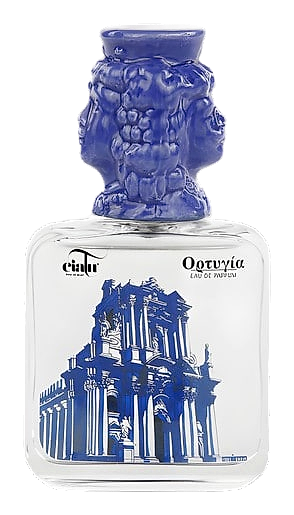
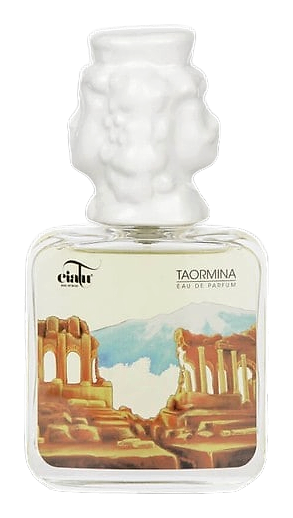
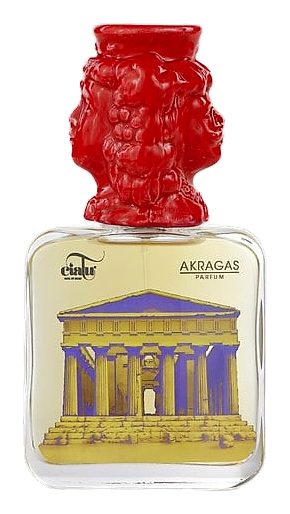
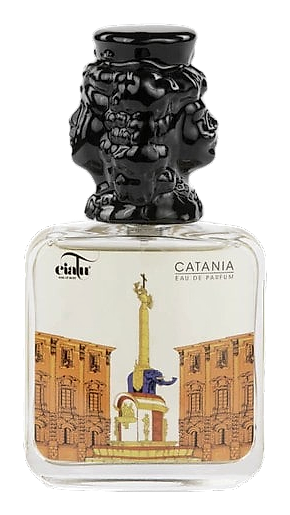
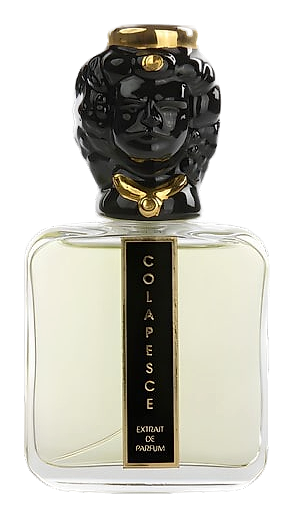
Ciatu emerged from Andrea Spatola's deep attachment to his Sicilian homeland. A native of the island, Spatola recognized that Sicily possessed a rich olfactory landscape largely untapped by contemporary perfumery. The island sits at the crossroads of Mediterranean civilizations, its history shaped by Greek, Arab, Norman, and Spanish influences, each leaving traces in local traditions, ingredients, and sensory culture. Spatola decided to translate this layered heritage into a collection of perfumes that would serve as aromatic ambassadors for Sicily. The brand name itself became a statement of intent: ciamu, meaning breath in Sicilian dialect, suggesting the act of capturing and releasing the soul of a place. Ciatu launched its first fragrance in 2014, introducing Taormina as the emblem of the house. The initial release established the brand's approach of blending bitter citrus with green-aromatic elements, a combination that mirrors Sicilian gardens and coastal landscapes. Following this foundation, the house expanded its portfolio steadily, releasing fragrances named after specific Sicilian locations and cultural touchstones. Catania arrived in 2018, followed by Khalisa in 2023, and more recent additions including Artemis in 2025. The brand maintains its focus on Sicilian subjects, refusing to broaden its geographic scope. Each name in the collection connects to a place, historical figure, or cultural concept specific to the island, from the ancient Greek colony of Akragas to the legendary fisherman Colapesce. For Ciatu, perfumery serves as cultural preservation. The brand positions fragrance as a vessel for Sicilian stories, landscapes, and traditions that might otherwise fade from contemporary consciousness. Each release begins not with a perfumer's brief but with a Sicilian subject worth exploring: a specific location, a historical legend, a botanical specimen native to the island. The perfumer, working from these narrative anchors, translates the emotional and sensory associations into olfactory materials. This approach distinguishes Ciatu from houses that develop fragrances around trending notes or market positioning. Instead, the brand asks what Sicily smells like at different altitudes, in different seasons, through different historical periods. The philosophy extends to the brand's naming conventions. Every fragrance carries a name drawn directly from Sicilian geography, history, or culture. Artemis takes its name from the Greek goddess associated with wilderness and hunting. Akragas refers to an ancient Greek colony, now the city of Agrigento. Colapesce invokes a local legend of a fisherman who lived beneath the sea. These names function as invitations to explore Sicilian heritage, with the fragrance serving as a starting point rather than a complete story. The brand believes that perfume can carry cultural memory, and this conviction shapes every creative decision.