The Story
Why it exists.
The beginning
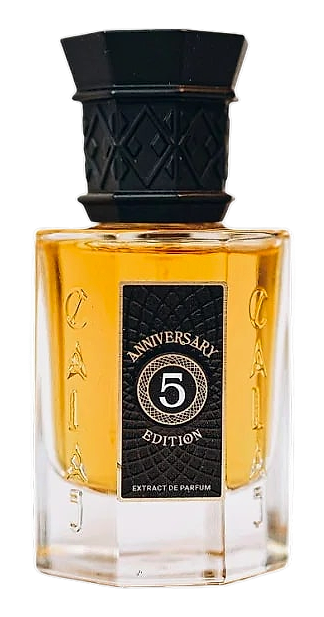
Lilyn arrived in 2020 as part of Calaj's Silver Collection, a Romanian independent house founded by Flavius Calaj as a vehicle for personal creative expression rather than commercial pursuit. The house operates with deliberate smallness: limited batches, a single creative voice guiding formulation, and an audience that finds its scents before algorithms do. Lilyn represents a specific collaboration with Miguel Matos, the Portuguese perfumer known for compositions that reward patience over spectacle. The name itself carries no obvious referent, it reads more like a mood than a place or person, an atmosphere the wearer brings their own meaning to.
The note structure of Lilyn is unusual in how it layers a marine accord through the entire composition rather than treating it as a top-note gimmick that disappears within the first hour. The jasmine-lemon leaf-basil opening is bright and almost medicinal in its clarity, green and aromatic before the florals arrive. The heart introduces tuberose, but Matos keeps it restrained, more hinted elegance than the typical indolic intensity of the flower. Coconut cream and ylang-ylang deepen the sweetness without tipping into cloying territory.
The evolution
The opening of Lilyn announces itself with jasmine and basil, green, aromatic, immediate. Lemon leaf sharpens the citrus-green quality before the white florals arrive. For the first thirty minutes, this reads as a clean aromatic floral with marine freshness already present underneath. The transition to heart phase brings the tuberose forward, softened by coconut cream and ylang-ylang. The marine note doesn't disappear, it intensifies, making the florals feel cooler and more alive. A salty quality emerges that is nothing like synthetic aquatic accords. This is seaweed, not a candle. The drydown is where Lilyn earns its reputation. Ambergris and ambroxan take over as the florals recede, their mineral warmth reading almost like warm skin. The milk note keeps everything intimate rather than projecting. Seaweed lingers as a clarifying element, it makes the coconut cream and ylang-ylang feel warmer and more present than they would without it.
Cultural impact
Lilyn arrived in 2020 as part of Calaj's Silver Collection, positioning itself within a new wave of independent fragrance houses emerging across Eastern Europe. The Romanian house, founded by Flavius Calaj, staked its claim during a period when niche perfumery was becoming increasingly democratized through social channels and direct-to-consumer models. The fragrance's salted tuberose and marine ambergris composition reflected a broader shift toward coastal aesthetics in contemporary perfumery, moving away from the maximalist florals that had dominated earlier niche releases. Miguel Matos's restrained approach signaled changing collector sensibilities, where nuance and mineral quality began to matter more than raw sillage.
The House
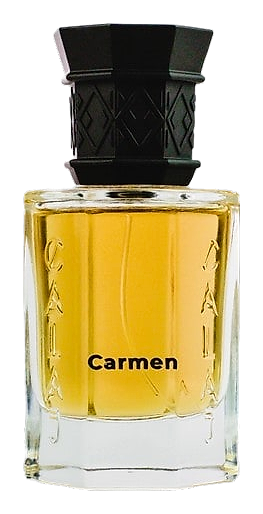
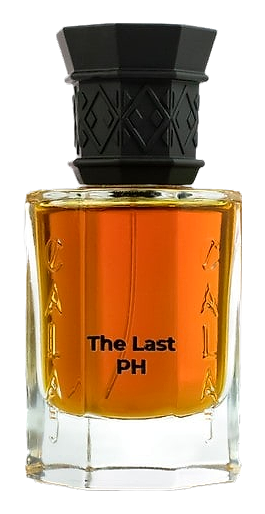
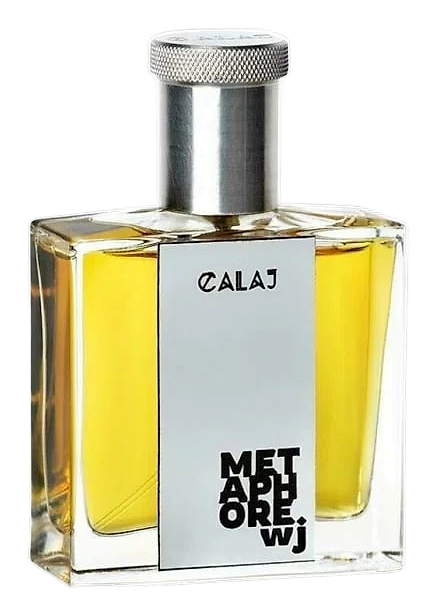
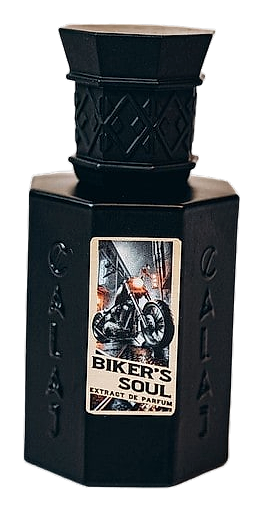
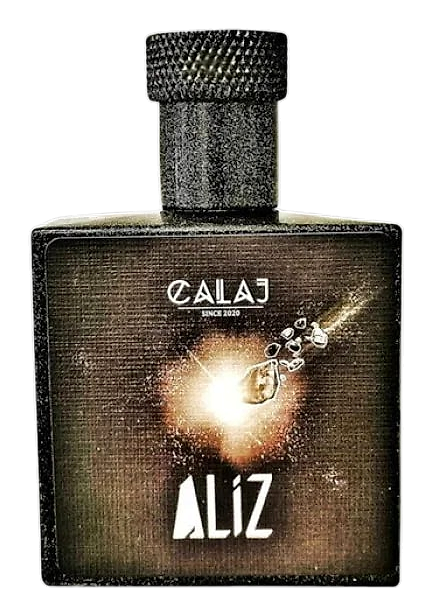
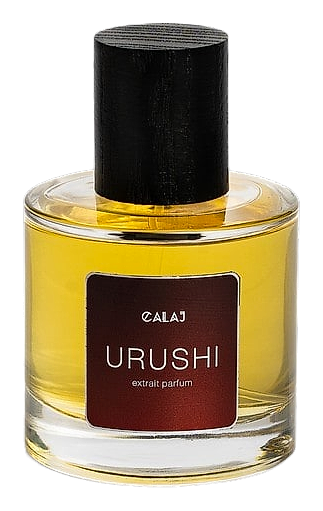
CalajCalaj Perfumes is an artisanal niche fragrance house based in Arad, Romania, founded in 2020 by Flavius Calaj. The brand specializes in small-batch, handcrafted perfumes with a strong emphasis on limited production runs. Calaj operates as an independent creator, with Flavius handling formulation and design personally. The house has developed several distinct fragrance lines including The Last PH 85, Carmen, Lilyn, and the Delizia series, with releases spanning from 2020 through 2025. The brand's catalog is relatively compact but intentionally curated, with each scent receiving individual attention rather than mass production. Calaj distributes primarily through digital channels and fragrance retailers like Luckyscent, while maintaining an active presence on social media platforms including Instagram and TikTok. The brand's Romanian roots and 2020 founding date position it as a relatively new entrant in the niche fragrance space, operating independently from larger corporate perfume houses.
The Creator
Miguel MatosMatos draws from his background in visual art and criticism, treating fragrance composition like a curatorial act. He layers references and contrasts, often juxtaposing familiar materials in unfamiliar configurations.