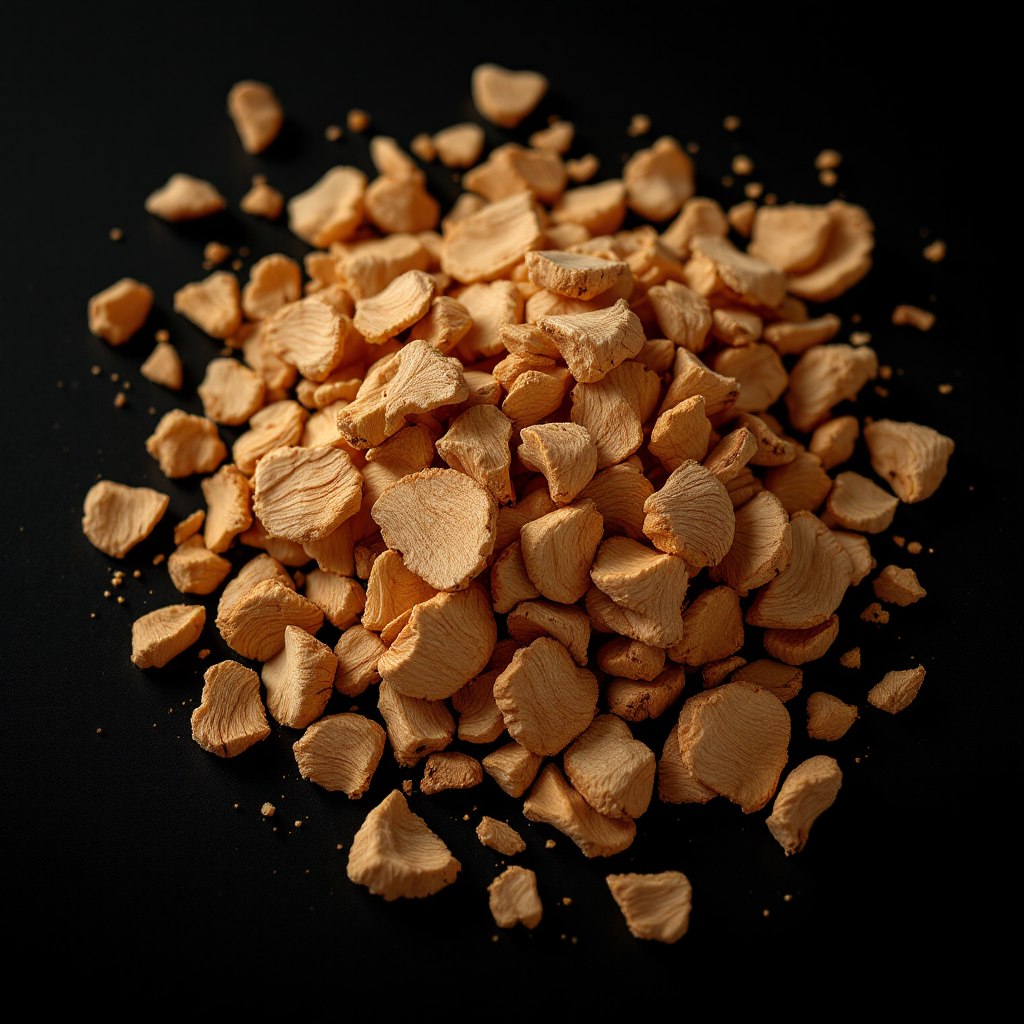
Dark Woodsy Notes
Deep, resinous, and shadowed, Dark Woodsy Notes anchor a fragrance with the weight of ancient forests and damp earth. These materials evoke old-growth timber, smoke, and the quiet decay of leaf litter, lending gravity and longevity to compositions.
Character
How it smells
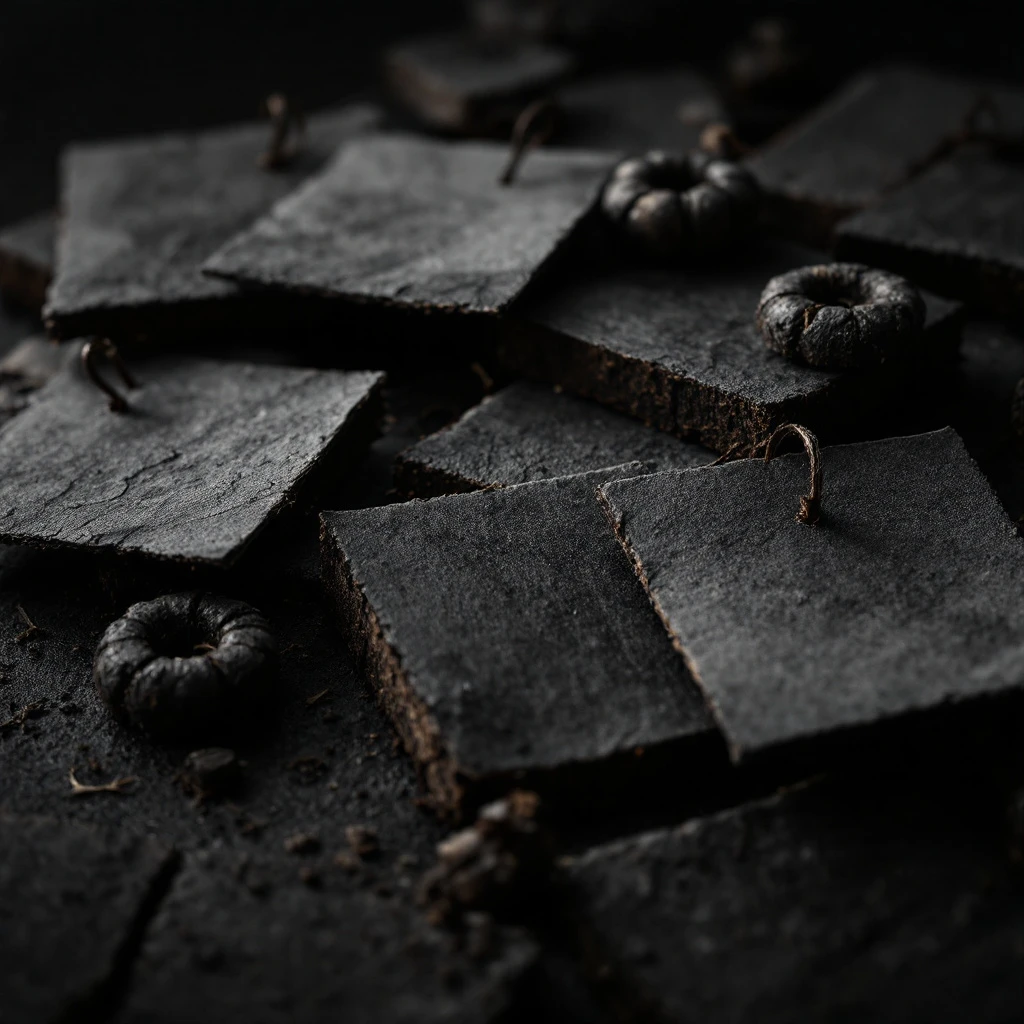
Shadow, resin, and old forest floor.
Guaiacwood resin comes from a small South American tree; when the wood is properly aged, it releases a sweet woody aroma prized in classical perfumery.








Origin
Argentina
The history of Dark Woodsy Notes reaches back to the earliest forms of perfumery. About 4000 years ago, the Mesopotamians burned resins such as frankincense and myrrh in religious rituals, establishing the ancient association between dark, smoky woods and the sacred. Ancient Egyptian incense formulas also featured woody materials, including cedar and labdanum, used in temple rites and mummification.
For centuries, natural plant materials formed the entire base of perfumery. The late nineteenth century transformed woody compositions when chemists began synthesizing aroma compounds like coumarin and vanillin, opening the door for novel accords and longer-lasting bases. By the early twentieth century, the perfume industry had formalized the olfactive family classification, placing woody accords alongside oriental and floral groups.
Fougère fragrances like Fougère Royale (1882) helped establish dark, mossy-woody structures in men's perfumery, a tradition still thriving today.
Wears it best
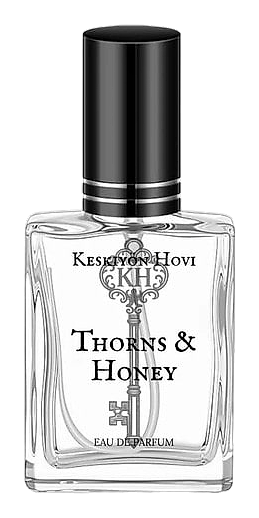
Fragrances featuring Dark Woodsy Notes

Brands
Brands known for Dark Woodsy Notes
Good to know
Questions, answered
The essentials on Dark Woodsy Notes in perfumery: how it smells, where it comes from, and how it behaves on skin.
What does Dark Woodsy Notes smell like?
Dark Woodsy Notes present a deep, resinous character reminiscent of old-growth timber, damp earth, and gentle smoke. Expect undertones of vetiver, patchouli, oud, and guaiacwood, often blended to evoke shaded forest floors and aged wood.
Are Dark Woodsy Notes natural or synthetic?
Both. Many originate as natural oils from heartwood and roots through steam distillation. Modern formulations also incorporate synthetic molecules like Iso E Super and Cashmeran, which offer consistent woody warmth with reduced reliance on overharvested materials.
What is the difference between woody and Dark Woodsy Notes?
Standard woody notes encompass the full spectrum from bright sandalwood to dry cedar. Dark Woodsy Notes occupy the deeper, more resinous end, featuring heavier accords such as oud, vetiver, and guaiacwood with smoky, earthy undertones.
When should I wear Dark Woodsy Notes?
Dark Woodsy Notes perform exceptionally well in cooler months and evening settings due to their depth and longevity. Their warm character makes them a strong choice for autumn and winter wardrobes, or whenever a grounded, contemplative scent profile is desired.
Are Dark Woodsy Notes sustainable?
Sustainability varies by ingredient. Oud and guaiacwood have faced pressure from overharvesting in the wild. Many producers now source from managed plantations, and synthetic woody molecules provide ethical alternatives that reduce pressure on natural stocks.
Which perfumes are known for Dark Woodsy Notes?
Dark Woodsy Notes feature prominently in Fougère Royale (1882), Tom Ford Oud Wood, and Dior Sauvage. Many chypre and oriental compositions also rely on these materials to anchor their bases with smoky, resinous depth.
Do Dark Woodsy Notes last long on skin?
Yes. Materials like oud, patchouli, and vetiver are base notes with low volatility, meaning they evaporate slowly and often persist on skin for six to twelve hours, giving Dark Woodsy Notes excellent longevity.
Can Dark Woodsy Notes cause allergic reactions?
Like most fragrance materials, certain woody compounds can trigger sensitivity in some individuals. Common culprits include natural oakmoss extract and certain sesquiterpenes found in vetiver, though finished formulations typically remain within IFRA safety guidelines.