

    Home/Brands/Amber Oud

    Amber Oud

    Amber Oud is a niche fragrance house from The House of The Perfumist, a brand that has carved out a distinct identity around the two most storied materials in Arabian perfumery: wild oud oil and natural ambergris. The brand positions itself at the intersection of traditional Middle Eastern fragrance culture and modern niche perfumery, with a portfolio that includes concentrated attar-style compositions and eau de parfum releases. Its debut signature, Amber Oud, was introduced in 2019 and built on an unusually high concentration of natural raw materials, a formula philosophy that has carried through subsequent releases.

    United Arab EmiratesEst. 2019
    9
    Fragrances
    4.1
    Avg rating
    Shop the collection
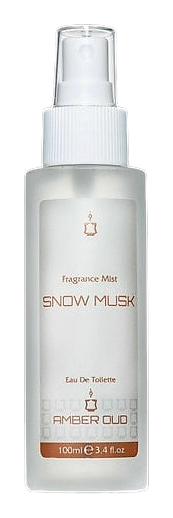
    SignatureSnow Musk
    Snow Musk
    Community
    4.1
    Average rating
    across 9 fragrances
    Collection
    9
    Fragrances and counting
    Heritage
    2019
    Founded in United Arab Emirates

    Heritage

    A house, in its own words

    The House of The Perfumist operates within a fragrance tradition that stretches back thousands of years. Oud itself, the resinous heartwood of the Aquilaria tree, has been referenced in ancient Indian texts dating to approximately 2000 BCE, where it was described in Sanskrit as prâna, a term denoting breath or life force. Across the Arabian Peninsula and South Asia, oud was burned as incense, traded along incense routes, and reserved for royalty and spiritual practice for centuries. Ambergris, the other pillar of Amber Oud's identity, carries an equally layered history. Produced in the digestive systems of sperm whales and washed ashore as a waxy grey substance, it was prized in perfumery from at least the medieval period, when it was used as a fixative and worn as a personal scent by nobility. The House of The Perfumist emerged into this long lineage with a clear intention: to treat oud and ambergris not as exotic novelties but as the central subjects of contemporary composition. The launch of Amber Oud in 2019 marked the brand's arrival, and it has since expanded its catalog with additional oud-forward and musk-driven releases, establishing a small but focused portfolio rooted in Arabian fragrance heritage. Amber Oud's creative vision rests on a deceptively simple idea: let the materials speak. Where many modern fragrances dilute natural oud and amber with synthetic accords to manage cost and achieve predictable sillage, The House of The Perfumist takes the opposite approach. The brand's debut composition was built around 45% wild oud oil and 45% natural amber complex, an unusually high concentration that prioritizes authenticity over mass-market accessibility. This is a philosophy of restraint and respect, one that treats oud not as a note to be referenced but as a material to be presented in its full, unmanipulated complexity. The brand also draws a sharp line between genuine ambergris and the lab-made ambroxan substitutes that dominate contemporary perfumery, a distinction that has become one of its defining positions. Every fragrance in the line seems designed to honor a specific raw material, whether it is wild oud, musk, or spice, rather than to chase trend-driven profiles. The result is a house that values longevity, depth, and material honesty over novelty.

    2017
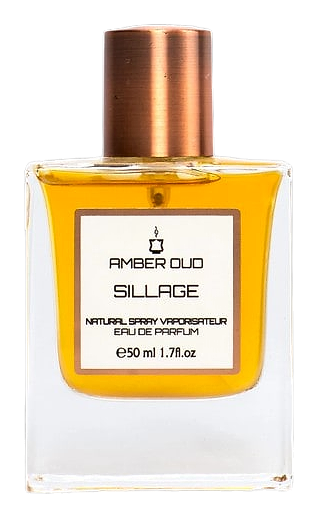
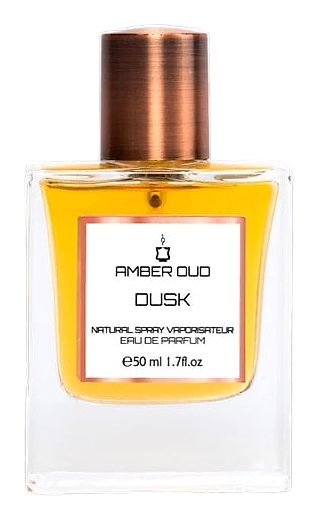
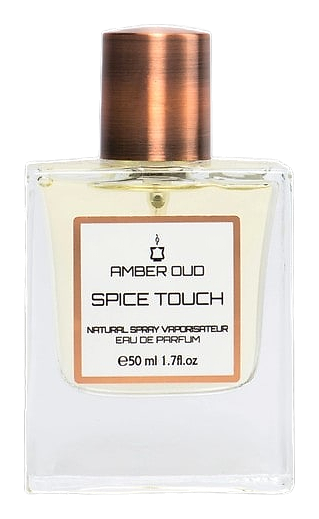
    Early portfolio releases including Sillage, Spice Touch, and Dusk establish the brand's initial fragrance identity.
    2018
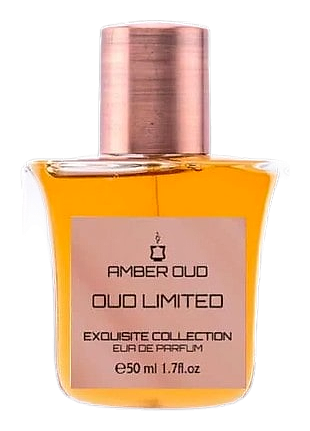
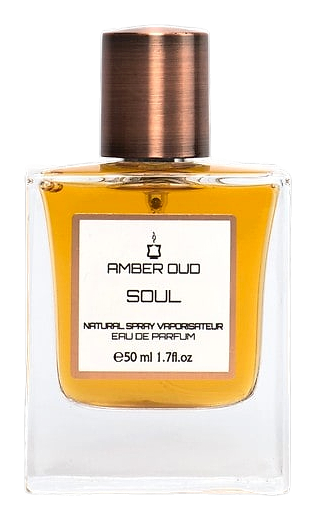
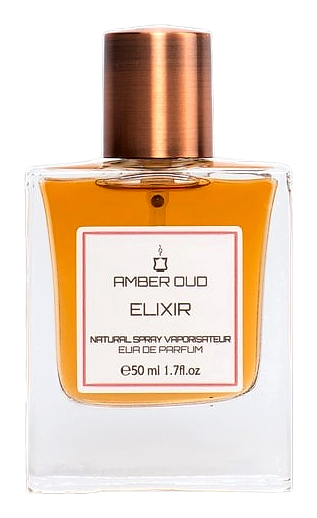
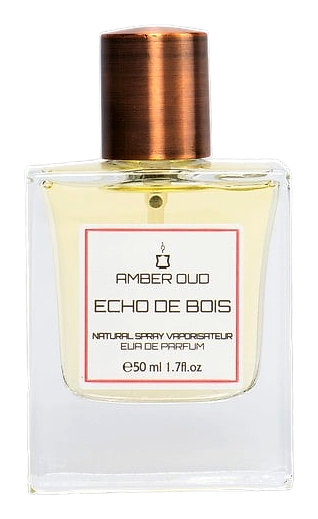
    Expanded catalog with multiple launches including Snow Musk, OUD LIMITED, Onyx, Noble Oak, ECHO DE BOIS, Elixir, and Soul.
    2019
    Debut of the signature Amber Oud, built on 45% wild oud oil and 45% natural amber complex.
    2021
    A separate Amber Oud composition is launched by Maison Oud, featuring saffron, geranium, oud, amber, rose, leather, incense, and musk notes, reflecting the broader cultural interest in amber-oud themed fragrances.

    The noses

    Perfumers behind the house

    Did you know?

    Interesting facts

    01

    The brand's signature fragrance reportedly contains 45% wild oud oil and 45% natural amber complex, a concentration ratio rarely seen in commercial perfumery where oud typically constitutes 10 to 20% of a formula.

    02

    Amber Oud draws a deliberate distinction between genuine ambergris and synthetic ambroxan, the lab-created substitute that has become standard in most modern fragrances since the 1950s.

    03

    Oud has been referenced in Sanskrit texts dating to approximately 2000 BCE, where it was called prâna, meaning breath or life force, underscoring the material's spiritual and cultural weight long before it reached modern perfume bottles.

    04

    Wild oud oil, harvested from naturally infected Aquilaria trees, can cost more per kilogram than gold, making high-concentration oud compositions among the most expensive fragrance formats in the world.