
The Story
Why it exists.
The beginning
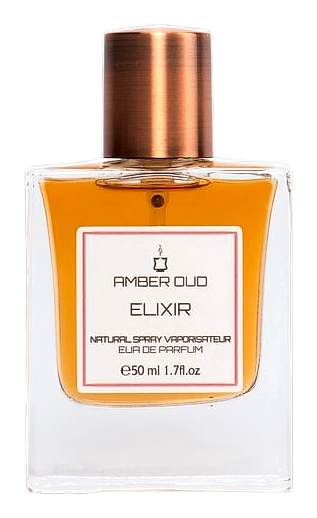
Saud Malallah composed Elixir in 2018, working from inside a tradition he already knew. The materials needed no introduction: wild oud, patchouli, nagarmotha, vanilla. These are combinations that have been worn across the Gulf for generations, long before niche perfumery existed as a category. Malallah didn't reach for novelty. He reached for materials with weight and decided what to do with them. There's a difference between composing a fragrance and constructing a statement, and Elixir reads like the former. The oud, the patchouli, the nagarmotha, the vanilla, each one arrives carrying its own cultural memory, and Malallah lets them speak in the register they already know.
What makes Elixir worth pausing on is the proportion. Oud is the architecture, not a signature, not a calling card, not a thing you smell once and move past. It runs through the entire composition like a spine. Patchouli adds the soil under it, that earthy weight that grounds the oud and keeps it from floating into something abstract. Nagarmotha, that smoky-root Cypriol oil, pulls the composition sideways into drier, more mineral territory, less obviously sweet than you'd expect from a blend with vanilla in it. The vanilla itself never arrives as dessert.
The evolution
Elixir opens at full voice. The oud announces itself first, sharp, almost medicinal, the kind of note that makes people who aren't ready for oud wrinkle their nose. Patchouli thickens underneath, adding depth that anchors the composition and keeps the opening from feeling thin. As the fragrance moves past its opening, the nagarmotha starts to surface, pulling things toward something drier, more textured, less overtly resinous. The smoke and root character of the Cypriol becomes more legible as the initial intensity softens. The vanilla never fully arrives as sweetness. It works more as a hum, a warmth in the lower register that keeps the oud from feeling cold or austere. Over time, the whole composition pulls closer to the skin. It becomes a private thing, something the wearer knows is there and the people close enough to lean in can catch.
Cultural impact
Elixir sits inside the tradition of oud-forward compositions that have been worn across the Arabian Peninsula for generations. It wears like something made by a perfumer who already knows what oud is and expects the wearer to as well. There's no sweetener layered on top to make the materials more approachable, no reformulation toward mass-market accessibility. For wearers unfamiliar with the material, the fragrance serves as a direct introduction, unmediated by the kind of softening that often shows up in oud blends aimed at broader audiences. The composition doesn't translate oud for outsiders. It assumes you can meet it where it already is.
The House
Amber OudAmber Oud is a niche fragrance house from The House of The Perfumist, a brand that has carved out a distinct identity around the two most storied materials in Arabian perfumery: wild oud oil and natural ambergris. The brand positions itself at the intersection of traditional Middle Eastern fragrance culture and modern niche perfumery, with a portfolio that includes concentrated attar-style compositions and eau de parfum releases. Its debut signature, Amber Oud, was introduced in 2019 and built on an unusually high concentration of natural raw materials, a formula philosophy that has carried through subsequent releases.
The Creator
Saud MalallahMalallah's signature style leans into clean aromatics balanced by measured sweetness, a combination that gives his fragrances their bright, approachable character. He favors compositions that stay consistent from opening through drydown, avoiding sharp shifts that might lose c…