

The Heritage
The Story of El Nabil
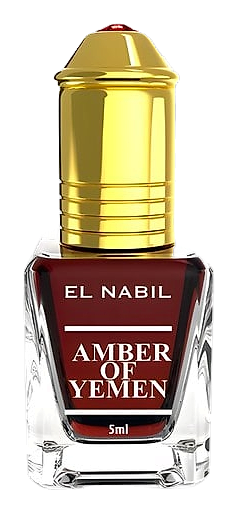
El Nabil is a French‑based niche perfume house that emerged in 2011 and quickly built a reputation for rich oriental compositions. The brand offers both personal fragrances and scented home products, positioning the scent experience as something anyone can enjoy. Its catalogue includes musk‑forward scents such as Musk Imran and Amber of Yemen, as well as woody releases like Crystal Wood (2019). By blending traditional Middle Eastern ingredients with contemporary French sensibilities, El Nabil creates scents that feel both familiar and unexpected.
Heritage
The story of El Nabil begins in 2011, when a group of fragrance enthusiasts founded the house in France with a focus on oriental aromas. Early releases centered on classic musk and amber accords, reflecting the founders’ appreciation for Middle Eastern perfume heritage. Within a few years the brand expanded its distribution network, establishing partnerships with retailers in the Netherlands and Belgium, as noted by Oosterse Parfums, which now lists El Nabil as a trusted address for its range. By 2014 the house had entered the Gulf market, where its products found a receptive audience among perfumery professionals, according to a profile on Parfume Dubai Store. The launch of Crystal Wood in 2019 marked the brand’s first limited‑edition release that highlighted a blend of cedar, sandalwood, and subtle spice, signaling a willingness to experiment beyond its core musk line. In the early 2020s the company broadened its portfolio to include home fragrances, adding scented candles and diffusers that carry the same olfactory DNA as its perfumes. Social media presence grew steadily; the Instagram account @elnabilofficial reached over 200 000 followers by 2022 and 284 000 by 2023, providing a visual platform for new launches and community interaction. Throughout its first decade, El Nabil maintained a steady output of new scents, including Sublime Oud and Musc Yassine, while preserving a consistent aesthetic that merges French minimalism with Arabic calligraphic motifs. The brand’s evolution reflects a balance between honoring traditional oriental ingredients and embracing modern distribution channels, allowing it to remain relevant in a crowded niche market.
Craftsmanship
Production at El Nabil follows a blend of traditional perfumery techniques and modern quality controls. Raw materials are sourced from established suppliers in the Middle East and Europe; for example, amber used in Amber of Yemen originates from the Arabian Peninsula, while oud accords are blended from wood harvested in Southeast Asia. The house works with independent laboratories that conduct stability testing to ensure each fragrance maintains its character over time. Blending takes place in small batches, allowing perfumers to fine‑tune the balance of top, heart, and base notes before the mixture is macerated for several weeks. This maceration period, a standard practice in oriental perfumery, helps integrate the heavy base notes such as musk and amber. After aging, the perfume is filtered and transferred into glass bottles that meet European Union safety standards. Quality assurance includes organoleptic evaluation by senior perfumers, who assess scent integrity, projection, and longevity. For home fragrance lines, the same raw materials are incorporated into wax or oil bases, with careful attention to burn rate and diffusion quality. Packaging materials are selected for durability and visual appeal; glass bottles are sealed with metal caps that feature the brand’s logo in a subtle embossing. While the brand does not publish detailed sustainability reports, it states a commitment to responsible sourcing, and its supply chain includes partners who adhere to regional harvesting regulations. The overall process reflects a dedication to preserving the richness of oriental ingredients while delivering consistent, reliable products.
Design Language
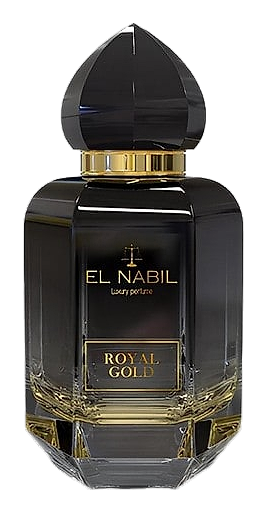
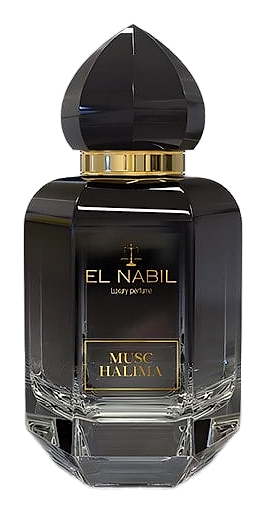
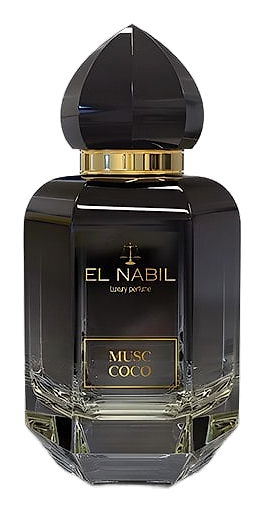
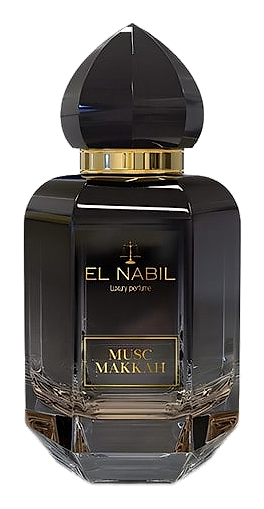
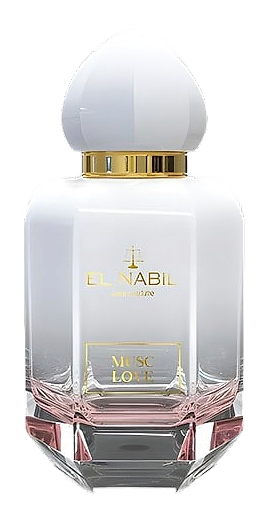
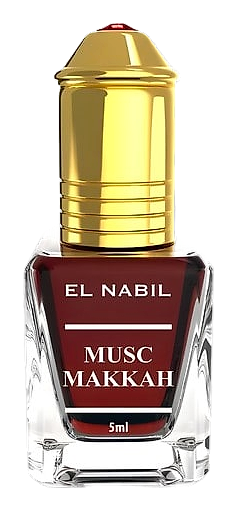
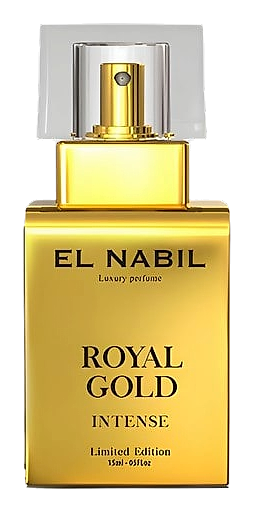
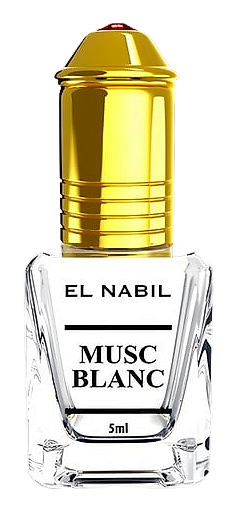
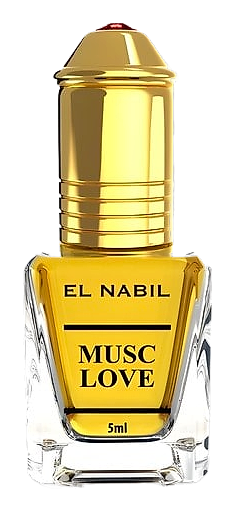
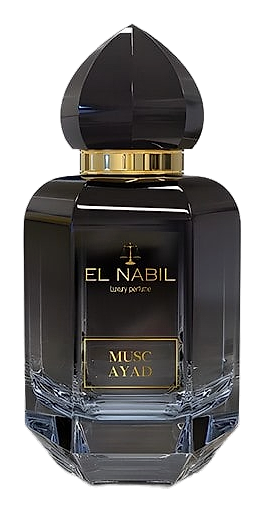
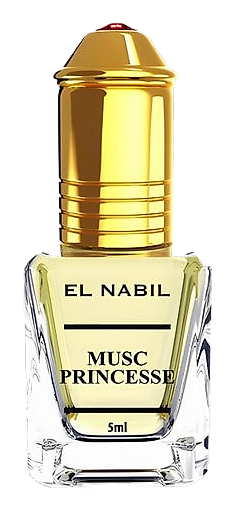
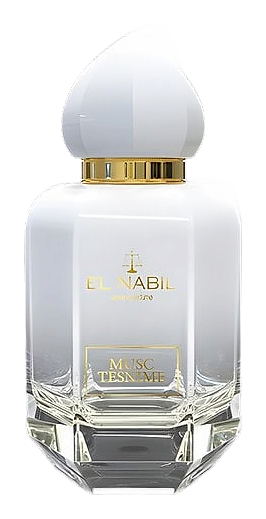
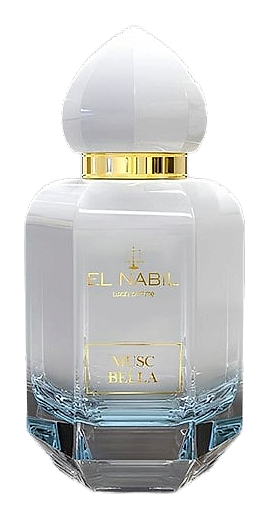
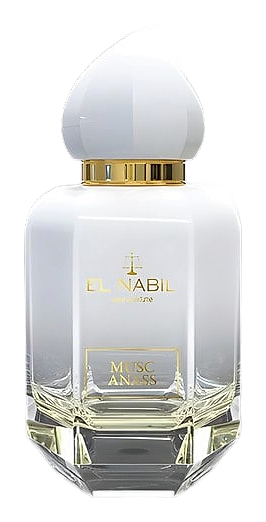
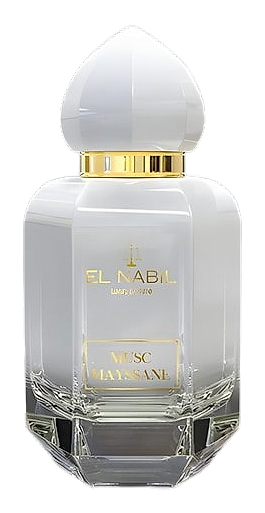
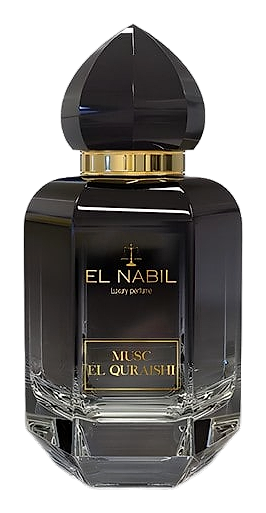
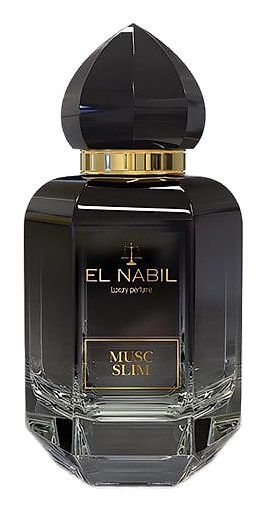
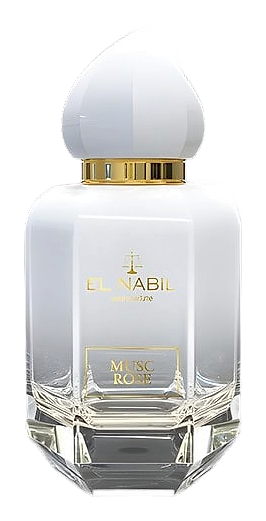
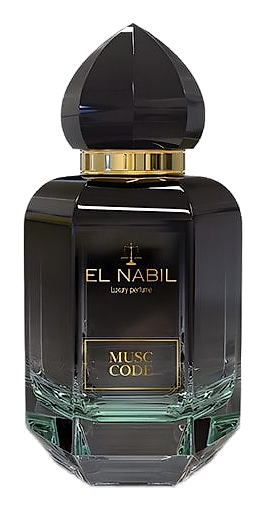
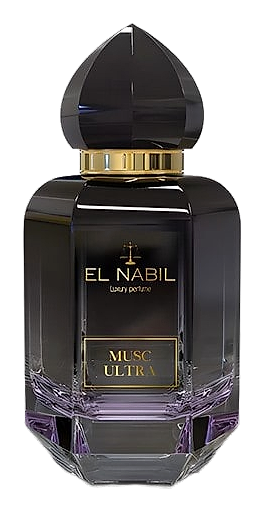
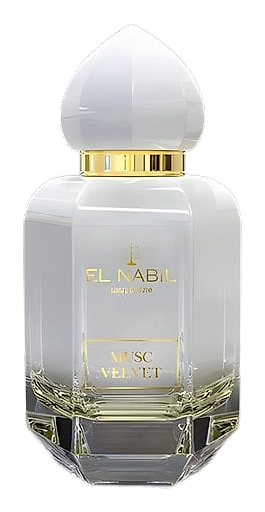
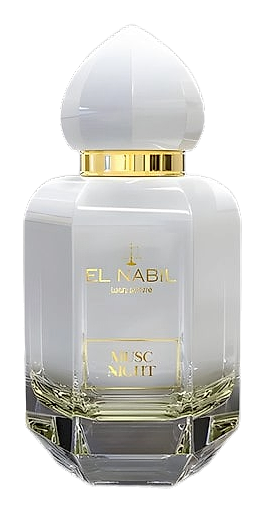
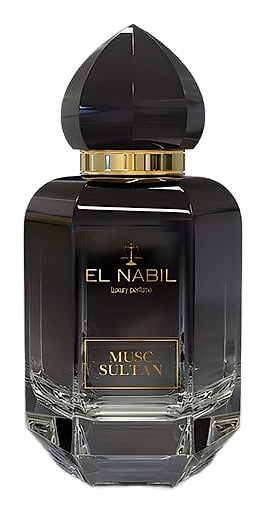
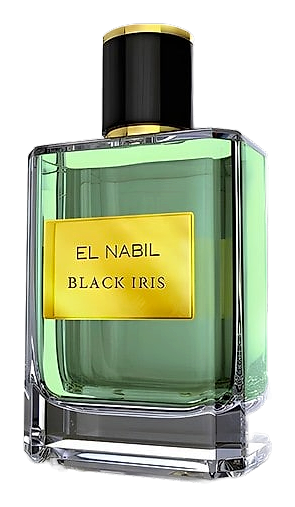
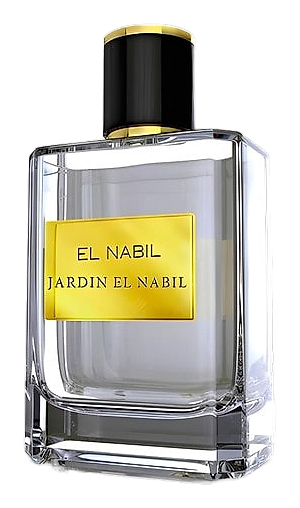
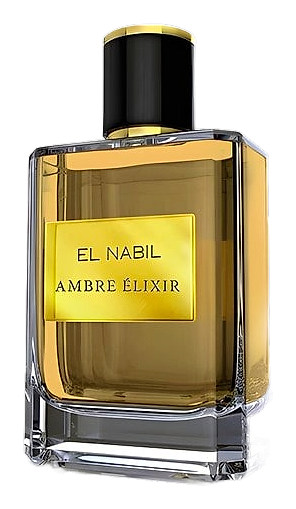
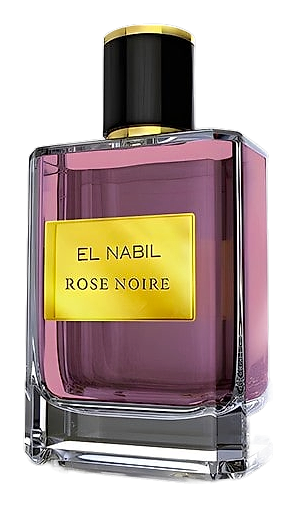
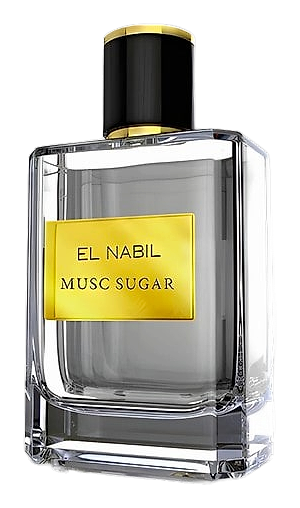
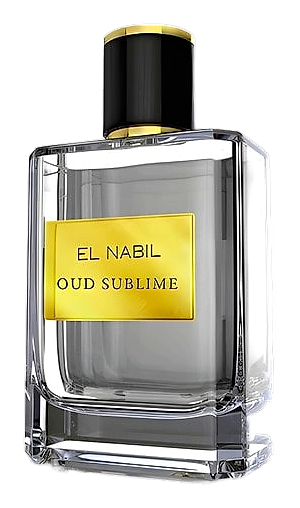
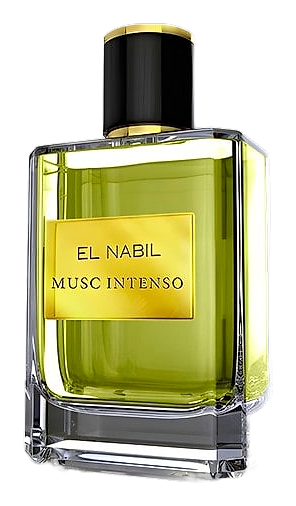
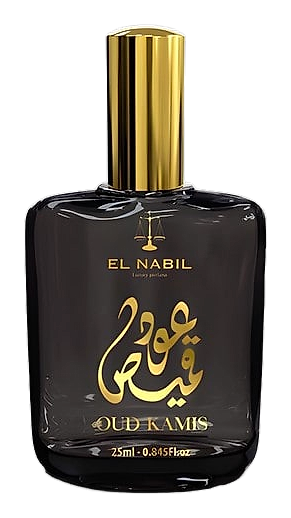
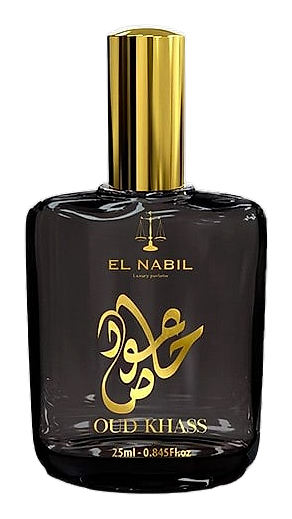
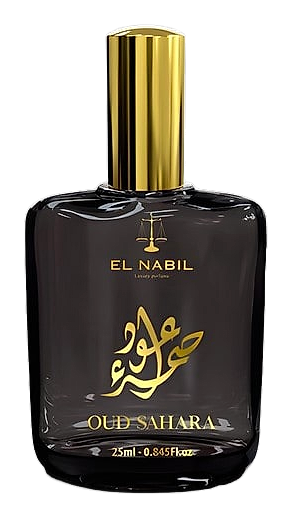
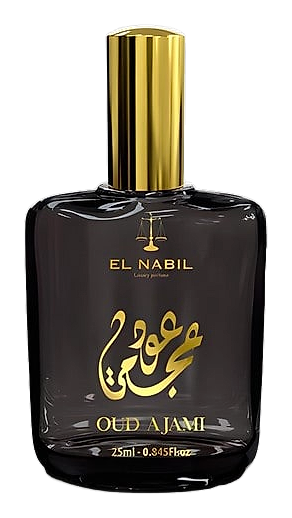
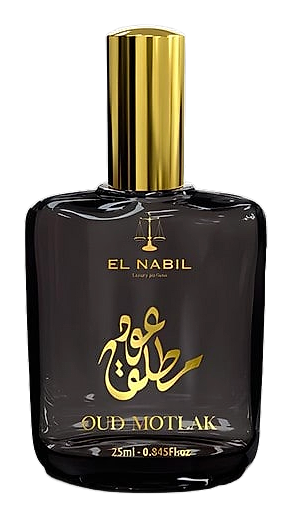
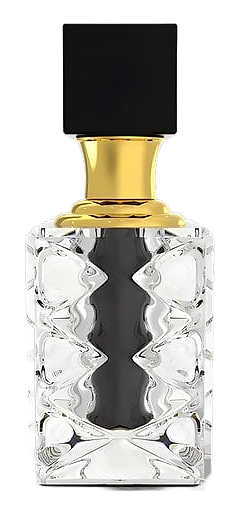
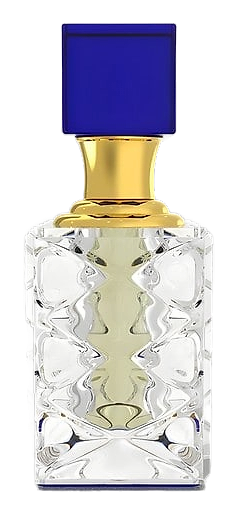
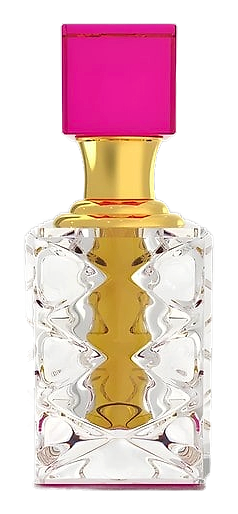
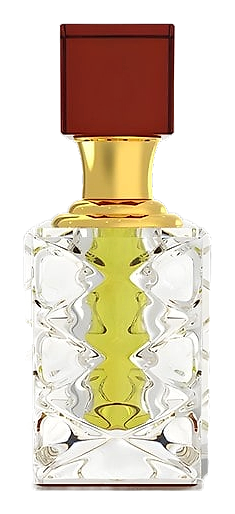
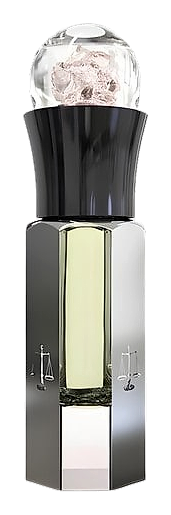
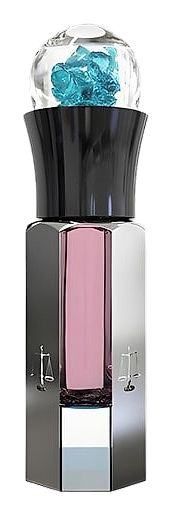
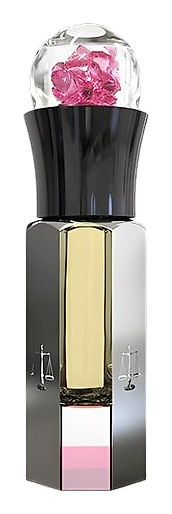
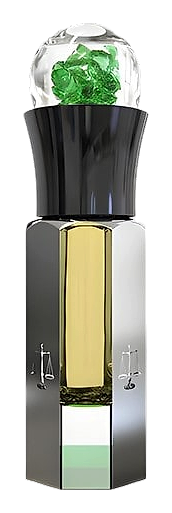
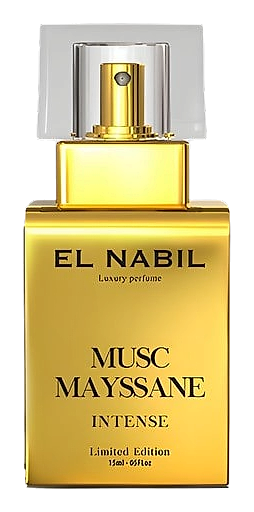
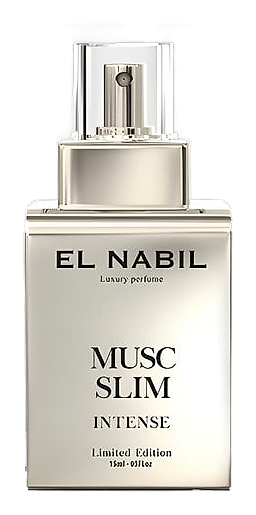
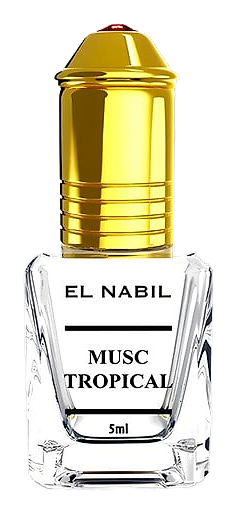
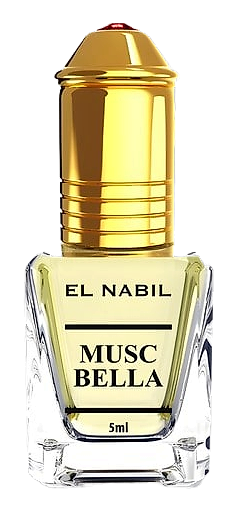
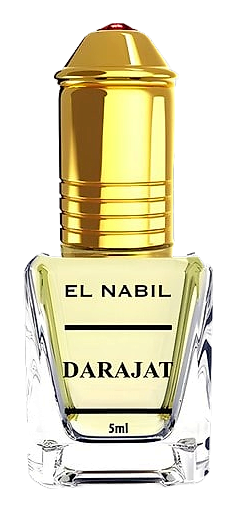
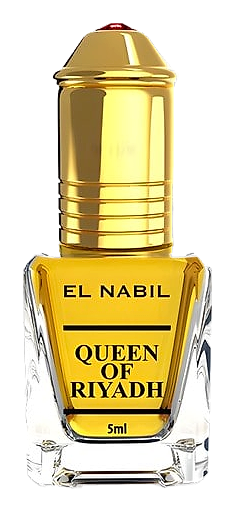
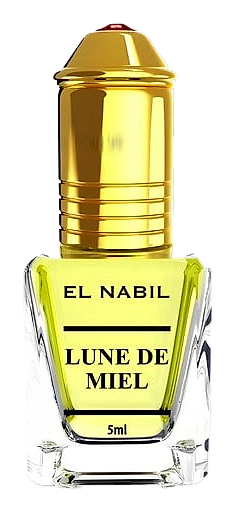
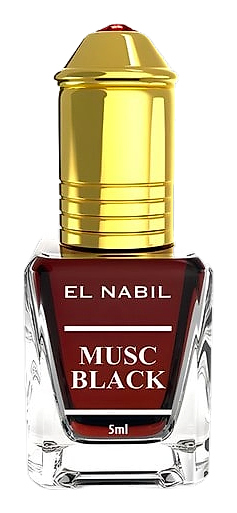
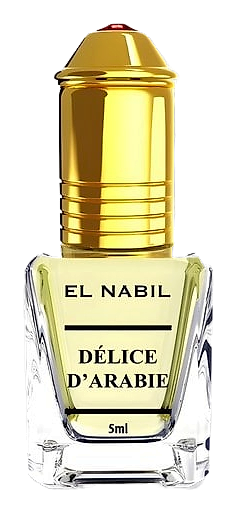
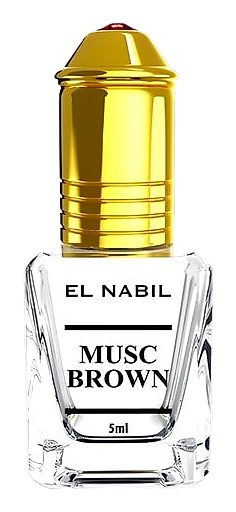
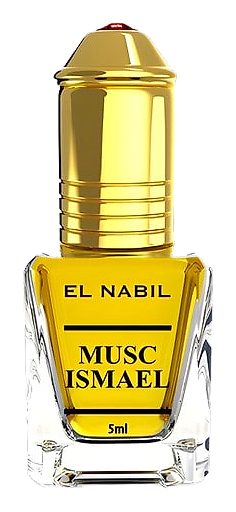
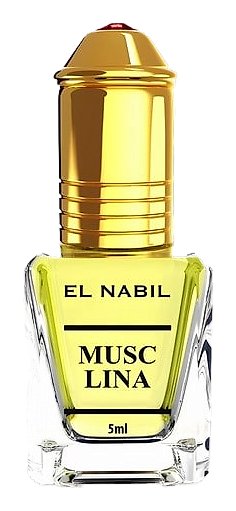
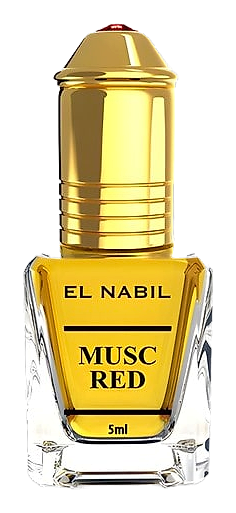
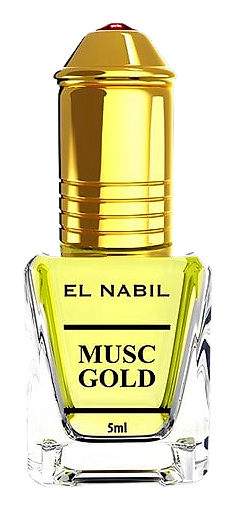
Visually, El Nabil adopts a minimalist silhouette that lets the fragrance speak for itself. Bottles are typically clear or amber‑tinted glass with clean lines, capped by brushed metal or gold‑finished lids that hint at the oriental inspiration without overwhelming the design. Labels feature a simple typographic treatment, often accompanied by a discreet Arabic script that references the scent’s heritage. The brand’s Instagram feed showcases these bottles against neutral backdrops, emphasizing texture and material over flashy graphics. Home fragrance packaging follows a similar language, using matte black or deep brown containers with subtle metallic accents. The overall image balances French elegance with Middle Eastern motifs, creating a visual identity that feels both modern and rooted in tradition. Marketing visuals avoid overt extravagance, instead opting for understated compositions that highlight the product’s form and the natural colors of its ingredients.
Philosophy
El Nabil frames scent as an everyday art form rather than a rare indulgence. The house states that the "art of scent" should be accessible, a view that guides its product development and pricing strategy. Creative direction leans on the idea that oriental notes—oud, amber, musk—can be presented in a way that feels contemporary, avoiding overly ornate compositions. The brand emphasizes authenticity, sourcing raw materials that trace back to their geographic origins, such as amber sourced from Yemen and musk derived from traditional Middle Eastern blends. Transparency in ingredient lists and a focus on long‑lasting performance underpin the brand’s commitment to consumer trust. Community feedback, gathered through social platforms and direct retailer communication, informs future releases, ensuring that new scents respond to evolving tastes while staying true to the house’s core olfactory language. Sustainability is addressed through selective sourcing and responsible packaging, though detailed certifications are not publicly disclosed. Overall, El Nabil’s philosophy rests on delivering high‑quality, orientally inspired fragrances that feel both approachable and refined.
Key Milestones
2011
El Nabil founded in France as a niche house focused on oriental fragrances.
2014
Brand expands distribution to the Netherlands and Belgium through Oosterse Parfums.
2019
Limited‑edition Crystal Wood released, showcasing a cedar‑sandalwood blend.
2020
Home fragrance line launched, adding scented candles and diffusers to the portfolio.
2022
Instagram account @elnabilofficial surpasses 200,000 followers, reflecting growing online community.
2023
Follower count reaches 284,000; brand continues to release new scents such as Sublime Oud.
At a Glance
Brand profile snapshot
Origin
France
Founded
2011
Heritage
15
Years active
Collection
1
Fragrances released
Avg Rating
5.0
Community sentiment
Release Rhythm


